2025 Vol. 41, No. 4

Guideline and Consensus
National expert consensus on the clinical diagnosis and treatment of high-voltage electrical burns in the limbs (2025 edition)
2025, 41(4): 301-315. doi: 10.3760/cma.j.cn501225-20250109-00017
Abstract:
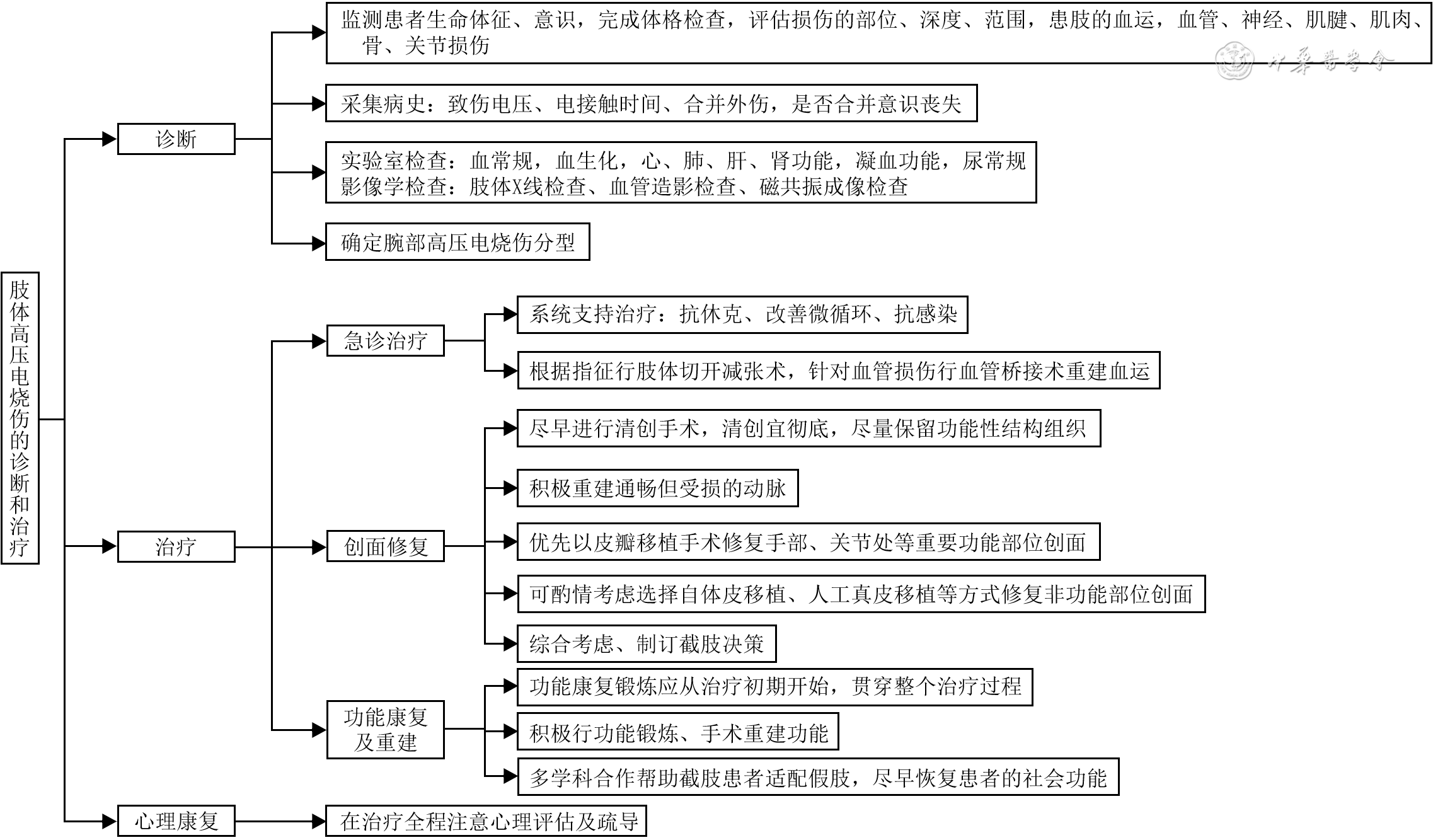
High-voltage electrical burns in the limbs are associated with high disability and amputation rates. Over the years, burn specialists have accumulated extensive experience in treating such injuries, but there is no universally accepted diagnosis and treatment protocol for high-voltage electrical burns in the limbs. To standardize the diagnosis and treatment of high-voltage electrical burns in the limbs and improve treatment levels, as well as to save limbs at risk of amputation and restore the appearance and function as much as possible, this consensus writing group developed the National expert consensus on the clinical diagnosis and treatment ofhigh-voltage electrical burns in the limbs (2025 edition) based on evidence from evidence-based medicine and guided by the Delphi method. The consensus covered aspects such as diagnosis, emergency non-surgical management, emergency surgical management, early debridement, early repair, amputation decisions, rehabilitation exercises and functional reconstruction, prosthetic wearing after amputation, and psychological therapy for the patients with high-voltage electrical burns in the limbs. This consensus aims to provide references for colleagues in the fields of burn and plastic surgery, wound repair surgery, and emergency medicine across the country in the diagnosis and treatment of high-voltage electrical burns in the limbs.
Expert Forum
Mechanism and clinical application of scar pressure therapy
Zhang Yixin, Chai Jun
2025, 41(4): 316-324. doi: 10.3760/cma.j.cn501225-20250215-00064
Abstract:
Through thousands of years of development, pressure therapy has become an important treatment method for hypertrophic scars and keloids. This article reviews the historical evolution of scar pressure therapy, analyzes its biological mechanisms and current clinical applications, and discusses the classification of pressure therapy methods and related principles. It has been demonstrated that pressure therapy can effectively improve the appearance and function of scars, with mechanisms involving the regulation of scar tissue morphology, cellular functions, immune responses, and extracellular matrix remodeling. Although the current therapy is diverse in approaches and is widely used, it still faces challenges including uneven pressure application, poor patient compliance, and inaccurate pressure monitoring. Future research should explore the multidimensional influencing factors of pressure therapy to explore more personalized and scientific scar treatment strategies.
Application of interventional tissue remodeling strategy in scar prevention and treatment
Liu Wei
2025, 41(4): 325-332. doi: 10.3760/cma.j.cn501225-20250102-00004
Abstract:
Effective scar prevention and treatment remain a clinical challenge in the field of surgery, while concept innovation and technological progress will be the key to making the breakthrough. Although tissue remodeling is an important part of wound healing process, natural healing often results in scar formation. The fundamental reason is that the natural tissue remodeling is not effective enough. The author proposes that the strategy of interventional tissue remodeling can be used for scar prevention and treatment. This strategy involves artificially interfering the wound healing process using various feasible means such as laser and microplasma therapy, drugs, bioactive molecules as well as tissue regenerative methods. Therefore, the natural wound healing process can be transformed towards the process of tissue regeneration to a certain extent. As a result, it is likely to achieve better tissue remodeling effect that is not possible by the natural remodeling process. Based on reported literature and the author's own clinical experience, this article reviews the feasible application areas of interventional tissue remodeling strategies in the field of scar prevention and treatment along with clinical evidence of case report, and hopes to draw attention from peer colleagues to this clinical challenge in order to establish such an effective strategy with further clinical validation by additional evidence.
Original Article·Treatment and Mechanism Research of Scar
Clinical efficacy of the Magpie-bridge Microskin Grafting in treating linear white scars
Tang Yuchen, Zhang Zheng, Zhang Yixin
2025, 41(4): 333-340. doi: 10.3760/cma.j.cn501225-20250213-00057
Abstract:
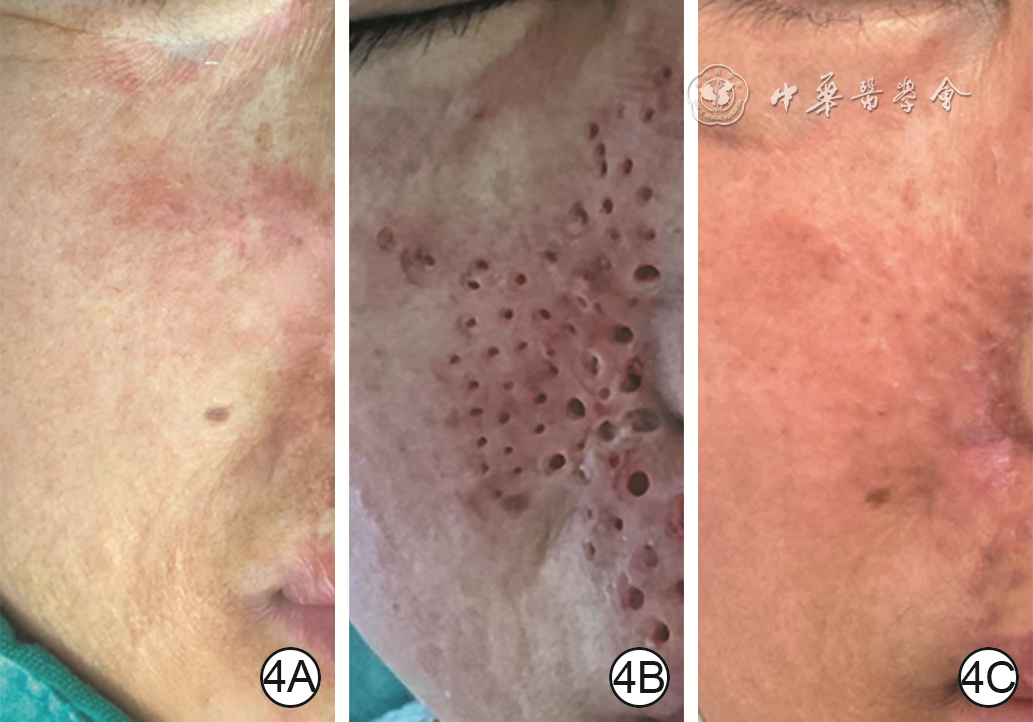
  Objective  To evaluate the clinical efficacy of the Magpie-bridge Microskin Grafting (hereinafter briefly referred to as Magpie-bridge surgery) in treating linear white scars (LWS).  Methods  This study was a retrospective cohort study. From October 2022 to December 2023, 37 LWS patients were treated with the Magpie-bridge surgery at the Department of Plastic and Reconstructive Surgery of Shanghai Ninth People's Hospital Affiliated to Shanghai Jiao Tong University School of Medicine, including 9 males and 28 females, aged 25 (17, 36) years. All scars were <2 mm in width and 1–10 cm in length before surgery. Magpie-bridge surgery procedure: an electric punch was used to excise scar tissue at intervals to form wounds and harvest microskin grafts of the same size and thickness as the removed scar tissue from behind the ear or axillary apex. The microskin grafts were implanted at the wound sites and fixed with tension-reducing adhesive tape. The donor area wounds were treated with routine dressing changes. Twelve months after the first surgery, the efficacy was evaluated based on the degree of reduction in scar white area compared with that before the first surgery, and the treatment effectiveness rate was calculated. Before the first surgery and 12 months after the first surgery, the melanin scores of the normal skin area surrounding the scar and the scar area were evaluated using a skin imaging analysis system, and the difference between the two was calculated. Six of the aforementioned patients requested a second Magpie-bridge surgery in pursuit of better therapeutic effects. The white scar tissue left untreated during the first surgery (hereinafter referred to as untreated scar tissue) and the tissue from the site at 12 months post scar removal and microskin transplantation (hereinafter referred to as the recipient skin tissue at 12 months after the first surgery) were collected. The tissue structure, melanin quantity and distribution were examined by using hematoxylin eosin staining and Masson-Fontana staining, and the activity of tyrosinase positive melanocytes was observed by using immunofluorescence staining.  Results  At 12 months after the first surgery, the results of efficacy evaluation showed that 24 cases were cured, 11 cases were improved, 1 case was ineffective, and 1 case was in a worsened condition, yielding a 94.6% (35/37) treatment effectiveness rate. The melanin score difference between the surrounding normal skin area of scar and the scar area was 0.45 (0.10, 1.65) at 12 months after the first surgery, which was significantly less than 2.50 (1.40, 5.96) before the first surgery (Z=-5.02, P<0.05). Six patients had untreated scar tissue with flat epidermis and a flat junction between dermis and epidermis; the collagen fiber bundles in the dermis were thick and unidirectionally parallel; no skin appendages such as hair follicles were observed; the basal layer of the epidermis showed deposition of melanin particles, but no extensive depigmentation was observed. Compared with those of untreated scar tissue, the epidermal thickness increased, and epidermal protrusions appeared at the junction of dermis and epidermis of the recipient skin tissue at 12 months after the first surgery; hair follicles and sebaceous glands were visible, and collagen fibers in the dermis were arranged vertically and horizontally in an orderly manner. Melanin particles were deposited in the basal layer of the epidermis, and the melanin content per unit area of tissue was increased. Tyrosinase-positive melanocytes in untreated scar tissue and in the recipient skin tissue at 12 months after the first surgery were mainly located at the basal layer of the epidermis, with normal cell activity and no significant difference.  Conclusions  The Magpie-bridge surgery can significantly improve the appearance of LWS in patients, with definite therapeutic effects and value for clinical promotion; the improvement of LWS appearance by Magpie-bridge surgery may be related to the increase of melanin content per unit area of tissue and the normalization of tissue structure.
Clinical effect of indocyanine green angiography-assisted design and harvest of expanded flaps for scar reconstruction
Hu Yanan, Xie Tingjun, Liu Yuanbo, Zhu Shan, Yang Zengjie, Tian Jia, Gan Cheng, Jiao Hu, Li Shanshan, Chen Zixiang, Zhou Lu, Han Bing, Jin Shengyang, Zeng Yan, Wang Miao, Zang Mengqing
2025, 41(4): 341-347. doi: 10.3760/cma.j.cn501225-20250108-00013
Abstract:
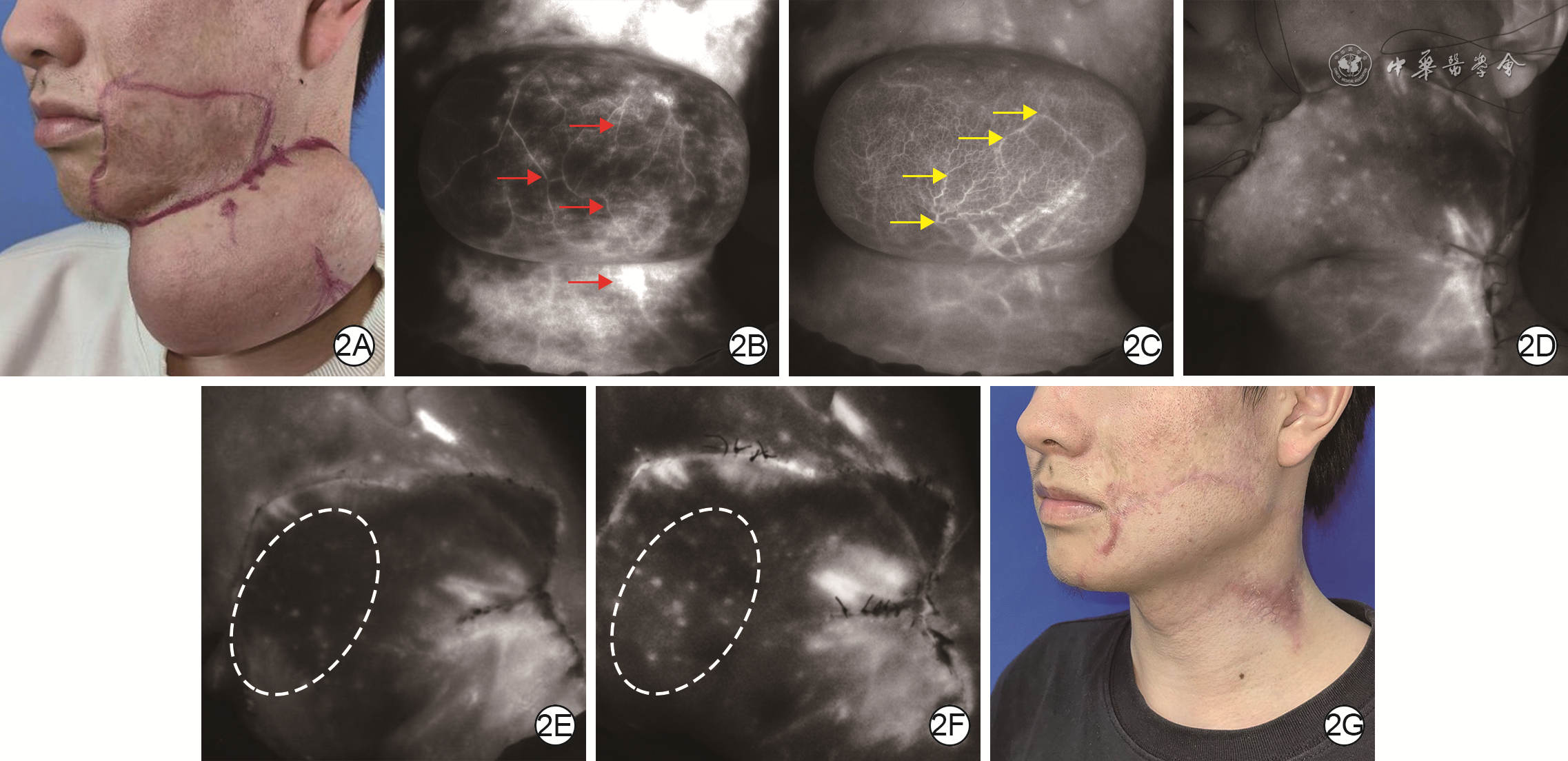
  Objective  To investigate the clinical effect of indocyanine green angiography (ICGA)-assisted design and harvest of expanded flaps for scar reconstruction.  Methods  This study was a retrospective observational study. From April 2019 to August 2023, 19 patients with scars (8 males, 11 females; aged 3-38 years) treated at the Plastic Surgery Hospital of Peking Union Medical College and Chinese Academy of Medical Sciences met the inclusion criteria. The scars were distributed on the head, face, trunk, and extremities. In stage Ⅰ surgery, skin soft tissue expanders were implanted in suitable areas around the scars for skin soft tissue expansion. In stage Ⅱ surgery, the scar tissue was excised, resulting in wound areas ranging from 100 to 210 cm2, and expanded flaps were designed. ICGA was used to identify target perforators and their accompanying veins, and the flap design was adjusted to ensure the inclusion of complete arterial and venous axes. The expanded flap with an area of 120 to 240 cm² was harvested using unilateral back-cut technique and transferred to the recipient site, and the donor site wound was sutured directly. The durations of the arterial and venous phases of ICGA during flap design were recorded. The length-to-width ratios of the back-cut flaps were calculated for different regions. After stage Ⅱ surgery, the blood perfusion and survival of the flap, the wound healing at the donor site, and the occurrence of complications were observed. During follow-up, the appearance, color, and texture of the patient's flap were observed.  Results  The arterial phase of ICGA lasted 10-27 (18±5) s, and the venous phase lasted 78-116 (100±10) s. The length-to-width ratios of the back-cut flaps were 1.22±0.32, 1.63±0.12, and 1.15±0.21 for the head and neck, trunk, and limb regions, respectively. After stage Ⅱ surgery, one patient had a large area of insufficient blood perfusion in the flap. By comparing ICGA images before and after flap transfer, the sutures at the oral commissure were loosened, the blood flow of the flap was restored. The blood perfusion of the flaps in other patients was good. All flaps survived completely, with well-healed donor site wounds and no complications. During 0.5-14.0 months of follow-up, all flaps of patients demonstrated excellent appearance, with color and texture matching the surrounding skin.  Conclusions  As a means of superficial blood flow visualization, ICGA can not only clearly show the microvascular distribution of the expanded flap before operation, assist in optimizing the design of the flap, but also evaluate the blood perfusion of the flap after operation, reduce the occurrence of complications, and provide a full-process navigation for the harvesting of expanded flaps, thereby improving the safety of flap transfer for scar reconstruction.
Effects of the expanded lateral thoracic artery perforator flap in the reconstruction of breast scar contracture deformity after burns in minor females
Liu Changling, Zhang Zhi, Li Gang, Huang Jun, Hu Yiping, Tang Wenbin, Sheng Congcong
2025, 41(4): 348-354. doi: 10.3760/cma.j.cn501225-20241230-00514
Abstract:
  Objective  To investigate the effects of the expanded lateral thoracic artery perforator flap in the reconstruction of breast scar contracture deformity after burns in minor females.  Methods  The study was a retrospective observational study. From July 2018 to October 2023, 8 female children aged 4 to 12 years and with breast scar contracture deformity after burns, who met the inclusion criteria, were admitted to the Department of Burns and Plastic Surgery of Guangzhou Red Cross Hospital of Jinan University. The skin and soft tissue expander (hereinafter referred to as expander) was placed in the first stage. The contracture scar was removed and released in the second stage, and the wound formed after the scar was removed measured between 9 cm×8 cm and 15 cm×10 cm. The expanded lateral thoracic artery perforator flap was designed and transferred to repair the wound with resected flap area of 10 cm×9 cm to 16 cm×11 cm, and the wound at the flap donor area was directly sutured. The complications such as incision infection, hematoma, and expander exposure were observed after stage Ⅰ surgery. After stage Ⅱ surgery, the survival of the flap and the wound healing at the flap donor area were observed. During the 1-year follow-up after the stage Ⅱ surgery, the breast development was evaluated according to tanner staging performance of female pubertal breast development, the aesthetic effect of the affected breast was evaluated by using the aesthetic effect evaluation standard after breast surgery, the Vancouver scar scale (VSS) was used to score the scar condition at the flap donor and recipient areas, and the satisfaction of the children's families with the surgical outcomes was investigated by using a self-made scale.  Results  After stage Ⅰ surgery, no incision infection, hematoma, expander exposure, or other complications occurred in 8 children. After stage Ⅱ surgery, only one child had tissue necrosis at the distal end of the flap with a size of about 2 cm×1 cm, which healed after dressing change, and the flap in other children had good blood supply, soft texture, moderate thickness, and similar color to the skin at the recipient area. The wounds at all flap donor areas healed well. During the 1-year follow-up after stage Ⅱ surgery, 7 children had normal breast development, with their breast volume, height, and shape being almost the same as or similar to the healthy side, with the aesthetic effect of all being grade Ⅰ; the breast in one child had not yet developed, and these indicators were not evaluated. The locations of nipple areola complex in 8 children were almost the same as or similar to those in the healthy side, and their skin color, integrity, texture, and elasticity of the partial breast repaired by the transferred flap were similar to those in the healthy side, with the aesthetic effect of all being grade Ⅰ. The shapes of nipple and areola in 5 children were inconsistent with those in the healthy side because of the original scar, with the aesthetic effect of all being grade Ⅱ, and the shapes of nipple and areola in the other 3 children were consistent with those in the healthy side, with the aesthetic effect of all being grade Ⅰ. The VSS score of the scar at the flap recipient area was 2-5, and the VSS score of the scar at the flap donor area was 1-3. Seven children's families were satisfied with the surgical effect, and one child's family was basically satisfied with the surgical effect.  Conclusions  For the breast scar contracture deformity of minor females after burns, the expanded lateral thoracic artery perforator flap is used for reconstruction before puberty, which results in fewer postoperative complications, good breast shape, and hidden scar at the flap donor area. It is beneficial for the normal development of adolescent breasts, and is one of the safe and effective methods for the treatment of breast scar contracture deformity in minor females after burns.
Influence and mechanisms of metformin on the proliferation and apoptosis of human keloid fibroblasts
Wu Menglu, Wang Rui, Zheng Xinnan, Wu Juan, He Lin, Diao Jiansheng, Shu Maoguo, Du Huicong
2025, 41(4): 355-363. doi: 10.3760/cma.j.cn501225-20241216-00489
Abstract:
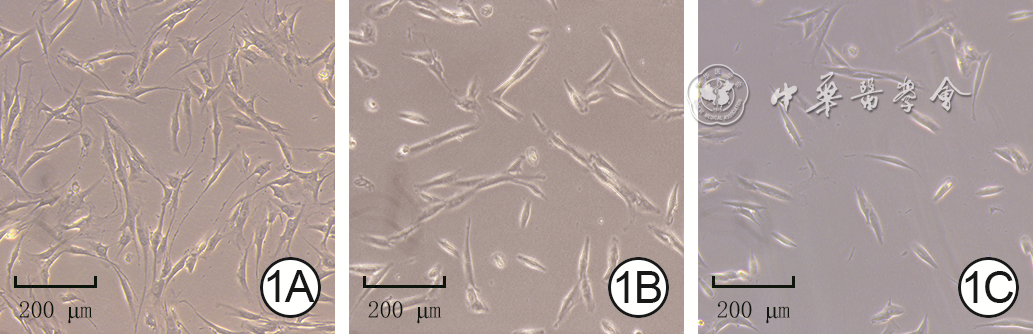
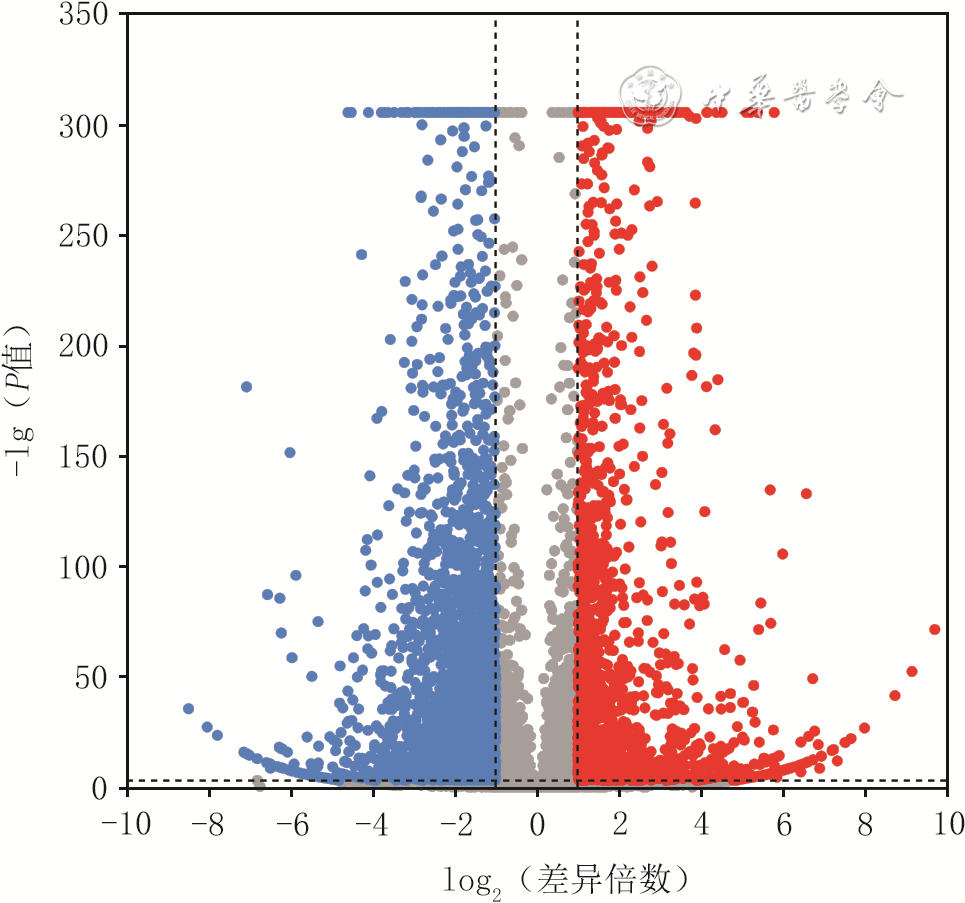
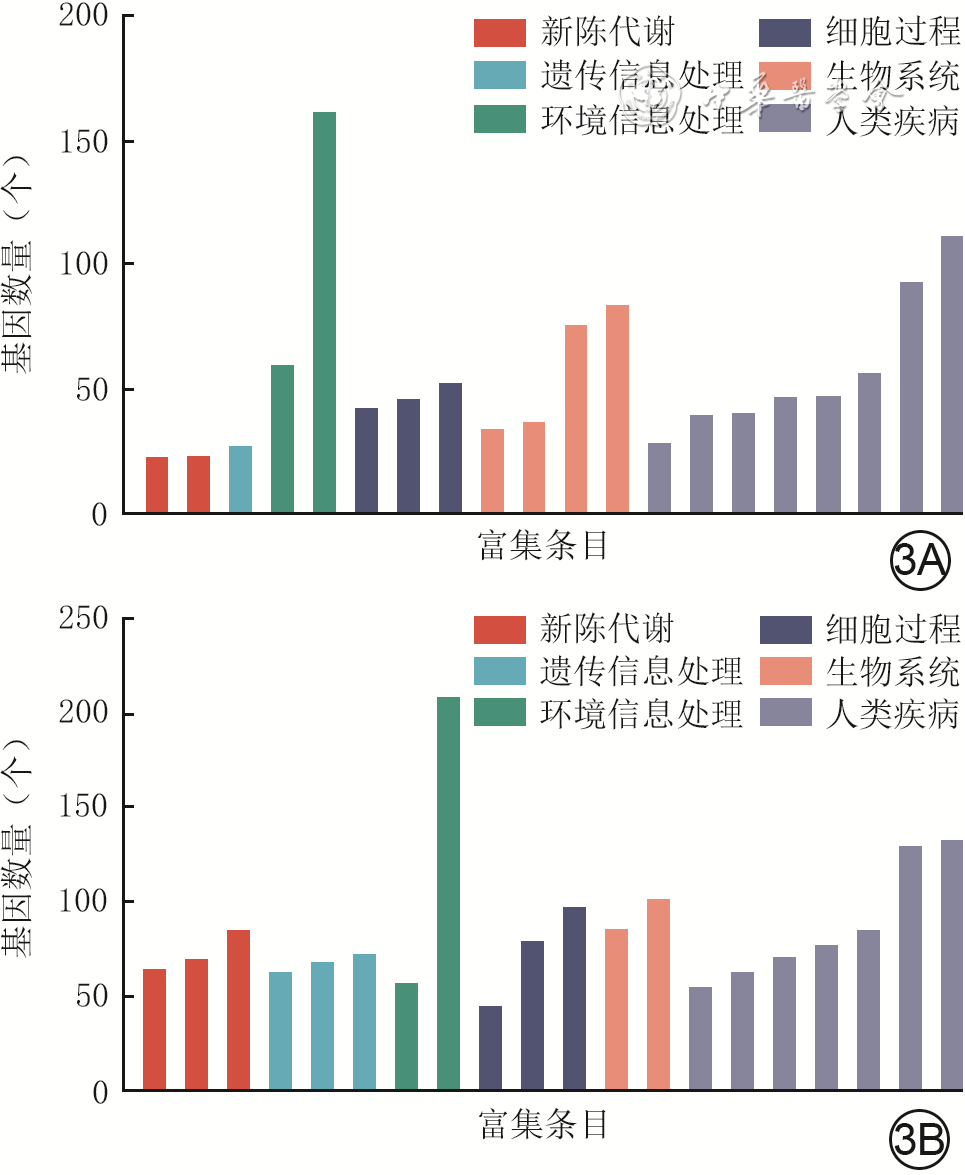
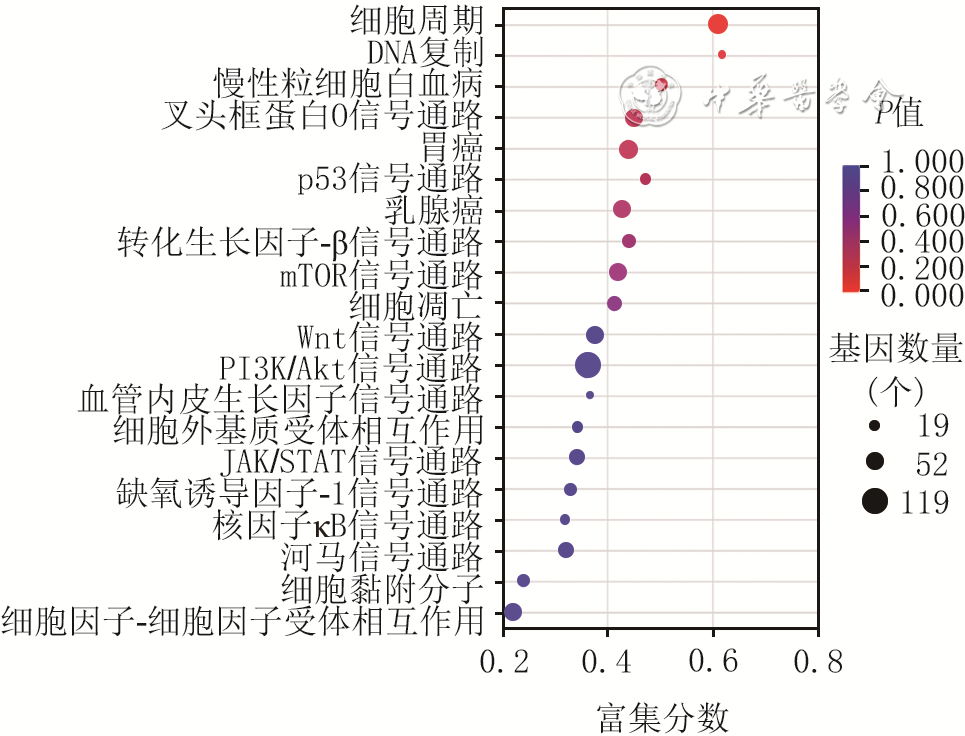
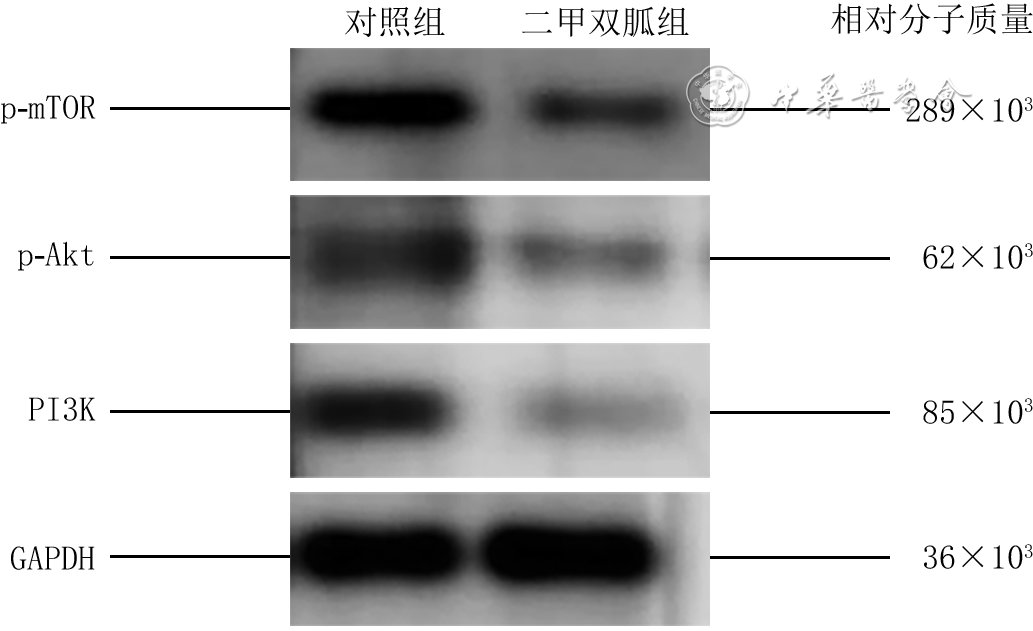
  Objective  To investigate the influence and mechanisms of metformin on the proliferation and apoptosis of human keloid fibroblasts (Fbs).  Methods  This study was an experimental research. The keloid tissue was collected from 7 keloid patients (2 males and 5 females, aged 20-65 years, with a disease course of more than 1 year) who underwent keloid excision surgery at the Department of Plastic, Cosmetic and Maxillofacial Surgery of the First Affiliated Hospital of Xi'an Jiaotong University from September 2020 to September 2023. The primary Fbs were isolated and cultured, and cells from passages 3 to 6 were used for experiments. The cells were divided into control group and metformin group, and were cultured in complete medium. The medium for metformin group was supplemented with metformin at a final molarity of 60 mmol/L. The cell counting kit-8 was used to assess the proliferation activity of cells in two groups after 12 and 24 hours of culture, and the proliferation inhibition rate of cells in metformin group after 12 and 24 hours of culture was calculated, with a sample size of 6. The apoptosis detection kit was used to detect the apoptotic distribution of cells in control group after 0 hour (immediately) of culture and in metformin group after 12 and 24 hours of culture, with a sample size of 3. The cell cycle detection kit was used to detect the cycle distribution of cells in two groups after 12 and 24 hours of culture, with a sample size of 3. The eukaryotic mRNA sequencing was performed on suitable number of cells of two groups after 24 hours of culture, and the Kyoto encyclopedia of genes and genomes functional annotation analysis and functional enrichment analysis were performed after screening for differentially expressed genes (DEGs) with significantly differential expression between two groups. Western blotting was conducted to detect the protein expressions of phosphatidylinositol 3-kinase (PI3K), phosphorylated protein kinase B (p-Akt), and phosphorylated mammalian target of rapamycin (p-mTOR) in the PI3K/protein kinase B (Akt)/mammalian target of rapamycin (mTOR) signaling pathway of cells in two groups after 24 hours of culture, with a sample size of 3.  Results  After 12 and 24 hours of culture, the proliferation activity of cells in metformin group was significantly lower than that in control group (with t values of 4.70 and 24.02, respectively, P<0.05); the proliferation activity of cells in metformin group after 24 hours of culture was significantly lower than that after 12 hours of culture within the group (t=4.73, P<0.05). Compared with that after 12 hours of culture within the group, the proliferation inhibition rate of cells in metformin group was significantly increased after 24 hours of culture (t=5.29, P<0.05). Compared with that in control group after 0 hour of culture, the proportion of early apoptotic cells in metformin group was significantly increased (with t values of 6.62 and 4.58, respectively, P<0.05), and the proportion of early and late apoptotic cells was significantly increased after 12 and 24 hours of culture (with t values of 4.84 and 3.75, respectively, P<0.05). After 24 hours of culture, the proportion of late apoptotic cells in metformin group was significantly higher than that after 12 hours of culture within the group (t=4.55, P<0.05). After 12 hours of culture, the proportion of S-phase cells in metformin group was significantly lower than that in control group (t=5.90, P<0.05). After 24 hours of culture, compared with that in control group, the proportion of G0/G1-phase cells in metformin group was significantly increased (t=5.36, P<0.05), while the proportion of G2/M-phase cells was significantly decreased (t=17.63, P<0.05). The proportion of S-phase cells in metformin group after 24 hours of culture was significantly higher than that after 12 hours of culture within the group (t=7.60, P<0.05). After 24 hours of culture, 4 814 DEGs with significantly differential expression were detected in the cells of metformin group compared with control group. The significantly upregulated and downregulated DEGs were mainly involved in biological functions related to signal transduction, cell growth and death, transport and catabolism, the endocrine system, the immune system, and cancer. The pathways that were significantly enriched with DEGs with significantly differential expression included the cell cycle and DNA replication, with the highest number of genes in the PI3K/Akt signaling pathway. After 24 hours of culture, the protein expressions of PI3K, p-Akt, and p-mTOR of cells in metformin group were 0.190±0.017, 0.170±0.017, and 0.247±0.005, respectively, which were significantly lower than 0.440±0.026, 0.300±0.060, and 0.547±0.025 in control group (with t values of 13.69, 3.61, and 20.12, respectively, P values all <0.05).  Conclusions  Metformin can significantly inhibit the proliferation of human keloid Fbs through the PI3K/Akt/mTOR signaling pathway and effectively induce its apoptotic process, thereby exerting antifibrotic effects.
Original Article
Efficacy of the fifth metatarsal perforator flap of the lateral plantar artery in repairing the wounds on the anterolateral side of the foot
Niu Xuetao, Zhao Juhui, He Xiao, Mu Huan, Yu Hong, Ma Xianjie, Zhao Dingxue, Zhang Xiaofeng
2025, 41(4): 364-369. doi: 10.3760/cma.j.cn501225-20240607-00217
Abstract:
  Objective  To explore the efficacy of the fifth metatarsal perforator flap of the lateral plantar artery in repairing the wounds on the anterolateral side of the foot.  Methods  This study was a retrospective observational study. Eight patients with skin and soft tissue defects on the anterolateral side of the foot and conformed to the inclusion criteria were admitted to the Department of Plastic Surgery of Hanzhong Central Hospital from July 2020 to July 2023. There were 6 males and 2 females, aged 22 to 72 years. Among the patients, there were three patients with electrical burns, four patients with trauma, and one patient with plantar wart. Preoperatively, a Doppler blood flow detector was used to clarify the number and location of the fifth metatarsal perforating vessels. The area of the wounds measured during the operation ranged from 4.0 cm×3.0 cm to 7.0 cm×5.0 cm, and the fifth metatarsal perforator flaps of the lateral plantar artery with area of 4.0 cm×4.0 cm to 9.0 cm×6.0 cm were designed and harvested to repair the wounds. The wounds in the flap donor sites were repaired with medium-thickness skin grafts from lower limb on the same side. The duration of surgery and intraoperative blood loss volume were recorded. The survivals of the transplanted flap and skin graft were observed after surgery. At the last follow-up, the appearance of the flap and the occurrence of complication were observed, the two-point discrimination distance of the flap was measured, and the shape of the flap donor site as well as the sensation and other functions of the affected foot were observed.  Results  The duration of surgery ranged from 70 to 100 min, with an average of 84.6 min. The intraoperative blood loss volume ranged from 30 to 80 mL, with an average of 53.5 mL. After surgery, all flaps survived completely; only one patient developed partial necrosis of the skin graft in the wound in flap donor site, and the wound healed completely after dressing change and re-grafting medium-thickness skin graft from lower limb on the same side. Postoperative follow-up was conducted for 6 to 24 months, with an average of 13.8 months. At the last follow-up, none of the patients developed bloated and deformed flaps or pressure ulcers, and the two-point discrimination distance of the flap ranged from 5 to 13 mm. No tendon adhesion or scar hyperplasia was observed in the flap donor sites, and the sensation, weight-bearing, and walking functions of the affected feet were normal.  Conclusions  The use of the fifth metatarsal perforator flap of the lateral plantar artery for repairing the wounds on the anterolateral side of the foot has the advantages of flexible flap design, minimal damage to the flap donor site, simple and feasible surgical operation, and good postoperative foot appearance and function, which is worthy of clinical application and promotion.
Effects of the lateral circumflex femoral artery chimeric perforator flap in repairing composite tissue defects in the ankle and foot area
Li Hai, Deng Chengliang, Xiao Shun'e, Wu Xiangkui, Wu Bihua, Wei Zairong
2025, 41(4): 370-377. doi: 10.3760/cma.j.cn501225-20240202-00045
Abstract:
  Objective  To investigate the effects of applying the lateral circumflex femoral artery chimeric perforator flap in repairing composite tissue defects in the ankle and foot area.  Methods  This study was a retrospective observational study. From January 2018 to December 2023, 12 patients with composite tissue defects in the ankle and foot area who met the inclusion criteria were admitted to the Department of Burns and Plastic Surgery of the Affiliated Hospital of Zunyi Medical University, including 9 males and 3 females, aged from 4 to 64 years. The causes of the injuries included traffic accident injuries in 7 cases, wringing injuries in 2 cases, crush injuries in 2 cases, and fall injury in 1 case. All patients had combined skin and soft tissue defects, with the defect areas ranging from 10.0 cm×5.0 cm to 22.0 cm×7.0 cm. Among them, 7 patients had ankle joint capsule defects sized from 3 cm×2 cm to 6 cm×5 cm; 3 patients had Achilles tendon defects ranged from 4 to 8 cm in length; 1 patient had an extensor hallucis longus tendon defect of 4 cm in length; 1 patient had an extensor digitorum longus tendon defect of 10 cm in length. All patients underwent repair of the composite tissue defects using the lateral circumflex femoral artery chimeric perforator flaps. Flaps with sizes ranging from 11.0 cm×5.5 cm to 24.0 cm×6.5 cm were used to repair skin and soft tissue defects, and fascia lata flaps with sizes ranging from 4.0 cm×2.5 cm to 17.0 cm×2.0 cm were used to repair joint capsule and tendon defects. The flap donor area wound was closed by suturing. Postoperatively, regular follow-up was conducted to observe the survival of the flaps after surgery, the repair of the defects, the healing of the incisions in the flap donor area, the occurrence of complications, the appearance and texture of the flaps, the scar formation in the surgical area, and the movement of the lower limb on the flap donor side. At the last follow-up, the American Orthopaedic Foot and Ankle Society scoring standard was used to evaluate the function of the ankle and foot.  Results  All patients were followed up for 2 to 38 months, with an average of 8.7 months. After surgery, all flaps survived, and all wounds in the recipient areas healed. In patients who underwent ankle joint capsule and tendon reconstruction, there was no swelling in the joints, and the joint movements were good without foot drop or toe drop deformities. All incisions in the flap donor areas were healed without any complication. The families of 2 children took their children back to the hospital for flap thinning at 3 and 4 months respectively after surgery because they felt that the flaps were bulky. The other patients were satisfied with the appearance and texture of the flaps. One child had obvious scar hyperplasia in the early stage, and the scar gradually faded after external application of anti-scar medications and pressure treatment. The scars of the other patients were not obvious. All patients had normal lower limb movements on the flap donor side. At the last follow-up, the functions of the ankle and foot were rated as excellent in 8 cases and good in 4 cases.  Conclusions  The lateral circumflex femoral artery chimeric perforator flap is flexible in design. It can repair the composite tissue defects in the skin and soft tissue, joint capsules, and tendons of the ankle and foot simultaneously. There are no obvious complications in the flap donor area. Most patients are satisfied with the appearance of the flap in the recipient area. The flap is soft in texture, and the functions of the ankle and foot are well restored.
Clinical effect of above-knee medial free-style perforator propeller flap in repairing deep wounds in and around the knee joint
Luo Yuming, Liu Mengdong, Yang Qiying, Gao Xiaowen, Zhu Liang, Li Jun
2025, 41(4): 378-385. doi: 10.3760/cma.j.cn501225-20240609-00220
Abstract:
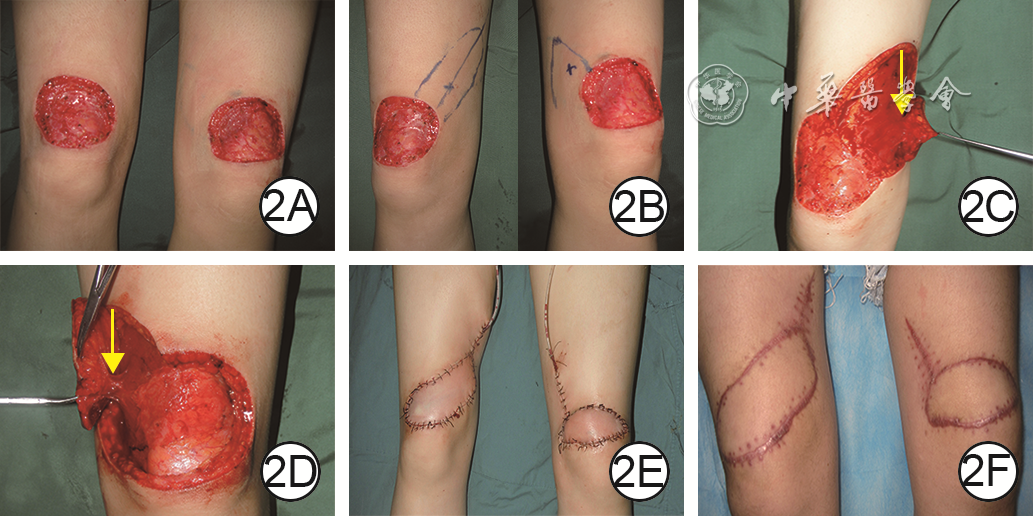
  Objective  To explore the clinical effect of applying above-knee medial free-style perforator propeller flap in repairing deep wounds in and around the knee joint.  Methods  This study was a retrospective observational study. From December 2020 to October 2023, the Department of Burns and Cutaneous Surgery of the First Affiliated Hospital of Air Force Medical University admitted 13 patients who met the inclusion criteria and had deep burn wounds in and around the knee joints, including 9 males and 4 females, aged 16-70 years. After debridement, the sizes of skin and soft tissue defects ranged from 5.0 cm×4.0 cm to 9.0 cm×7.0 cm. A free-style perforator propeller flap was designed and harvested from the medial supragenicular region, using a perforator vessel as the pedicle. The size of the flap ranged from 6.0 cm×4.0 cm to 15.0 cm×7.0 cm. The larger paddle of the flap was used to repair the wound in and around the knee joint, while the smaller paddle assisted in closing the donor site wound. After surgery, the survival status of the flap, wound healing at the donor and recipient sites, and complications such as infection, effusion, and necrosis were observed. During the follow-up, the appearance, color, and texture of the flap as well as the wound healing, scar contracture, and knee joint mobility at the recipient site were observed, and the scar condition, sensory recovery, and complications at the donor site were recorded.  Results  Postoperatively, all 13 patients achieved successful flap survival. In one case, infection occurred at the edge of the flap but healed after appropriate treatment including drainage and dressing changes, and the donor site wound healed well; the remaining 12 patients showed uneventful healing at both donor and recipient sites without complications. During follow-up of 5 to 24 months, all 13 patients exhibited natural appearance, normal skin color, soft texture, and good elasticity. The recipient site wounds healed well without scar contracture or deformity, with full range of motion in the knee joint. A mild linear scar remained at the donor site on the inner thigh, with normal sensory function and no numbness.  Conclusions  The above-knee medial free-style perforator propeller flap demonstrates simple harvest with minimal trauma for repairing deep wounds in and around the knee joint, providing satisfactory aesthetic and functional outcomes at both donor and recipient sites.
Efficacy of free medial sural artery perforator flap transplantation in repairing electrical burn wounds on hands and feet
Zhang Weidong, Zhang Wei, Yu Gang, Chen Lan, Gong Xiang, Xie Weiguo, Ru Tianfeng
2025, 41(4): 386-393. doi: 10.3760/cma.j.cn501225-20240611-00226
Abstract:
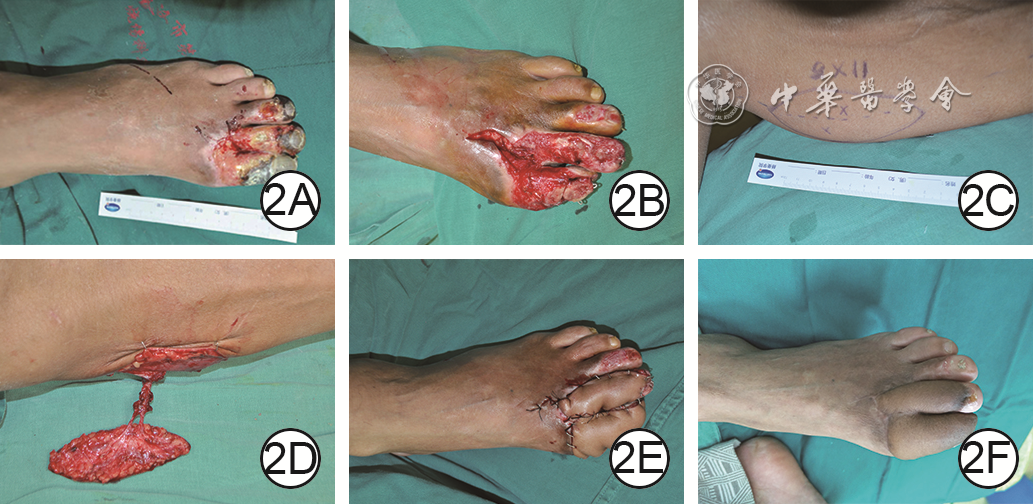
  Objective  To explore the efficacy of free medial sural artery perforator flap transplantation in repairing electrical burn wounds on hands and feet.  Methods  This study was a retrospective observational study. From November 2017 to September 2023, 21 male patients aged 28-51 years with electrical burns on hands and feet who met the inclusion criteria were admitted to Tongren Hospital of Wuhan University & Wuhan Third Hospital. There were 23 wounds, of which 14 were on the hand and 9 on the foot; 9 were associated with exposed tendon injury, 6 were associated with bone exposure or necrosis, and 8 were associated with joint injury. The wound area after debridement was 4.0 cm×2.5 cm-14.0 cm×10.0 cm. For 2 relatively wide wounds and 2 adjacent fingers/toes wounds, the lobulated flaps centered on 2 medial sural artery perforators were designed and incised for repair. For other wounds, medial sural artery perforator flaps were designed and incised. The flap area was 5.0 cm×3.0 cm-16.0 cm×11.0 cm. The arteriovenous vessels of flap were anastomosed end-to-end with the arteriovenous vessels of the recipient area; the cutaneous nerves of 10 flaps were anastomosed with the nerves in hand wound, and the sural nerve bundle was cut to repair one digital nerve defect. The donor site wound was closed with tension-relieving sutures. Postoperative flap survival and wound healing at donor site were recorded. During follow-up, subsequent flap revision was recorded, the texture and appearance of the flap, as well as the scarring and functional recovery of the donor area of the lower leg, were observed. At the last follow-up, the recovery of hand flap sensation was observed, the satisfaction of patients with the treatment effect of each operation was investigated by using Likert scale, the hand function of the affected hand in patients with hand wounds was evaluated by using the trial standards for evaluation of partial function of upper extremity by the Hand Surgery Society of Chinese Medical Association, and the weight-bearing walking ability of the affected foot in patients with foot wounds was evaluated by Holden walking ability grading.  Results  There was a slight necrosis at the distal end of one flap after surgery, which healed after dressing change. All 23 flaps survived. The sutures of the two donor areas were poorly healed due to high local tension, and the second sutures were performed after debridement and drainage, and the healing was good. The wounds of the remaining 21 donor sites healed well. Follow-up of 6-26 months after surgery showed that 3 flaps were slightly bloated, and the appearance was improved after flap reconstruction; the other flaps did not undergo subsequent revision. All flaps were soft and similar to the surrounding tissue morphology. Linear scar remained in the donor site of the lower leg, and walking function was normal. At the last follow-up, the protective sensation of the hand flap was restored; the patients were very satisfied with the results of 21 surgeries and were relatively satisfied with the results of 2 surgeries. Among the 14 patients with hand wounds, the affected hand function was rated as excellent in 10 cases, very good in 3 cases, and acceptable in one case, and the weight-bearing walking ability of the affected foot in 7 patients with foot wounds was all rated as grade Ⅴ.  Conclusions  The medial sural artery perforator flap has the advantages of reliable blood supply, appropriate thickness and smoothness, and can be lobulated or cut according to the shape of the wound. The flap demonstrates superior aesthetic and functional restoration in repairing electrical burn wounds on hands and feet, achieving high patient satisfaction with the surgical treatment effect.
Effects of simultaneous transplantation of multiple foot flaps in repairing defects of varying degrees on the palmar side of multiple fingers
Zhang Zhe, Li Muwei, Chen Zhiying, Huang Shaogeng, Liang Yong, Hu Wei, Wang Jianglong
2025, 41(4): 394-400. doi: 10.3760/cma.j.cn501225-20240514-00175
Abstract:
  Objective  To explore the effects of simultaneous transplantation of multiple foot flaps in repairing defects of varying degrees on the palmar side of multiple fingers.  Methods  This study was a retrospective observational study. From February 2020 to March 2023, 11 patients aged 23-52 years with defects on the palmar side of multiple fingers (with 38 affected fingers) meeting the inclusion criteria were hospitalized at Longgang Orthopedics Hospital of Shenzhen, including 8 males (with 31 affected fingers) and 3 females (with 7 affected fingers). All affected fingers sustained skin and soft tissue defects, along with exposed deep tissue such as finger bones and tendons, and 2 thumbs exhibited nail bed and distal phalanx defects. The defect area of each finger ranged from 1.5 cm×1.0 cm to 5.5 cm×3.0 cm. Foot flaps were designed based on the area and depth of the finger defects, and multiple foot flaps were transplanted simultaneously to repair the wounds of fingers. The area of single flap resected ranged from 2.0 cm×1.0 cm to 5.5 cm×3.0 cm. Donor site wounds were closed directly or covered using artificial dermis or split-thickness skin grafts. The number of resected flaps, the number of affected fingers repaired, and the surgical duration were recorded. The flap survival and foot donor site wound healing were observed postoperatively. The flap and donor and recipient sites recovery were observed during follow-up. At the final follow-up, the functional recovery of affected fingers was evaluated based on the trial criteria of the Chinese Medical Association's Hand Surgery Society for function evaluation of thumb and finger reconstruction, the sensory function of the flaps was assessed by the sensory function evaluation standard of the British Medical Research Council, the cold tolerance of the affected hands was evaluated with the Cold Intolerance Severity Scale, the scars at the recipient and donor sites were assessed using the Vancouver scar scale (VSS), and the function recovery of flap donor foot was evaluated with the Maryland Foot Score criteria.  Results  Donor sites were selected from 16 feet with 2-4 flaps harvested from each foot. Specifically, skin and soft tissue defects in 27 affected fingers were repaired using free lateral toe flaps, skin and soft tissue defects in 9 affected fingers were repaired using free medial foot flaps, and skin and soft tissue defects with finger bone defects in 2 affected fingers were repaired using free toenail osteocutaneous flaps. The surgical duration ranged from 5.60 to 9.25 hours. Postoperatively, all transplanted flaps in affected fingers survived, and all foot donor site wounds healed. Follow-up for 12-25 months showed that the appearance, color, and texture of the flaps were similar to the surrounding normal skin. The affected finger pulp was full with the fingertip having restored pain and touch sensation. There was no pain in the donor site of foot, and the walking ability of patients was not affected. At the final follow-up, the functional recovery was evaluated as excellent for 36 affected fingers and good for 2 affected fingers. The sensory function rating of the flaps was graded as S3-S4, and all affected fingers were mild intolerant to cold. VSS scores of the scars at the recipient sites ranged from 1-3, and VSS scores of the scars at the donor sites ranged from 1-5. The functional recovery of all flap donor feet was excellent.  Conclusions  Simultaneous transplantation of multiple foot flaps is an effective treatment method for repairing defects of varying degrees on the palmar side of multiple fingers, resulting in excellent aesthetic and functional recovery of the affected fingers while causing minimal damage to the donor site.