- Medline/PubMed数据库
- Scopus数据库
- PMC数据库
- CSCD
- 北大核心收录期刊
- 统计源期刊
- 我国高质量科技期刊T1级
- 第6届中国精品科技期刊
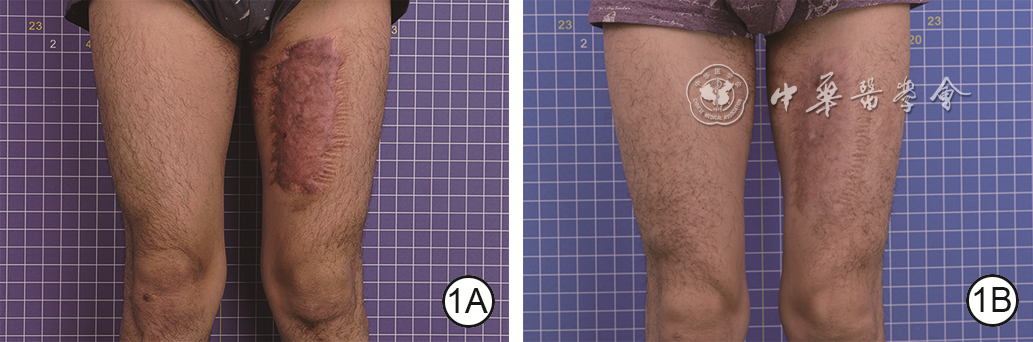
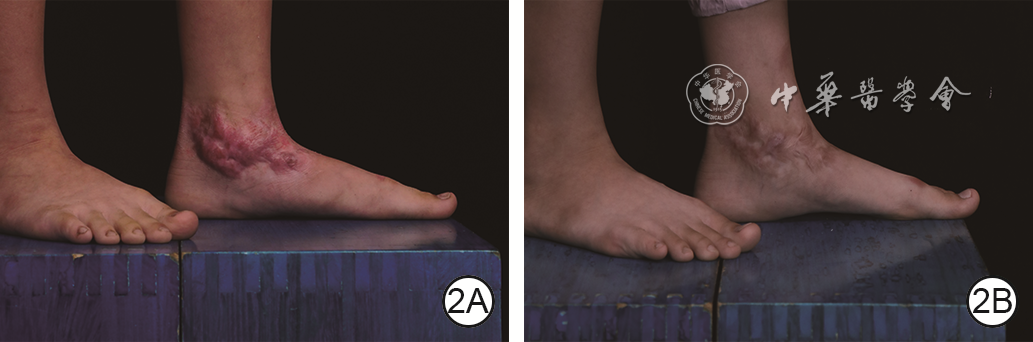
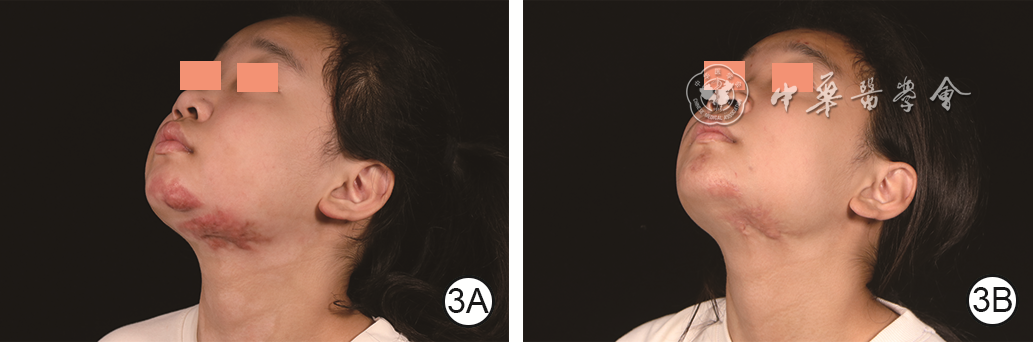
| Citation: | Zeng Y,Wang C,Lin HY,et al.Clinical efficacy of pressure therapy combined with narrow-band intense pulsed light for hypertrophic scars[J].Chin J Burns Wounds,2026,42(4):324-331.DOI: 10.3760/cma.j.cn501225-20251211-00518.

|

| [1] |
Fernández-GuarinoM, BacciS, Pérez González LA, et al. The role of physical therapies in wound healing and assisted scarring[J]. Int J Mol Sci, 2023,24(8):7487.DOI: 10.3390/ijms24087487.
|
| [2] |
朱孟锦,甘孟杰,陈傲,等.增生性瘢痕体内外模型研究进展[J]. 中国皮肤性病学杂志,2024,38(2):231-236. DOI: 10.13735/j.cjdv.1001-7089.202208100.
|
| [3] |
黎亦琪,谭军. 增生性瘢痕发生机制及治疗的研究进展[J]. 长春中医药大学学报,2023,39(5):582-585. DOI: 10.13463/j.cnki.cczyy.2023.05.025.
|
| [4] |
BharadiaSK, BurnettL, GabrielV. Hypertrophic scar[J]. Phys Med Rehabil Clin N Am, 2023,34(4):783-798. DOI: 10.1016/j.pmr.2023.05.002.
|
| [5] |
MeretskyCR, PolychronisA, SchiumaAT. A comparative analysis of the advances in scar reduction: techniques, technologies, and efficacy in plastic surgery[J]. Cureus, 2024,16(8):e66806. DOI: 10.7759/cureus.66806.
|
| [6] |
宋春红,黎景波,蓝蔚,等. 压力治疗对大面积烧伤继发增生性瘢痕患者血流动力学的影响及其机制[J]. 中华烧伤与创面修复杂志,2022,38(12):1126-1132. DOI: 10.3760/cma.j.cn501225-20220616-00235.
|
| [7] |
甘泉,张曼曼,王贝贝. 曲安奈德与A型肉毒毒素联合治疗对增生性瘢痕患者的疗效观察[J]. 中国医疗美容,2025,15(2):26-29. DOI: 10.19593/j.issn.2095-0721.2025.02.008.
|
| [8] |
黄仲路,胡鹏,梁彦,等. 增生性瘢痕注射治疗所用药物或生物相关制剂的研究[J]. 中国美容整形外科杂志,2023,34(11):680-682,后插4. DOI: 10.3969/j.issn.1673-7040.2023.11.010.
|
| [9] |
陶瑞,谭植襄,李思成,等. 外泌体在增生性瘢痕和瘢痕疙瘩治疗中的研究进展[J]. 临床外科杂志,2022,30(12):1196-1199. DOI: 10.3969/j.issn.1005-6483.2022.12.028.
|
| [10] |
张逸秋,董继英,王棽,等. 窄谱强脉冲光联合点阵二氧化碳激光治疗增生性瘢痕瘙痒的临床效果[J]. 中华烧伤杂志,2018,34(9):608-614.DOI: 10.3760/cma.j.issn.1009-2587.2018.09.010.
|
| [11] |
ChanLKW, LeeKWA, HungLC, et al. Treating hypertrophic scar, post-inflammatory hyperpigmentation, and post-inflammatory hypopigmentation with intense pulsed light[J]. Skin Res Technol, 2024,30(6):e13823. DOI: 10.1111/srt.13823.
|
| [12] |
SalemSAM, Abdel HameedSM, MostafaAE. Intense pulsed light versus cryotherapy in the treatment of hypertrophic scars: a clinical and histopathological study[J]. J Cosmet Dermatol, 2021,20(9):2775-2784. DOI: 10.1111/jocd.13971.
|
| [13] |
OosterhoffTCH, BeekmanVK, van der ListJP, et al. Laser treatment of specific scar characteristics in hypertrophic scars and keloid: a systematic review[J]. J Plast Reconstr Aesthet Surg, 2021,74(1):48-64. DOI: 10.1016/j.bjps.2020.08.108.
|
| [14] |
谢剑,唐杰,胡婷. 3D打印压力疗法在增生性瘢痕患者的应用效果[J]. 中国医疗美容,2025,15(3):42-45. DOI: 10.19593/j.issn.2095-0721.2025.03.012.
|
| [15] |
曹鹏,王运帷,姚明,等. 压力对增生性瘢痕形成及TGF-β1/Smad信号通路的影响[J]. 中华整形外科杂志,2022,38(7):804-813. DOI: 10.3760/cma.j.cn114453-20220215-00038.
|
| [16] |
BernabeRM, WonP, LinJ, et al. Combining scar-modulating agents for the treatment of hypertrophic scars and keloids: a systematic review[J]. J Plast Reconstr Aesthet Surg, 2024,88:125-140. DOI: 10.1016/j.bjps.2023.10.065.
|
| [17] |
DaiQ, ChengL, WangC. The effectiveness of early treatment with intense pulsed light combined with fractional Erbium laser in preventing post-traumatic hypertrophic scar formation[J]. J Craniofac Surg, 2025,36(3):e342-e345. DOI: 10.1097/SCS.0000000000010972.
|
| [18] |
DahmS, LeeG, ClelandH, et al. The use of carbon dioxide and intense pulsed light laser for the treatment of hypertrophic burn scars: a case series[J]. Scars Burn Heal, 2023,9:20595131231202103. DOI: 10.1177/20595131231202103.
|
| [19] |
ZhangY, YeR, DongJ, et al. Efficacy and safety of ablative CO2 fractional laser and narrowband intense pulsed light for the treatment of hypertrophic scars: a prospective, randomized controlled trial[J]. J Dermatolog Treat, 2023,34(1):2202287. DOI: 10.1080/09546634.2023.2202287.
|
| [20] |
LeszczynskiR, da SilvaCA, PintoACPN, et al. Laser therapy for treating hypertrophic and keloid scars[J]. Cochrane Database Syst Rev, 2022,9:CD011642. DOI: 10.1002/14651858.CD011642.pub2.
|
| [21] |
陈媛,刘建,李孝建. DPL在防治儿童烧伤后早期增生性瘢痕中应用的研究进展[J]. 组织工程与重建外科杂志,2021,17(6):497-502. DOI: 10.3969/j.issn.1673-0364.2021.06.010.
|
| [22] |
许一迪,蒋邦红,陈宇,等. 强脉冲光照射与弹力绷带压力治疗防治增生性瘢痕的疗效观察[J]. 中国美容整形外科杂志,2021,32(10):584-585,605. DOI: 10.3969/j.issn.1673-7040.2021.10.003.
|
| [23] |
曾颖,许佳,金蓉. 压力治疗联合点阵CO2激光治疗增生性瘢痕的疗效观察[J]. 组织工程与重建外科杂志,2021,17(2):122-124. DOI: 10.3969/j.issn.1673-0364.2021.02.007.
|
| [24] |
中国整形美容协会瘢痕医学分会. 瘢痕早期治疗全国专家共识(2020版)[J]. 中华烧伤杂志,2021,37(2):113-125. DOI: 10.3760/cma.j.cn501120-20200609-00300.
|
| [25] |
《窄谱强脉冲光临床应用专家共识(2024版)》编写组. 窄谱强脉冲光临床应用专家共识(2024版)[J]. 中华烧伤与创面修复杂志,2024,40(1):19-25. DOI: 10.3760/cma.j.cn501225-20230918-00085.
|
| [26] |
许佳,韩冬,苏薇洁,等. 基于体表压力传感器监测的压力疗法对增生性瘢痕的疗效观察[J]. 组织工程与重建外科杂志,2023,19(3):229-235. DOI: 10.3969/j.issn.1673-0364.2023.03.003.
|
| [27] |
AiJW, LiuJT, PeiSD, et al. The effectiveness of pressure therapy (15-25 mmHg) for hypertrophic burn scars: a systematic review and meta-analysis[J]. Sci Rep, 2017,7:40185. DOI: 10.1038/srep40185.
|
| [28] |
NedelecB, De OliveiraA, CalvaV, et al. Longitudinal evaluation of pressure applied by custom fabricated garments worn by adult burn survivors[J]. J Burn Care Res, 2020,41(2):254-262. DOI: 10.1093/jbcr/irz154.
|
| [29] |
WisemanJ, WareRS, SimonsM, et al. Effectiveness of topical silicone gel and pressure garment therapy for burn scar prevention and management in children: a randomized controlled trial[J]. Clin Rehabil, 2020,34(1):120-131. DOI: 10.1177/0269215519877516.
|
| [30] |
许佳,樊佳俊,韩冬,等. 增生性瘢痕压力治疗的研究进展[J]. 组织工程与重建外科杂志,2022,18(2):176-178. DOI: 10.3969/j.issn.1673-0364.2022.02.020.
|
| [31] |
XuJ, XueY, XuW, et al. Flexible pressure sensors for optimizing pressure garment therapy in periarticular scar treatment: preclinical and clinical applications[J]. Adv Wound Care (New Rochelle), 2026,15(4):195-207.DOI: 10.1089/wound.2024.0139.
|
| [32] |
高振,武晓莉,李青峰. 瘢痕治疗现状与进展[J]. 临床外科杂志,2020,28(12):1106-1109. DOI: 10.3969/j.issn.1005-6483.2020.12.003.
|
| [33] |
AtiyehBS, Khatib AMEI, DiboSA. Pressure garment therapy (PGT) of burn scars: evidence-based efficacy[J]. Ann Burns Fire Disasters, 2013,26(4):205-212.
|
| [34] |
ZhaoD, XuJ, LiX, et al. Application of 3D-printed rehabilitation aids for hypertrophic scars[J]. Chin J Plast Reconstr Surg,2025,7(1):49-55. DOI: 10.1016/j.cjprs.2024.12.005.
|
| [35] |
卜平元,阳萍,李曦,等. 3D打印压力疗法应用于增生性瘢痕患者的康复效果[J]. 护理学杂志,2022,37(16):19-21. DOI: 10.3870/j.issn.1001-4152.2022.16.019.
|
| [36] |
程静,杨丽,李娜,等. 不同能量密度脉冲染料激光治疗增生性瘢痕的效果比较[J]. 中华整形外科杂志,2021,37(6):599-605. DOI: 10.3760/cma.j.cn114453-20200713-00416.
|
| [37] |
刘振楠,周粤闽. 脉冲染料激光在创伤后瘢痕早期治疗中的应用研究进展[J]. 中华烧伤杂志,2021,37(7):688-691. DOI: 10.3760/cma.j.cn501120-20200315-00164.
|
| [38] |
ThanhLTV, QuanTS, AnhLV, et al. The efficacy of intense pulsed light in the treatment of keloids and hypertrophic scars[J]. J Lasers Med Sci, 2023,14:e13. DOI: 10.34172/jlms.2023.13.
|
| [39] |
TéotL, MustoeTA, MiddelkoopE, et al. Textbook on scar management: state of the art management and emerging technologies[M]. Cham (CH): Springer, 2020. DOI: 10.1007/978-3-030-44766-3.
|
| [40] |
FuX, DongJ, WangS, et al. Advances in the treatment of traumatic scars with laser, intense pulsed light, radiofrequency, and ultrasound[J/OL]. Burns Trauma, 2019,7:1[2025-12-11]. https://pubmed.ncbi.nlm.nih.gov/30723753/. DOI: 10.1186/s41038-018-0141-0.
|
| [41] |
杨德勇,董东,何小亮,等. 窄谱强脉冲光+点阵CO2激光治疗增生性瘢痕临床效果及预后分析[J]. 中外医学研究,2021,19(11):73-75. DOI: 10.14033/j.cnki.cfmr.2021.11.027.
|
Figures(4) / Tables(3)
Copyright © Chinese Journal of Burns京ICP备07035254号-14
E-mail:shaoshangzazhi@163.com
Supported by:
Beijing Renhe Information Technology Co. Ltd



 DownLoad: