Current Issue

2026 Vol. 42, No. 4

Expert Forum
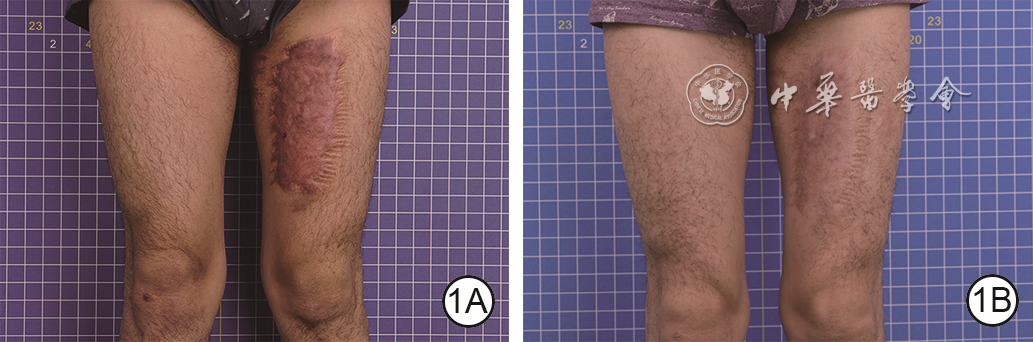
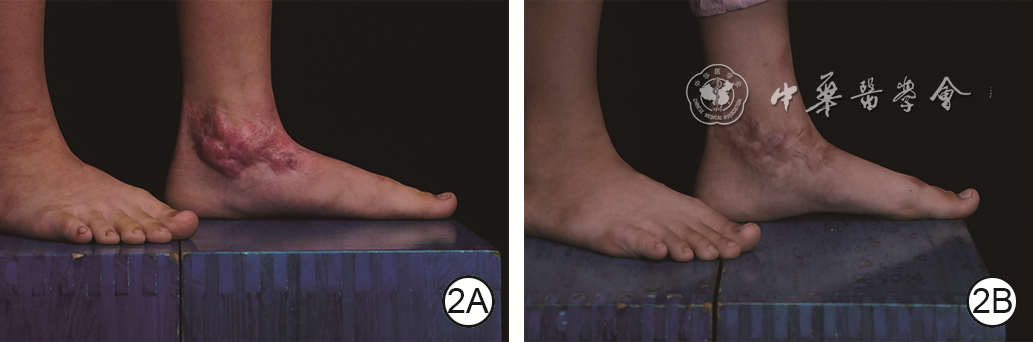
Discussion on the timing and approaches of the post-burn scar revision surgery
Xia Chengde, Gong Chen
2026, 42(4): 303-309. doi: 10.3760/cma.j.cn501225-20260108-00014
Abstract:
The formation of scars after burns often leads to tissue contracture, functional impairment, and aesthetic defects, significantly affecting patients' quality of life and mental health. With the advancement of electrooptical technology and rehabilitation concepts, non-surgical treatments have become an important approach in scar prevention and management. However, not all patients can receive optimal treatment during the early stage of scarring, and surgical intervention remains a more direct and effective approach for scar contractures that significantly limit joint movement or for scars located in exposed areas. Based on the clinical experience of our team and the latest research advancements, this article elucidates the pathophysiological mechanisms of scars, the indications and timing for the post-burn scar revision surgery, the characteristics of various surgical approaches, as well as the future development directions, with the aim to provide a reference for clinical decision-making in post-burn scar revision surgery, promote the optimization and dissemination of related techniques, and facilitate comprehensive improvement in function and appearance of patients.
Clinical strategies for scar laser therapy
Yao Min, Yan Min
2026, 42(4): 310-315. doi: 10.3760/cma.j.cn501225-20251120-00479
Abstract:
The formation and evolution of scars is a complex process involving multiple stages, including inflammation, angiogenesis, and collagen deposition, which exerts long-term impacts on patients' appearance, function, and mental health. Although fractional lasers, vascular-targeted lasers, and intensive pulsed light have been widely utilized in scar management, a standardized clinical strategy remains to be established. Based on over a decade of clinical experience of our team, this paper reviews the developmental history and fundamental mechanisms of scar laser therapy. It proposes a core clinical strategy centered on "early erythema reduction, regular intervention, dynamic evaluation, safe and effective parameter setting, and combined or sequential therapy" to provide a reference for clinical practice. Furthermore, the paper discusses future perspectives in scar laser therapy.
Original Article·Scar Treatment
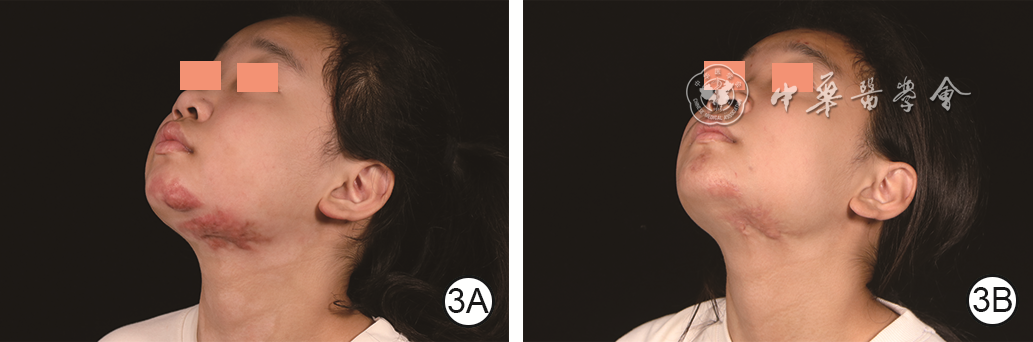
Clinical effects of expanded superficial temporal artery double-pedicled flaps in reconstructing scar contracture deformities after burns in the mid and lower face
Xia Chengde, Xue Jidong, Di Haiping, Xing Peipeng, Guo Haina, Zhao Xiaokai, Xie Jiangfan, Han Dawei, Wang Yingqiu
2026, 42(4): 316-323. doi: 10.3760/cma.j.cn501225-20260103-00001
Abstract:
  Objective  To explore the clinical effects of using expanded superficial temporal artery double-pedicled flaps in reconstructing scar contracture deformities after burns in the mid and lower face.  Methods  This study was a retrospective investigation of case series. From January 2020 to January 2025, 20 male patients with scar contracture deformities after burns in the mid and lower face who met the inclusion criteria were admitted to Zhengzhou First People's Hospital, aged 15 to 56 years, with a disease course of 1 to 10 years. Among them, 16 patients had scar contractures of the upper and lower lips accompanied by microstomia and eversion of the lips, with a mouth opening degree of 2.0 to 2.5 cm. The use of expanded superficial temporal artery double-pedicled flap to reconstruct the scar contracture deformity was performed in three stages. In stage Ⅰ, a cylindrical skin soft tissue expander (hereinafter referred to as expander) with a rated capacity of 500 to 900 mL was placed on the top of the head. If necessary, another cylindrical expander with a rated capacity of 100 to 200 mL was placed on one or both sides of the temporal region. After surgery, regular water injections were performed to dilate the expander to achieve a final water injection volume of 2 to 3 times the rated capacity of the expander. Five to 6 months after stage Ⅰ surgery, stage Ⅱ surgery was performed. An expanded flap (with an area of 35 cm×11 cm to 54 cm×19 cm) pedicled with bilateral superficial temporal artery top or frontal branches was used to repair the wound formed after scar removal and contracture release. For scar contractures that simultaneously affected both upper and lower lips, a transverse incision of about 6 cm in length was made at the position of the flap corresponding to the normal oral fissure, forming a new oral fissure and restoring the normal position of the mouth corner. The width of the flap used as the upper lip was adjusted to 2.5 to 3.0 cm. The donor site wound was directly sutured, and for those with incomplete closure, scar skin patches were used for temporary coverage. Three to 4 weeks after stage Ⅱ surgery, stage Ⅲ surgery was performed, including flap pedicle division and pedicle repair and reset, etc. The expansion of the flap, the survival of the flap and the occurrence of complications after stage Ⅱ surgery, and the thinning of the flap in the later period were recorded. During follow-up, the degree of improvement in the appearance and function of the mid and lower face was evaluated, the appearance and texture of the flap, and the formation of scars in the donor area were observed. Twelve months after stage Ⅲ surgery, the mouth opening degree of 16 patients with microstomia was measured, and the visual analogue scale was used to evaluate the satisfaction of all patients with the improvement of appearance and function of face.  Results  All 20 patients underwent flap expansion successfully. In the early period post stage Ⅱ surgery, three patients experienced venous reflux obstruction and mild congestion in the flaps, which resolved spontaneously after one week; the flaps of the remaining patients survived well. Five patients underwent thinning surgery three months after stage Ⅲ surgery due to slightly thickened flaps. Follow up for 12 to 24 months after stage Ⅲ surgery showed significant improvement in the appearance of the mid and lower face in all patients, as well as significant improvement in oral opening and closing, chewing, and language function; the color and texture of the flaps were similar to those of the surrounding skin tissue in the recipient area, and linear scars were left in the donor area located at the hairline. Twelve months after stage Ⅲ surgery, the mouth opening degree of 16 patients with microstomia increased to 3.5 to 4.0 cm; the satisfaction scores for facial appearance improvement were 8-10 in 18 cases and 6-7 in 2 cases, while the satisfaction scores for facial function improvement were 9-10 in 19 cases and 7-8 in 1 case.  Conclusions  The expanded superficial temporal artery double-pedicled flap has reliable blood supply, a large cutting area, and a long transfer distance. This flap causes minimal damage to the donor area with good concealment when applied in reconstructing mid and lower facial scar contracture deformities after burns. It can effectively improve facial appearance and function and is worthy of clinical promotion.
Clinical efficacy of pressure therapy combined with narrow-band intense pulsed light for hypertrophic scars
Zeng Ying, Wang Chen, Lin Huyan, Zhao Danyang, Han Dong, Xu Jia
2026, 42(4): 324-331. doi: 10.3760/cma.j.cn501225-20251211-00518
Abstract:
  Objective  To investigate the clinical efficacy of pressure therapy combined with narrow-band intense pulsed light (NB-IPL) for hypertrophic scars.  Methods  This study was a retrospective cohort study. From January 2023 to January 2025, 73 patients with hypertrophic scars who met the inclusion criteria were admitted to Shanghai Ninth People's Hospital of Shanghai Jiao Tong University School of Medicine. According to whether they underwent laser treatment, patients were divided into control group that received pressure therapy alone (35 cases, 14 males and 21 females, aged (32±9) years), and observation group that received NB-IPL in addition to pressure therapy (38 cases, 18 males and 20 females, aged (32±10) years). In the two groups of patients, pressure therapy was performed under body surface pressure monitoring to ensure effective pressure on the scar area. In combination therapy, NB-IPL treatment was administered once a month for 6 consecutive sessions. Before treatment and 9 months after treatment, the Vancouver scar scale (VSS) was used to evaluate scar appearance, and the visual analogue scale (VAS) was used to assess the pruritus severity and pain levels of scars. Nine months after treatment, patients' satisfaction with the scar improvement effect was evaluated using the Likert scale. During the treatment and 9 months after treatment, adverse reactions in patients, including skin contact dermatitis and pressure blisters, were observed and recorded, and the incidence of adverse reactions was compared between the two groups of patients.  Results  Nine months after treatment, the VSS scores of scar appearance of patients in control group and observation group were 7.4±1.4 and 6.1±1.7, respectively, which were significantly lower than the pretreatment scores of 11.5±1.8 and 11.2±1.9, respectively (with t values of -5.149 and -5.396, respectively, P<0.05); the VSS score of scar appearance of patients in observation group was significantly lower than that in control group (with mean difference (95% CI) of -1.2 (-1.8 to -0.6), t=-3.458, P<0.05). Nine months after treatment, the pruritus severity of scar in both control group and observation group of patients was significantly improved compared with that before treatment (with Z values of -4.815 and -5.407, respectively, P<0.05); the pruritus severity of scar in observation group of patients was significantly improved compared with that in control group (Z=-3.690, P<0.05). Nine months after treatment, the scar pain levels in both control group and observation group of patients were significantly improved compared with that before treatment (with Z values of -4.864 and -5.303, respectively, P<0.05); the scar pain level in observation group of patients was significantly improved compared with that in control group (Z=-1.994, P<0.05). Nine months after treatment, the score of patients' satisfaction with the scar improvement in observation group was significantly higher than that in control group (t=-2.964, P<0.05). During the treatment and 9 months after treatment, only 2 patients in control group experienced adverse reactions, while no obvious adverse reactions were observed in observation group of patients. There was no statistically significant difference in the incidence of adverse reactions between the two groups of patients (P>0.05).  Conclusions  The application of NB-IPL combined with pressure therapy significantly improves the appearance, pruritus severity and pain levels of hypertrophic scars without increasing treatment risks, and can enhance patient satisfaction. It is a safe and effective non-surgical combination treatment approach.
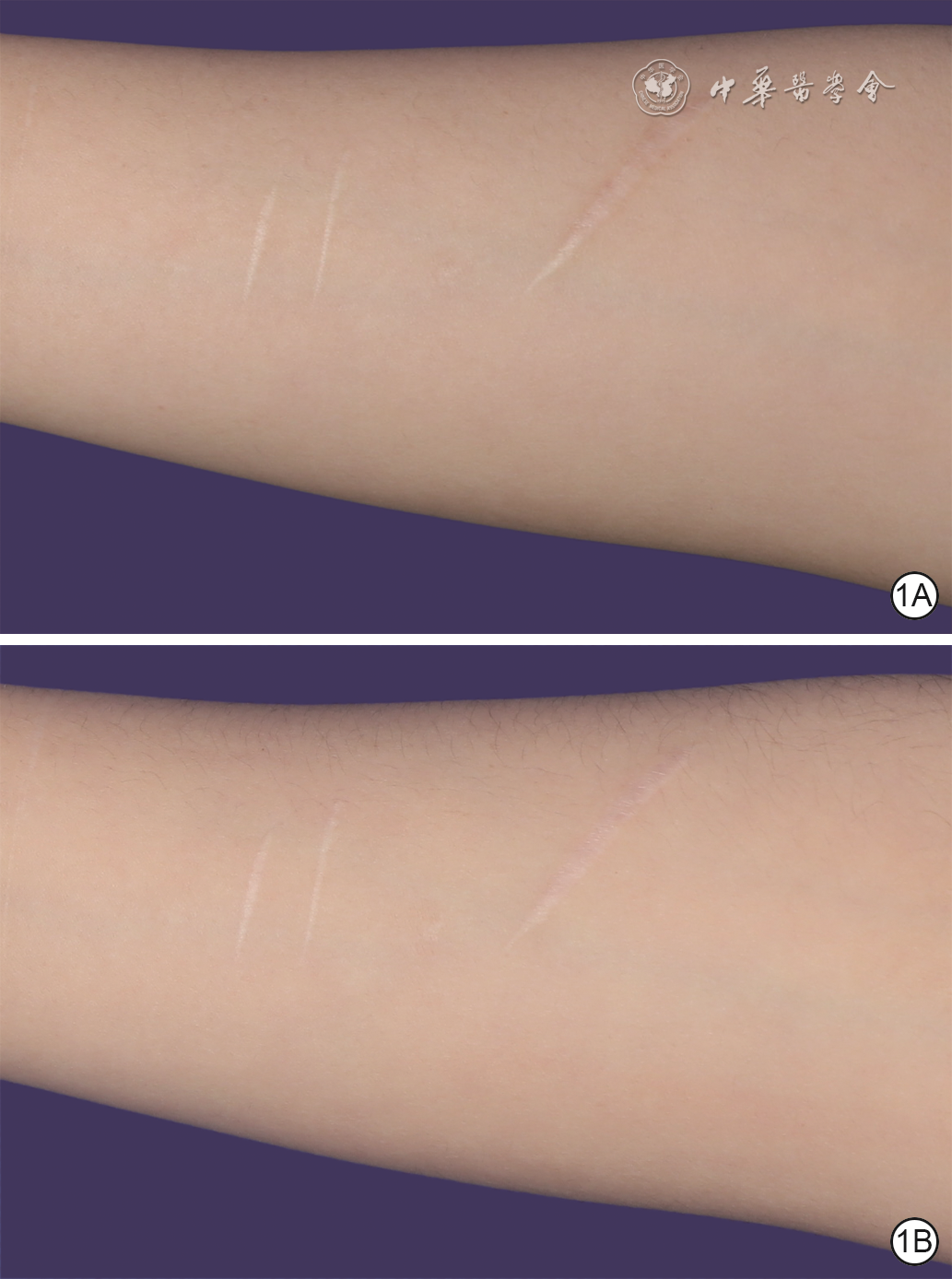
Clinical efficacy of fractional carbon dioxide laser combined with latanoprost ophthalmic solution wet dressing in treating old self-inflicted scars with hypopigmentation
Zhu Yifu, Liu Ling, Song Baoqiang, Fan Xing, Yin Yue, Li Tong, Xue Ping, Dou Wenjie, Yang Qing
2026, 42(4): 332-341. doi: 10.3760/cma.j.cn501225-20251230-00558
Abstract:
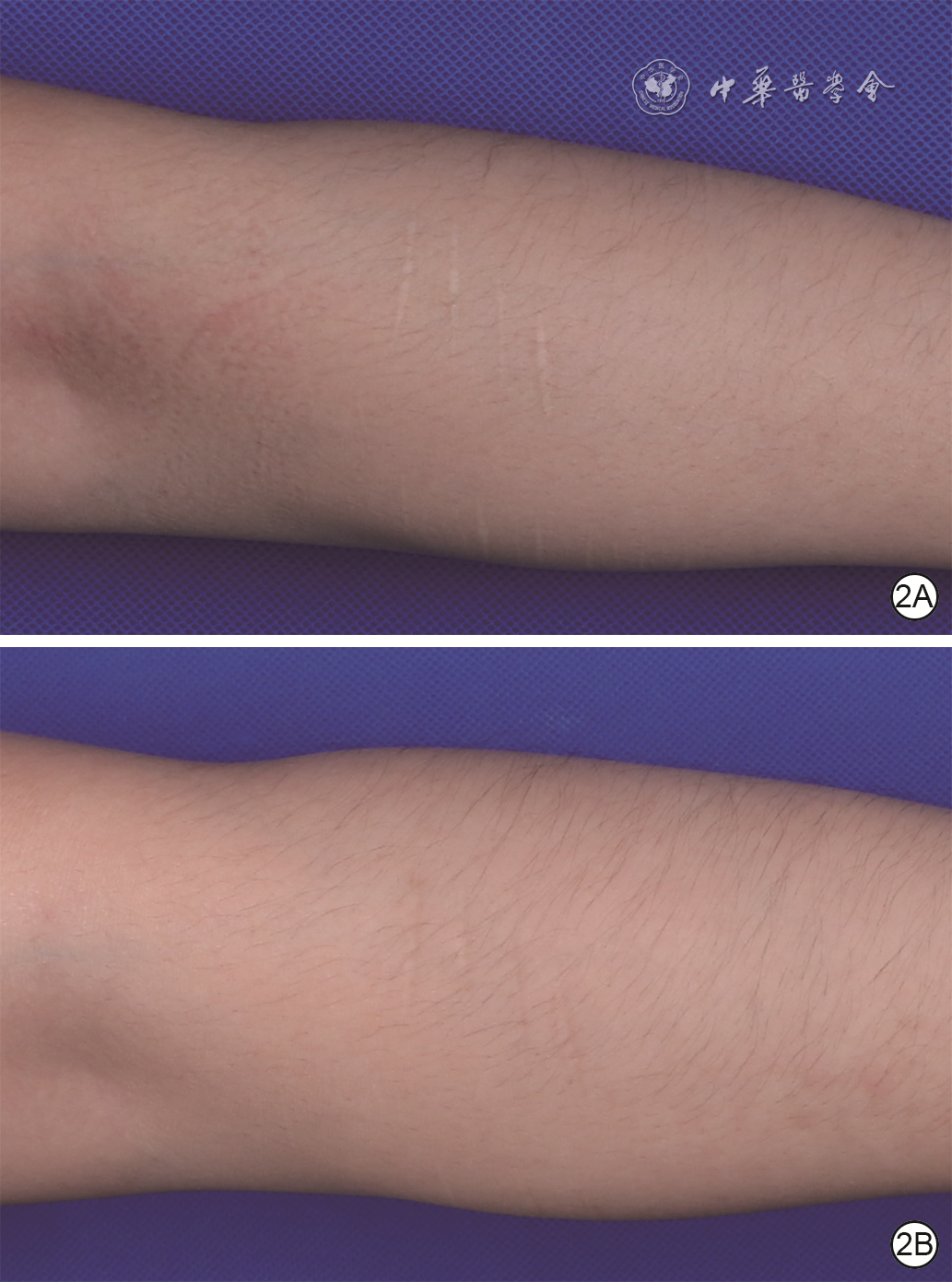
  Objective  To explore the clinical efficacy of fractional carbon dioxide laser combined with latanoprost ophthalmic solution wet dressing in treating old self-inflicted scars with hypopigmentation.  Methods  This study was a retrospective cohort study. From January 1st, 2018 to October 31st, 2025, 136 patients with old self-inflicted forearm scars accompanied by hypopigmentation who met the inclusion criteria were admitted to the Department of Plastic Surgery of the First Affiliated Hospital of Air Force Medical University. There were 41 males and 95 females, aged 13 to 25 years. Based on the treatment methods of scars, the patients were categorized into laser-only group (79 patients, 602 scars) receiving fractional carbon dioxide laser treatment alone and combined treatment group (57 patients, 530 scars) receiving fractional carbon dioxide laser combined with latanoprost ophthalmic solution wet dressing. A total of 4 laser treatments were performed in each patient. Before the first treatment (hereinafter referred to as before treatment) and at 6 months after the last treatment (hereinafter referred to as 6 months after treatment), the modified observer scar assessment scale (OSAS) was used to independently score each scar in 4 dimensions: thickness, roughness, softness, and width; the scar hypopigmentation was assessed based on the color scoring principles of the Vancouver scar scale, and the improvement rate of scar hypopigmentation was calculated. The independent factors influencing the width and improvement of hypopigmentation of scars were screened. At 6 months after treatment, the satisfaction degree of patients or their family members with the scar treatment efficacy was recorded, and the satisfaction rate was calculated. The adverse reaction occurred during the treatment process was documented, and the incidence of adverse reaction was calculated.  Results  At 6 months after treatment, the scores for scar thickness, roughness, and softness in the modified OSAS in laser-only group and combined treatment group of patients (with t values of 35.381, 29.184, 37.659 and 36.158, 29.995, 38.596, respectively, P<0.05), as well as the score for scar width in the modified OSAS in combined treatment group of patients (t=17.595, P<0.05) were significantly lower than those before treatment. The scar width score in the modified OSAS at 6 months after treatment in combined treatment group of patients was significantly lower than that in laser-only group (with mean difference of -0.48, 95% CI of -0.56 to -0.40, t=12.080, P<0.05). The difference in scar width score in the modified OSAS between 6 months after treatment and before treatment in combined treatment group and laser-only group of patients was -0.39±0.51 and 0.04±0.56, respectively, and there was statistically significant difference between the two groups (t=13.545, P<0.05). The results of multiple linear regression analysis showed that the scar treatment method was an independent factor influencing the improvement of scar width in patients (β=-0.426, with 95% CI of -0.490 to -0.363, t=-13.142, P<0.05). There was statistically significant difference in the degree of scar hypopigmentation between before treatment and at 6 months after treatment in combined treatment group of patients (Z=-3.594, P<0.05). The improvement rate of scar hypopigmentation in combined treatment group of patients at 6 months after treatment was 16.23% (86/530), which was significantly higher than 3.65% (22/602) in laser-only group (χ²=51.618, P<0.05). The results of binary multivariate logistic regression analysis showed that the scar treatment method was an independent factor influencing the improvement of scar hypopigmentation in patients (OR=5.378, with 95% CI of 3.293 to 8.781, P<0.05). At 6 months after treatment, the satisfaction rate of patients or their family members in combined treatment group with the treatment efficacy of scars was significantly higher than that in laser-only group (χ²=6.458, P<0.05). The incidence of adverse reaction in combined treatment group of patients during treatment was 17.54% (10/57), which was significantly higher than 3.80% (3/79) in laser-only group (P<0.05).  Conclusions  Fractional carbon dioxide laser combined with latanoprost ophthalmic solution wet dressing demonstrates significant efficacy in treating old self-inflicted scars with hypopigmentation. It is significantly superior to fractional carbon dioxide laser treatment alone in terms of improvement in scar width and hypopigmentation, and the satisfaction of patients.
Clinical efficacy of punch excision combined with early radiotherapy in multiple keloids
Tang Yuchen, Xu Shun, Zhang Yixin, Zhang Zheng
2026, 42(4): 342-349. doi: 10.3760/cma.j.cn501225-20241226-00508
Abstract:
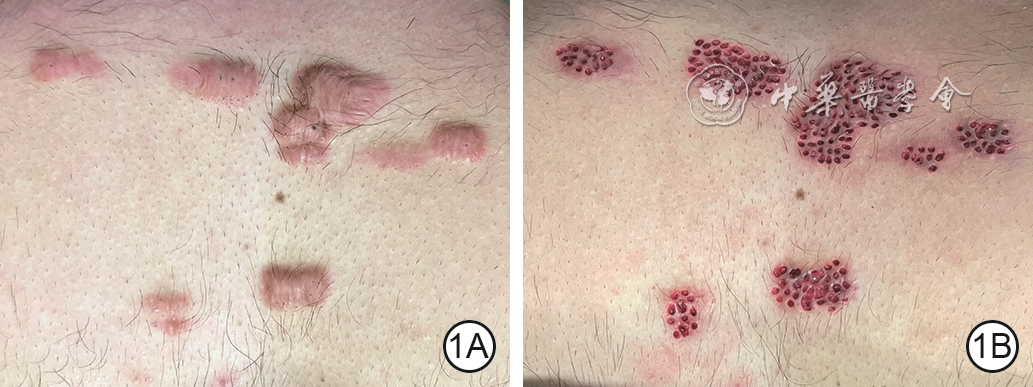
  Objective  To evaluate the clinical efficacy of punch excision combined with early radiotherapy (PCR) in multiple keloids.  Methods  This study was a retrospective cohort study. From November 2022 to December 2023, 32 patients with multiple keloids who met the inclusion criteria were recruited from the Department of Plastic and Reconstructive Surgery of Shanghai Ninth People's Hospital Affiliated to Shanghai Jiao Tong University School of Medicine. Among them, 20 were male and 12 were female, aged 16 to 74 years. All patients underwent PCR. At one year after surgery, the efficacy of the treatment in 32 patients was evaluated based on the symptoms, the degree of improvement, and the recurrence of keloids. The treatment effectiveness rate and recurrence rate were calculated. The Vancouver scar scale (VSS) was used to score the keloids of 32 patients in terms of pigmentation, height, pliability, and vascularity before surgery, at 6 months and one year after surgery. The image and data from skin imaging analysis system of 17 patients were collected before surgery and at 6 months and one year after surgery. Then the hemoglobin, melanin, and volume of keloids were scored.  Results  At one year after surgery, the results of efficacy evaluation of 32 patients showed that 22 cases were markedly effective, 6 cases were improved, 3 cases were ineffective, and one case recurred. The treatment effectiveness rate was 87.50% (28/32), and the recurrence rate was 3.12% (1/32). The total score and scores of pigmentation, height, vascularity, and pliability of VSS of keloids of 32 patients at one year after surgery were significantly lower than those before surgery and at 6 months after surgery (with t values of 14.501, 2.470, 13.552, 7.779, 15.092 and 6.297, 5.298, 3.040, 3.832, 4.477, respectively, P<0.05). The volume score of keloids of 17 patients at one year after surgery was significantly lower than that before surgery and at 6 months after surgery (with Z values of 3.772 and 4.860, respectively, P values both <0.05). However, there were no statistically significant differences in hemoglobin or melanin scores of keloids between one year after surgery and before surgery or 6 months after surgery (P>0.05).  Conclusions  PCR can significantly reduce the volume of multiple keloids, improve appearance and pliability of keloids. It is a safe and effective clinical treatment plan with definite efficacy and low recurrence rate of keloids.
Clinical efficacy of W-plasty resection combined with remote tension-reducing suture in upper limb scar revision
Ma Fuxin, Zhang Yuheng, Dong Yuchen, Ren Pan, Zhou Haowei, Huang Rong, Li Jing
2026, 42(4): 350-358. doi: 10.3760/cma.j.cn501225-20241226-00507
Abstract:
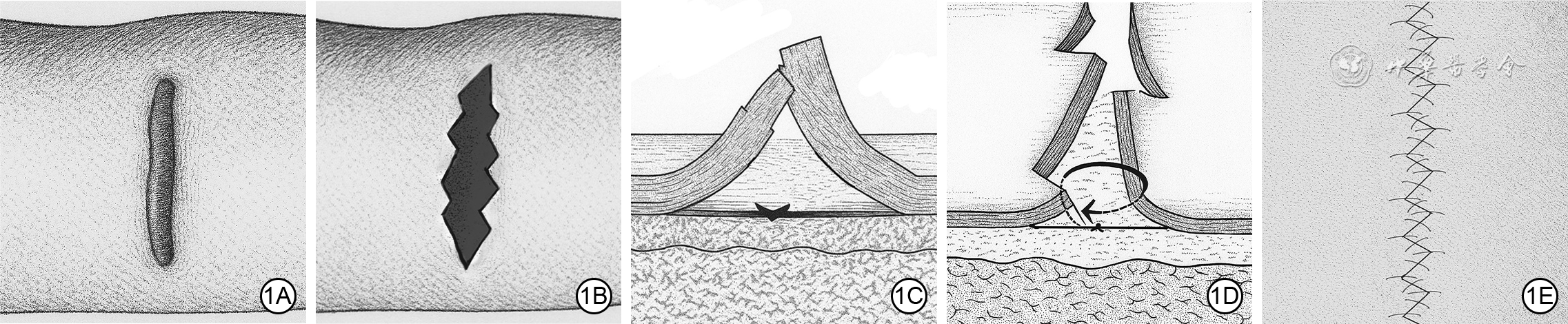
  Objective  To investigate the clinical efficacy of W-plasty resection combined with remote tension-reducing suture in upper limb scar revision.  Methods  This study was a retrospective cohort study. From June to December 2023, 69 patients with upper limb scars who met the inclusion criteria were admitted to the Department of Burn and Plastic Surgery of the Second Affiliated Hospital of Air Force Medical University. According to the adopted scar revision method, the patients were divided into W-plasty suture group (36 cases, including 6 males and 30 females, aged (28±4) years) and conventional tension-reducing suture group (33 cases, including 5 males and 28 females, aged (29±6) years). Patients in W-plasty suture group received W-plasty resection combined with remote tension-reducing suture, and patients in conventional tension-reducing suture group received conventional fusiform excision followed by local tension-reducing suture. Before surgery and at 6 and 12 months after surgery, the patient and observer scar assessment scale (POSAS) scores, Vancouver scar scale (VSS) scores, and width of scars were recorded. The independent factors influencing the POSAS and VSS scores of scars in patients at 12 months after surgery were screened. Surgery-related complications were recorded within 12 months after surgery.  Results  At 12 months after surgery, the POSAS and VSS scores of scars in W-plasty suture group of patients were 31.6±2.0 and 3.3±0.8, respectively, which were significantly lower than 33.5±2.7 and 4.0±1.6 in conventional tension-reducing suture group (with mean differences of -1.9 and -0.7, respectively, 95% CI of -3.0 to -0.8 and -1.3 to -0.1, respectively, t values of 3.22 and 2.63, respectively, P<0.05). At 6 and 12 months after surgery, the POSAS and VSS scores of scars in both groups of patients were significantly lower than those before surgery (P<0.05). The POSAS score of scars in conventional tension-reducing suture group of patients at 12 months after surgery was significantly higher than that at 6 months after surgery (P<0.05), while the VSS scores of scars in both groups of patients at 12 months after surgery were significantly higher than those at 6 months after surgery (P<0.05). The results of multiple linear regression analysis showed that the scar revision method was an independent factor influencing the POSAS score of scars in patients at 12 months after surgery (with standardized regression coefficient of 0.38, t=3.26, P<0.05). The scar revision method, age, and preoperative scar width were the independent factors influencing the VSS score of scars in patients at 12 months after surgery (with standardized regression coefficients of 0.32, -0.32, and 0.27, respectively, t values of 2.93, -2.86, and 2.49, respectively, P<0.05). At 12 months after surgery, the scar width in W-plasty suture group of patients was (1.04±0.27) mm, which was significantly narrower than (1.23±0.22) mm in conventional tension-reducing suture group (with mean difference of -0.19 mm, 95% CI of -0.31 to -0.07 mm, t=3.17, P<0.05). At 6 and 12 months after surgery, the scar widths in both groups of patients were significantly narrower than those before surgery (P<0.05). Within 12 months after surgery, the incisions in both groups of patients healed, and no complications such as infection or significant scar hypertrophy were observed.  Conclusions  W-plasty resection combined with remote tension-reducing suture is more effective for upper limb scar revision than conventional fusiform excision followed by local tension-reducing suture, exhibiting more significant long-term effects, with patients' subjective symptoms and the scar appearance better improved.
Original Article
Efficacy of turbocharged medial sural artery perforator flaps in repairing skin and soft tissue defects of hands and feet
Zhang Yan, Jin Guangzhe, Cao Yang, Wu Chenglong, Wang Guiyang, Wang Shi, Dong Shuai, Zhang Yuji, Liu Yucheng, Ju Jihui
2026, 42(4): 359-364. doi: 10.3760/cma.j.cn501225-20241029-00419
Abstract:
  Objective  To explore the efficacy of turbocharged medial sural artery perforator flaps in repairing skin and soft tissue defects of hands and feet.  Methods  This study was a retrospective investigation of case series. From September 2022 to November 2023, 12 patients with skin and soft tissue defects of hands and feet who met the inclusion criteria were admitted to Suzhou Ruihua Orthopaedic Hospital, including 8 males and 4 females, aged 32-69 years. After debridement, the wound area ranged from 5.5 cm×3.5 cm to 13.5 cm×5.5 cm. The defects were repaired with turbocharged medial sural artery perforator flaps with an area of 6.0 cm×4.0 cm to 14.0 cm×6.0 cm, and the donor site wounds were directly closed by suturing. The flap harvesting procedure, postoperative survival and occurrence of vascular crisis, as well as the postoperative healing of donor site wounds were recorded. During follow-up, the appearance and texture of the flaps, as well as the scarring and pain of the donor site wounds were observed. At the last follow-up, a comprehensive evaluation scale was used to assess the flap transplantation effect, and the British Medical Research Council sensory function grading standard was adopted to evaluate the sensory function of the flaps.  Results  All flaps were harvested successfully and survived well postoperatively without vascular crisis; all donor site wounds healed smoothly after operation. Follow-up for 6-15 months showed that the flaps had a good appearance and excellent texture, and the donor site wounds healed with only linear scars left, without scar contracture, pain, or other discomfort. At the last follow-up, 9 cases were rated as excellent and 3 cases as good in terms of flap transplantation effect; the sensory function of the flaps was graded as grade S1 in 1 case, grade S2 in 8 cases, and grade S3 in 3 cases.  Conclusions  The application of turbocharged medial sural artery perforator flaps in repairing skin and soft tissue defects of hands and feet achieves good recovery of both the appearance and function of the donor and recipient sites postoperatively, making it one of the effective repair methods for this type of defects.
Efficacy of collagenase ointment in treating deep partial-thickness burn wounds in infants and young children
Zhang Binzhu, Lin Feng, Zuo Na, Qiu Wenxu, Liu Yu, Chang Jinning, Tao Kai
2026, 42(4): 365-372. doi: 10.3760/cma.j.cn501225-20241211-00485
Abstract:
  Objective  To investigate the efficacy of collagenase ointment in treating deep partial-thickness burn wounds in infants and young children.  Methods  This study was a retrospective cohort study. From September 2019 to September 2023, 40 infants and young children with deep partial-thickness burns who met the inclusion criteria were admitted to the Fourth Affiliated Hospital of China Medical University, including 22 males and 18 females, aged 10-36 months. According to the wound management method, the children were divided into an observation group (n=20) treated with collagenase ointment in the early stage and Vaseline gauze in the later stage, and a control group (n=20) treated with Vaseline gauze alone. The time for wound necrotic tissue to slough off and the wound healing time of those pediatric patients were recorded. Pain levels were assessed using the neonatal infant pain scale (NIPS), the CRIES pain score scale, and the children's pain behavior inventory FLACC during each dressing change and every 2 days after treatment, and the mean of about 28 measurements was used for statistical analysis. The duration of adverse symptoms of pediatric patients within 7 days after treatment initiation was recorded, along with the occurrence of adverse reactions and wound infection, and detection of pathogenic microorganisms during the treatment.  Results  The time for wound necrotic tissue to slough off and the wound healing time of pediatric patients in observation group were (4.2±2.8) and (15.4±3.2) d, respectively, which were significantly shorter than (8.3±1.5) and (22.8±2.1) d in control group (with mean differences of -4.2 and -7.3 d, respectively, 95% CI of -5.6 to -2.7 and -9.0 to -5.6 d, respectively, t values of 6.656 and 9.354, respectively, P values both <0.05). Analysis of covariance showed that after adjusting for potential confounding factors, the time for wound necrotic tissue to slough off and the wound healing time of pediatric patients in observation group were still significantly shorter than those in control group (with mean differences of -4.1 and -7.4 d, respectively, 95% CI of -5.5 to -2.7 and -9.1 to -5.7 d, respectively, F values of 25.831 and 68.152, respectively, P<0.05). During each dressing change and every 2 days after treatment, there were no statistically significant differences in the NIPS, CRIES pain score scale, and FLACC scores for pain between the two groups of pediatric patients (P>0.05). Within 7 days after treatment initiation, the duration of adverse symptoms of pediatric patients in observation group was (2.0±0.7) d, which was significantly shorter than (5.2±0.8) d in control group (t=12.823, P<0.05). During the treatment, the proportions of pediatric patients with adverse reactions, wound infection, and detected pathogenic microorganisms in observation group were lower than those in control group, but the differences were not statistically significant (P>0.05).  Conclusions  Collagenase ointment can significantly shorten the time for necrotic tissue to slough off and the wound healing time in deep partial-thickness burn wounds in infants and young children, and shorten the duration of early adverse symptoms. Although it did not show significant advantages in reducing pain scores or incidence of complication, it has potential value in clinical application.
Characteristics analysis and trend projection of burn disease burden among middle-aged and elderly population in China based on the GBD 2021 database
Wang Yang, Zhao Yuhui, Liu Jun, Liu Yuanyuan, Zhang Pengdong
2026, 42(4): 373-382. doi: 10.3760/cma.j.cn501225-20250710-00296
Abstract:
  Objective  To analyze the characteristics of burn disease (hereinafter referred to as "this type of disease") burden among Chinese middle-aged and elderly population (≥55 years) based on the Global Burden of Disease (GBD) 2021 database and to project its trends.  Methods  This study was a secondary study based on public databases. Core indicators of this type of disease in China from 1990 to 2021 were extracted from the GBD 2021 database, including the incident cases, incidence, deaths, mortality, disability-adjusted life years (DALYs), DALY rate, and their standardized rates. Analyses were conducted using age-period-cohort model, Joinpoint regression model, and Das Gupta decomposition analysis. An autoregressive integrated moving average model was constructed to project the burden trends of this type of disease in China in 2030.  Results  In 2021, the total incident cases, deaths, and DALYs of this type of disease in China were 9.55 (7.23-12.76)×10⁴, 7 579 (5 525-9 184), and 22.01 (16.94-28.05)×10⁴, respectively, all higher than 4.21 (3.05-5.70)×10⁴, 5 550 (4 056-6 454), and 16.92 (13.78-20.16)×10⁴ in 1990. The total incidence, mortality, DALY rate, and standardized DALY rate in 2021 were 25.22 (19.10-33.69)×10-5, 2.00 (1.46-2.42)×10-5, 58.11 (44.73-74.03)×10-5, and 33.64 (27.01-41.78)×10-5, respectively, all lower than 29.37 (21.29-39.75)×10-5, 3.87 (2.83-4.50)×10-5, 117.95 (96.03-140.53)×10-5, and 135.58 (109.77-158.36)×10-5 in 1990. Joinpoint regression model analysis showed that the total standardized incidence, standardized mortality, and standardized DALY rate of this type of disease in China decreased significantly from 1990 to 2021, with average annual percent changes of -0.33%, -3.97%, and -4.83%, respectively (P<0.05). Age-period-cohort model analysis showed that, compared with the general population, across age groups of 55-59, 60-64, 65-69, 70-74, 75-79, 80-84, 85-89, 90-94, and ≥95 years, the incidence risk of this type of disease in China presented significant changes (with RR (95% CI) of 1.054 (1.012-1.099), 0.949 (0.919-0.979), 0.800 (0.783-0.818), 0.724 (0.714-0.735), 0.713 (0.703-0.722), 0.916 (0.899-0.934), 1.165 (1.133-1.199), 1.361 (1.305-1.419), and 1.666 (1.559-1.780), respectively, P<0.05), and the mortality risk of this type of disease changed significantly (with RR (95% CI) of 0.208 (0.198-0.218), 0.229 (0.220-0.239), 0.331 (0.320-0.343), 0.551 (0.536-0.566), 0.897 (0.875-0.920), 1.778 (1.732-1.826), 3.222 (3.118-3.330), 4.653 (4.447-4.868), and 4.811 (4.451-5.201), respectively, P<0.05); the incidence risk of this type of disease peaked and changed significantly during 2020-2021 (with RR (95% CI) of 1.034 (1.002-1.069), P<0.05), and the mortality risk of this type of disease changed significantly during the time periods of 1990-1994, 1995-1999, 2005-2009, 2010-2014, 2015-2019, and 2020-2021 (with RR (95% CI) of 1.195 (1.153-1.239), 1.037 (1.005-1.070), 1.031 (1.007-1.055), 0.965 (0.942-0.989), 0.896 (0.871-0.922), and 0.920 (0.888-0.954), respectively, P<0.05); the incidence risk of this type of disease changed significantly during the birth cohorts of 1915-1919, 1920-1924, 1925-1929, 1930-1934, 1935-1939, 1945-1949, 1950-1954, 1955-1959, 1960-1964, 1965-1969 (with RR (95% CI) of 1.102 (1.031-1.178), 1.113 (1.053-1.176), 1.102 (1.055-1.152), 1.081 (1.046-1.118), 1.051 (1.027-1.076), 0.977 (0.969-0.986), 0.928 (0.916-0.940), 0.896 (0.877-0.916), 0.891 (0.863-0.920), and 0.893 (0.855-0.933), respectively, P<0.05), and the mortality risk of this type of disease changed significantly during the birth cohorts of 1895-1899, 1900-1904, 1905-1909, 1910-1914, 1915-1919, 1920-1924, 1925-1929, 1930-1934, 1935-1939, 1940-1944, 1945-1949, 1950-1954, 1955-1959, 1960-1964, 1965-1969 (with RR (95% CI) of 1.751 (1.273-2.411), 1.650 (1.434-1.900), 1.542 (1.400-1.698), 1.519 (1.404-1.643), 1.460 (1.366-1.561), 1.330 (1.256-1.408), 1.195 (1.139-1.253), 1.068 (1.027-1.112), 0.967 (0.936-0.999), 0.863 (0.836-0.890), 0.765 (0.740-0.792), 0.677 (0.651-0.703), 0.590 (0.563-0.619), 0.522 (0.489-0.556), and 0.448 (0.406-0.494), respectively, P<0.05). Das Gupta decomposition analysis indicated that population growth was the core factor contributing to the increase in incident cases of this type of disease in China (with total contribution rate of 98.15%), and epidemiological changes were the main driving force behind the reduction in deaths of this type of disease in China (with total contribution rate of 170.02%). Autoregressive integrated moving average model projections suggested that by 2030, the incident cases of this type of disease in China would rise to 13.35 (10.58-16.12)×10⁴, deaths would stabilize at 7 642 (6 076-9 208), and DALYs would increase to 23.71 (20.86-26.55)×10⁴; meanwhile, the incidence would drop to 23.59 (21.97-25.20)×10-5, mortality would drop to 1.47 (0.71-2.23)×10-5, and DALY rate would drop to 41.17 (28.39-53.95)×10-5.  Conclusions  The absolute burden of this type of disease in China from 1990 to 2021 has increased, while the incidence, mortality, and DALY rate have decreased. Population growth and epidemiological changes have driven the rise in incident cases and the decline in deaths, respectively. This type of disease burden in China is expected to keep growing in the future.
Two-step two-sample mediation MR analysis of causal relationships between human gut microbiota features, immune cell phenotypes, and HS
Lou Jiaqi, Li Jiliang, Cui Shengyong, Huang Neng, Jin Guoying, Xu Sida, Yu Yaohua, Xu Pei, Le Xin, Pan Yanyan, Fan Youfen
2026, 42(4): 383-392. doi: 10.3760/cma.j.cn501225-20241226-00509
Abstract:
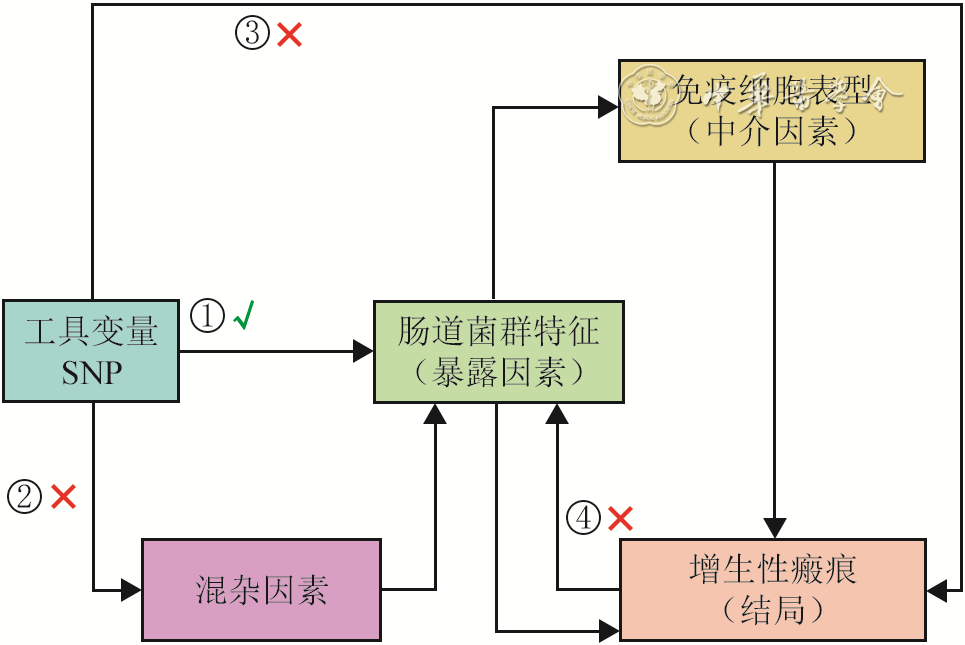
  Objective  To investigate the causal relationships between human gut microbiota features, immune cell phenotypes, and hypertrophic scar (HS).  Methods  This was a study based on two-step two-sample mediation Mendelian randomization (MR) analysis. Data on human gut microbiota features, immune cell phenotypes, and HS were retrieved from the genome-wide association study database. The inverse variance weighted method was used to assess the causal relationships between 119 gut microbiota features, 731 immune cell phenotypes, and HS. Heterogeneity and horizontal pleiotropy were evaluated using Cochran's Q test and MR-Egger regression test, respectively. A two-step MR approach was employed to quantify the mediating effect of immune cell phenotypes in the association between gut microbiota features and HS.  Results  Seven gut microbiota features showed significant causal relationships with the risk of HS formation. Among them, the followings were significantly negatively associated with the risk of HS formation, including Actinobacteria-Actinobacteria-Bifidobacteriales, Actinobacteria-Actinobacteria-Bifidobacteriales-Bifidobacteriaceae, Bacteroidetes-Bacteroidia-Bacteroidales-Rikenellaceae-Alistipes-Alistipes senegalensis, Firmicutes-Clostridia-Clostridiales-Clostridiaceae, superpathway of heme biosynthesis from glycine, and peptidoglycan biosynthesis Ⅰ (containing meso-diaminopimelate), with OR of 0.804, 0.804, 0.784, 0.820, 0.864, and 0.686, respectively, 95% CI of 0.649-0.996, 0.649-0.996, 0.623-0.988, 0.687-0.980, 0.759-0.984, and 0.491-0.959, respectively, P<0.05. Firmicutes-Clostridia-Clostridiales-Eubacteriaceae-Eubacterium-Eubacterium eligens was significantly positively associated with the risk of HS formation (OR=1.239, with 95% CI of 1.007-1.525, P<0.05). Twenty-three immune cell phenotypes showed significant causal relationships with the risk of HS formation. These included the percentage of IgD⁻CD38⁻ B cells among B cells, absolute count of CD11c⁺ human leukocyte antigen DR (HLA-DR)⁺⁺ monocyte, percentage of IgD⁻CD27⁻ B cells among B cells, CD25 expression on IgD⁻CD27⁻ B cells, percentage of CD8⁺ T cells among T cells, percentage of HLA-DR⁺⁺ monocytes among monocytes, HLA-DR expression on CD14⁺CD16⁻ monocytes, HLA-DR expression on CD14⁺ monocytes, CD20 expression on IgD⁺CD38⁺ B cells, programmed death-ligand 1 (PD-L1) expression on CD14⁻CD16⁺ monocytes, percentage of CD28⁺CD45RA⁻CD8dim T cell, percentage of effector memory CD8⁺ T cells among T cells, percentage of CD25⁺⁺CD45RA⁻ CD4 non-regulatory T cells, and CD45 expression on immature myeloid-derived suppressor cells were significantly negatively associated with the risk of HS formation (with OR of 0.847, 0.878, 0.891, 0.894, 0.894, 0.903, 0.908, 0.911, 0.911, 0.916, 0.931, 0.932, 0.940, and 0.942, respectively, 95% CI of 0.731-0.982, 0.776-0.994, 0.798-0.995, 0.804-0.994, 0.824-0.970, 0.830-0.982, 0.848-0.971, 0.849-0.976, 0.851-0.976, 0.846-0.992, 0.886-0.977, 0.876-0.991, 0.886-0.997, and 0.889-0.998, respectively, P<0.05). HLA-DR expression on CD14⁺CD16⁺ monocytes, absolute count of memory B cells, CD25 expression on CD45RA⁻CD4 non-regulatory T cells, CD24 expression on IgD⁺CD38⁺ B cells, side scatter light area expression on natural killer (NK) cells, PD-L1 expression on CD14⁻CD16⁻ cells, percentage of CD25⁺⁺CD4⁺ T cells among T cells, CD16⁻CD56 expression on NK cells, and absolute T cell count were significantly positively associated with the risk of HS formation (with OR of 1.040, 1.056, 1.077, 1.100, 1.102, 1.102, 1.104, 1.113, and 1.156, respectively, 95% CI of 1.001-1.080, 1.001-1.114, 1.020-1.138, 1.030-1.174, 1.008-1.205, 1.024-1.187, 1.016-1.200, 1.034-1.198, and 1.047-1.276, respectively, P<0.05). No significant heterogeneity or horizontal pleiotropy was observed for the aforementioned associations (P>0.05). The significant overall protective effect of Firmicutes-Clostridia-Clostridiales-Clostridiaceae on HS (total effect β=-0.198, with 95% CI of -0.375 to -0.021, P<0.05) was partially mediated by percentage of HLA-DR⁺⁺ monocyte and HLA-DR expression on CD14⁺CD16⁻ monocytes (with mediation effect β values of -0.016 and -0.020, respectively, 95% CI of -0.035 to -0.001 and -0.050 to -0.001, respectively, P values both <0.05), with mediation proportions of 8.333% and 13.333%, respectively.  Conclusions  Seven gut microbiota features and 23 immune cell phenotypes are significantly associated with the risk of HS formation. Specific gut microbiota, such as Clostridiaceae and Bifidobacteriales, may reduce the risk of HS formation risk potentially by modulating immune cell phenotypes including HLA-DR expression in monocytes.
Effect and mechanism of hyperbaric oxygen on chronic wounds of full-thickness skin defects in rats
Ma Huadan, Li Qiaoling, Sun Huijuan, Tian Su'e, Huang Xiumian, Wei Xiaojuan, Ling Shan, Wei Hua
2026, 42(4): 393-402. doi: 10.3760/cma.j.cn501225-20241220-00496
Abstract:
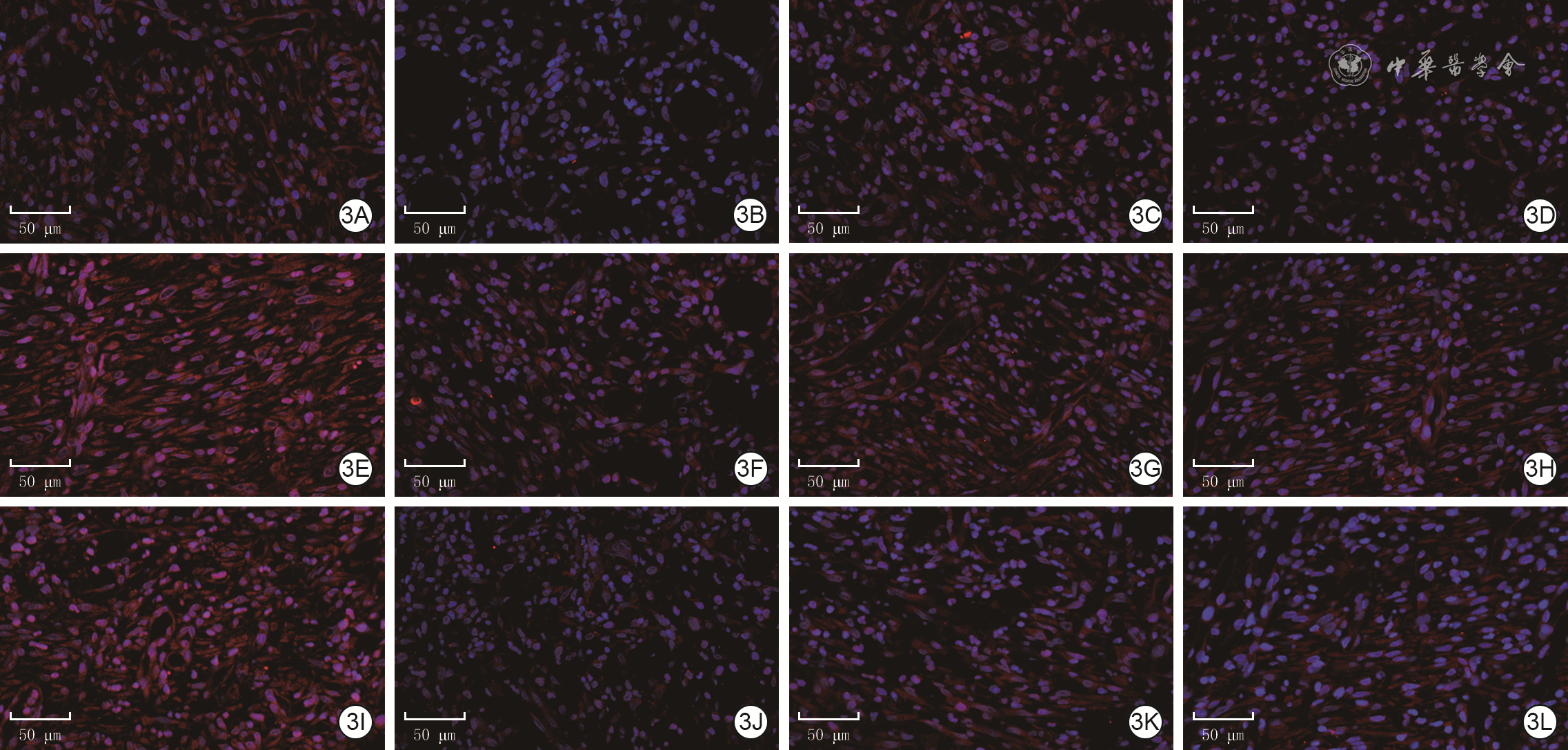
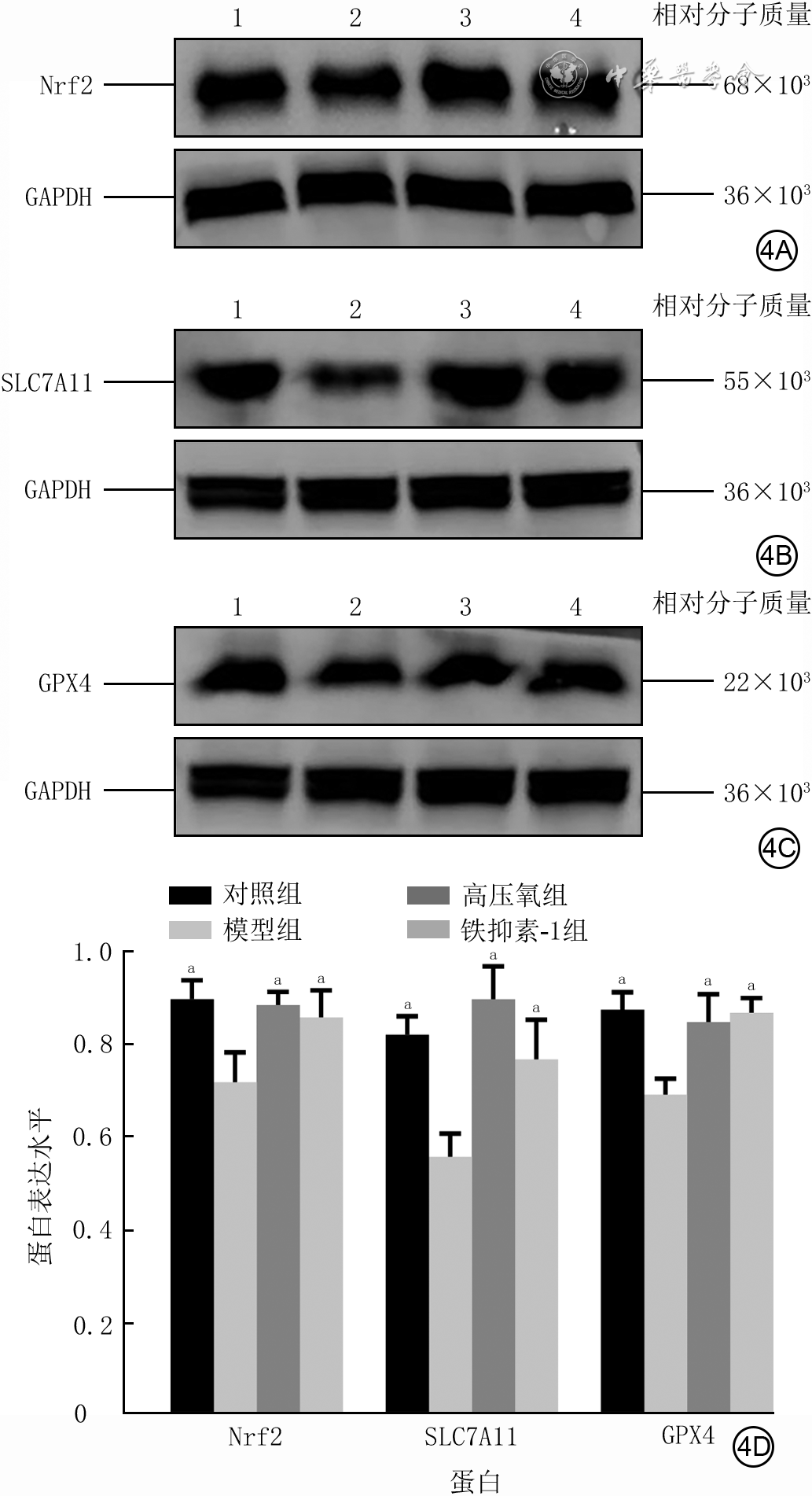
  Objective  To investigate the effect and mechanism of hyperbaric oxygen on chronic wounds of full-thickness skin defects in rats.  Methods  This study was designed as grouped experimental study. Forty 3-month-old male Sprague-Dawley rats were divided into control group, model group, hyperbaric oxygen group, and ferrostatin-1 group using a random number table method, with 10 rats in each group. Rats in control group only received full-thickness skin excision on the back. Rats in model group received an intramuscular injection of hydrocortisone acetate after full-thickness skin excision on the back to establish chronic wounds. In addition to full-thickness skin excision on the back and intramuscular injection of hydrocortisone acetate, rats in hyperbaric oxygen group and in ferrostatin-1 group received hyperbaric oxygen therapy and ferrostatin-1 intervention, respectively. After 7 days of treatment, the wound condition was observed and the wound healing rate was calculated. Hematoxylin-eosin staining was used to detect the pathological changes of wound tissue and scored. Transmission electron microscopy was used to observe the ultrastructure of fibroblasts (Fbs) in the wound tissue. Enzyme-linked immunosorbent assay was used to detect the expression levels of interleukin-1β (IL-1β), IL-6, matrix metalloproteinase-9 (MMP-9), and tissue inhibitor of MMP-1 (TIMP-1) in the wound tissue. Relevant kits were used to determine the content of malondialdehyde (MDA), glutathione (GSH), and superoxide dismutase (SOD) in the wound tissue. Immunofluorescence and Western blotting were used to detect the expression of nuclear factor-erythroid 2-related factor 2 (Nrf2), solute carrier family 7 member 11 (SLC7A11), and glutathione peroxidase 4 (GPX4) in the wound tissue.  Results  After 7 days of treatment, the wounds in all groups of rats exhibited redness, swelling, and exudation, with the most pronounced ulceration observed in model group; the process of wound epithelialization of rats in model group was also significantly delayed compared with that in hyperbaric oxygen group, ferrostatin-1 group, and control group. After 7 days of treatment, the wound healing rates of rats in hyperbaric oxygen group, ferrostatin-1 group, and control group were significantly higher than that in model group (P<0.05). After 7 days of treatment, varying degrees of edema and inflammatory infiltration were observed in the wound tissue of rats in all groups, with the most severe changes being observed in model group. The histopathological scores of wound tissue of rats in hyperbaric oxygen group, ferrostatin-1 group, and control group were significantly higher than that in model group (P<0.05). After 7 days of treatment, the mitochondrial structure of Fbs in the wound tissue of rats in control group was intact. In model group, the Fbs mitochondria in the wound tissue of rats were shrunken, the mitochondrial cristae disappeared and the outer membrane of mitochondria ruptured. In hyperbaric oxygen group and ferrostatin-1 group, the Fbs mitochondrial damage in the wound tissue of rats was mild. After 7 days of treatment, compared with those in model group, the expression levels of IL-1β, IL-6, and MMP-9 in the wound tissue of rats in hyperbaric oxygen group, ferrostatin-1 group, and control group were significantly decreased (P<0.05), while the expression levels of TIMP-1 were significantly increased (P<0.05). After 7 days of treatment, compared with that in model group, the MDA content in the wound tissue of rats in hyperbaric oxygen group, ferrostatin-1 group, and control group was significantly decreased (P<0.05), while the content of GSH and SOD was significantly increased (P<0.05). After 7 days of treatment, immunofluorescence detection showed that the expression levels of Nrf2, SLC7A11, and GPX4 in the wound tissue of rats in model group were 10.1±1.4, 23.2±1.9, and 19.7±1.3, respectively, which were significantly lower than those in hyperbaric oxygen group (20.6±1.8, 32.9±1.7, and 31.6±3.0, respectively), ferrostatin-1 group (21.2±2.4, 31.1±2.7, and 32.2±1.2, respectively), and control group (27.8±1.6, 39.4±2.1, and 39.4±2.0, respectively), P<0.05; Western blotting detection revealed that the expression levels of Nrf2, SLC7A11, and GPX4 in the wound tissue of rats in model group were 0.72±0.06, 0.56±0.05, and 0.69±0.03, respectively, which were significantly lower than those in hyperbaric oxygen group (0.88±0.03, 0.90±0.07, and 0.85±0.06, respectively), ferrostatin-1 group (0.86±0.06, 0.77±0.09, and 0.87±0.03, respectively), and control group (0.90±0.04, 0.82±0.04, and 0.87±0.04, respectively), P<0.05.  Conclusions  Hyperbaric oxygen can effectively promote the healing of chronic wounds of full-thickness skin defects in rats, and its mechanism may be related to activating the expression of ferroptosis inhibitory molecules Nrf2, SLC7A11, and GPX4, thereby reducing inflammatory response and oxidative stress.