Current Issue

2026 Vol. 42, No. 3

Expert Forum
Mechanism of actions and reflections of Masquelet induced membrane technique in diabetic wound
Tao Ke, Cao Tao, Shao Luocheng
2026, 42(3): 203-209. doi: 10.3760/cma.j.cn501225-20251125-00487
Abstract:
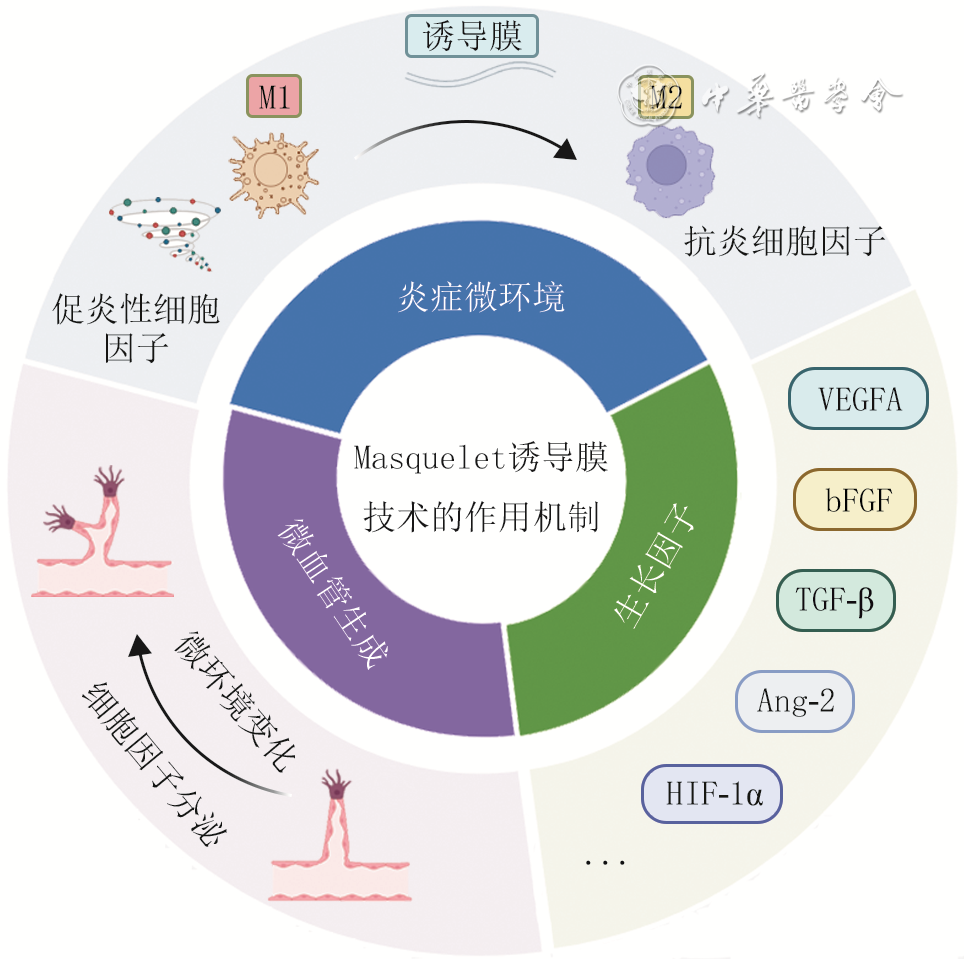
Diabetic wounds are hindered in the healing process due to chronic inflammation , vasculari-zation disorder, and abnormal expression of growth factors caused by the high glucose microenvironment. Masquelet induced membrane technique (hereinafter referred to as the induced membrane technique) creates a bioactive membrane composed of various cellular components and rich in growth factors and microvessels by inserting bone cement into the wound. The membrane mainly promotes wound healing by remodeling the inflammatory microenvironment, promoting functional angiogenesis, and producing endogenous growth factors. This article briefly explains the mechanism by which the induced membrane technique improves wound healing and summarizes its clinical application in diabetic wounds. It is expected to provide new ideas and effective means for the clinical treatment of difficult-to-heal diabetic wounds. Future research needs to focus on the key molecular pathways for the application of the induced membrane technique in therapy and the development of new membrane induction materials, so as to provide new strategies for the treatment of diabetic wounds.
A compulsory course in clinical treatment of burn patients: pain and analgesia
Nie Fachuan
2026, 42(3): 210-215. doi: 10.3760/cma.j.cn501225-20251014-00428
Abstract:
Based on the advancements in anesthesiology and pain medicine in recent years in addressing acute and chronic pain, this article expounds on the issues of pain and analgesia in burn clinical practice and provides systematic recommendations. It further introduces the relevant knowledge of neuropathic pain in burns, the risks and strategies of deep analgesia and sedation, as well as the respective advantages and disadvantages of nonsteroidal anti-inflammatory drug and opioids. Special emphasis is placed on the specificity of pain management in elderly and pediatric burn patients. This article proposed a relatively detailed implementation plan on the construction of a "painless burn unit", an important initiative that benefits the patients and facilitates the development of the discipline.
Original Article·Diabetic Wounds
Epidemiological characteristics of adult inpatients with diabetes-related chronic non-healing wounds in Hainan province
Yao Jiangling, Li Jiaxuan, Ming Xingchen, Gu Yuntao, Jiang Tao, Yang Jian, Bian Yangyang, Zheng Linyang, Wang Rong, Zeng Yunfu, Cheng Shaowen
2026, 42(3): 216-224. doi: 10.3760/cma.j.cn501225-20250606-00257
Abstract:
  Objective  To analyze the epidemiological characteristics of adult inpatients with diabetes-related chronic non-healing wounds in Hainan province.  Methods  This study was a retrospective cohort study. From July 2019 to July 2024, 1 372 adult inpatients with diabetes-related chronic non-healing wounds and conformed to the inclusion criteria were admitted to three hospitals in Hainan province, including 951 cases in the First Affiliated Hospital of Hainan Medical University, 287 cases in the Second Affiliated Hospital of Hainan Medical University, and 134 cases in Hainan Sino-German Orthopedic Hospital. The clinical data of patients were collected, including age, gender, occupation, disease duration and type of diabetes mellitus, underlying comorbidity, formation cause, type, location, and number of wounds, pathogenic microorganism culture result of wound secretion specimens on admission, treatment modality and outcome at discharge, and hospitalization duration and hospitalization costs of patients with different types of wounds.  Results  The patients were 18-96 years in age, with 892 patients aged ≥60 years. There were 889 males and 483 females, with 838 agricultural workers. The duration of diabetes mellitus was 10 (5,18) years, and 98.91% (1 357/1 372) of the patients had type 2 diabetes mellitus. Patients with diabetes mellitus were often combined with hypertension (678 cases), arterial disease (300 cases), and stroke (220 cases). The primary cause of wound formation was infection (930 cases). The predominant type of wounds was diabetic foot ulcer (809 cases), followed by other wounds (232 cases), pressure ulcers (187 cases), and traumatic ulcers (144 cases). The wounds were primarily located on feet (809 wounds) and lower legs (474 wounds) with single wound (997 cases). The pathogenic microorganism culture results of wound secretion specimens from 540 patients were positive, with a total of 606 strains of pathogenic microorganism detected, predominantly Gram-negative bacteria (324 strains). The main pathogenic microorganisms were Staphylococcus aureus (125 strains), Pseudomonas aeruginosa (71 strains), and Escherichia coli (71 strains). Fungal detection rate was high of 6.11% (37/606). The primarily wound treatment modalities included simple debridement (396 cases) and debridement combined with vacuum sealing drainage (444 cases). At discharge, the wounds in 84.62% (1 161/1 372) of the patients showed improvement, 11.30% (155/1 372) of the patients achieved wound healing, and 3.28% (45/1 372) of the patients experienced wound exacerbation; the other 0.80% (11/1 372) of the patients died. Patients with diabetic foot ulcer exhibited significantly longer hospitalization duration (18 (10, 29) d) and higher hospitalization costs (3.9 (2.1, 6.0) ten thousand yuan) compared with patients with pressure ulcer (14 (7, 21) d and 2.8 (1.5, 4.2) ten thousand yuan), traumatic ulcer (12 (6, 18) d and 2.3 (1.2, 3.5) ten thousand yuan), and other wounds (16 (8, 25) d and 3.1 (1.8, 5.0) ten thousand yuan), P<0.05.  Conclusions  The adult inpatients with diabetes-related chronic non-healing wounds in Hainan province are predominantly elderly male agricultural workers with underlying comorbidities. The detected predominant pathogenic microorganisms in wounds are Gram-negative bacteria, and fungal detection rate is high. Diabetic foot ulcer poses greater treatment burden, and patients with diabetic foot ulcers had significantly longer hospitalization duration and higher hospitalization costs compared with those of other wounds.
Clinical effects of antibiotic bone cement and VSD combined with free chimeric anterolateral thigh perforator myocutaneous flaps for sequential treatment of diabetic calcaneal osteomyelitis wounds
Zhong Yuhui, Cui Xu, Zhou Situo, Guo Le, Huang Mitao, He Zhiyou, Yang Haolin, Zeng Jizhang, Liang Pengfei, Zhang Pihong, Zhou Jie
2026, 42(3): 225-233. doi: 10.3760/cma.j.cn501225-20251129-00493
Abstract:
  Objective  To explore the clinical effects of antibiotic bone cement and vacuum sealing drainage (VSD) combined with free chimeric anterolateral thigh perforator myocutaneous flaps for sequential treatment of diabetic calcaneal osteomyelitis wounds.  Methods  This study was a retrospective investigation of case series. From June 2019 to June 2024, 12 patients with diabetic calcaneal osteomyelitis wounds who met the inclusion criteria were admitted to the Department of Burns and Plastic Surgery of Xiangya Hospital of Central South University, including 7 males and 5 females, aged 40 to 65 years. Of the 12 patients, 8 cases had Wagner grade Ⅲ wounds and 4 cases had Wagner grade Ⅳ wounds. Debridement+temporary antibiotic bone cement filling and coverage+VSD treatment was performed in stage Ⅰ, in which the wound area after debridement was 6 cm×5 cm to 18 cm×8 cm, and the bone defect volume was 1.0 cm×0.8 cm×0.5 cm to 1.8 cm×1.5 cm×0.8 cm. Free chimeric anterolateral thigh perforator myocutaneous flaps were used to repair the wounds in stage Ⅱ, in which the area of the perforator flap was 10.0 cm×5.0 cm to 20.0 cm×10.0 cm, and the area of the muscle flap was 3.0 cm×2.5 cm to 7.0 cm×6.0 cm. The wound in the flap donor area was directly sutured or repaired by split-thickness skin graft from the thigh. The white blood cell count, neutrophil, high-sensitivity C-reactive protein level, and microbial culture of wound secretion specimens at admission and 7 days after stage Ⅰ treatment, and the growth of wound-bed granulation tissue 7 days after stage Ⅰ treatment were recorded. After stage Ⅱ surgery, the flap survival and the wound healing in the donor and recipient areas were observed. During follow-up, the blood supply, appearance, and texture of the flap, whether ulcers and osteomyelitis recurred, the recovery of the donor areas, and the function of the affected limbs were observed.  Results  Seven days after stage Ⅰ treatment, the white blood cell count, neutrophil, and high-sensitivity C-reactive protein level of patients were 7.15 (6.73, 8.70)×109/L, 0.65 (0.63, 0.72), and 15.50 (12.48, 25.50) mg/L, respectively, which were significantly lower than 12.30 (11.28, 13.48)×109/L, 0.80 (0.78, 0.83), and 73.20 (57.25, 93.75) mg/L at admission (with Z values of -2.905, -2.825, and -3.059, respectively, P values all <0.05). At admission, the microbial culture results of wound secretion specimens were all positive, and the redness and swelling around the wound were obvious. Seven days after stage Ⅰ treatment, the microbial culture results of wound secretion specimens were all negative, there was no obvious redness or swelling around the wound, and the wound-bed granulation tissue grew well. After stage Ⅱ surgery, only two patients had a small area of ischemic epidermal necrosis at the distal end of the flap, and the wounds healed with delayed healing after dressing changes; the flaps of the other patients all survived well and the wounds in the recipient areas all healed smoothly; the donor area wounds of all patients healed well. Follow-up for 6 to 18 months showed that the blood supply and appearance of the flaps were good, and the texture was soft; no recurrence of ulcers was observed, and no obvious signs of recurrence of osteomyelitis were shown by X-ray examination; the donor areas recovered well without obvious scar hyperplasia, and the affected limbs were all able to perform weight-bearing activities.  Conclusions  Sequential treatment of diabetic calcaneal osteomyelitis wounds with antibiotic bone cement and VSD combined with free chimeric anterolateral thigh perforator myocutaneous flaps enables thorough removal of the infected lesions, and in addition, effective closure of deep dead space and soft tissue coverage of the calcaneus can be achieved. The short-term follow-up effect is good, and it is worthy of clinical promotion.
Comparison of the predictive efficacy of the Wagner, SINBAD, and WIfI grading systems for short-term wound non-healing and amputation in patients with DFUs
Xu Zihui, Duan Weizhe, Xie Weiguo, Tan Qin, Fu Xiuli, Wang Pei, Li Na, Liu Saiji, Xu Jinling, Wang Zhongjing
2026, 42(3): 234-243. doi: 10.3760/cma.j.cn501225-20251129-00494
Abstract:
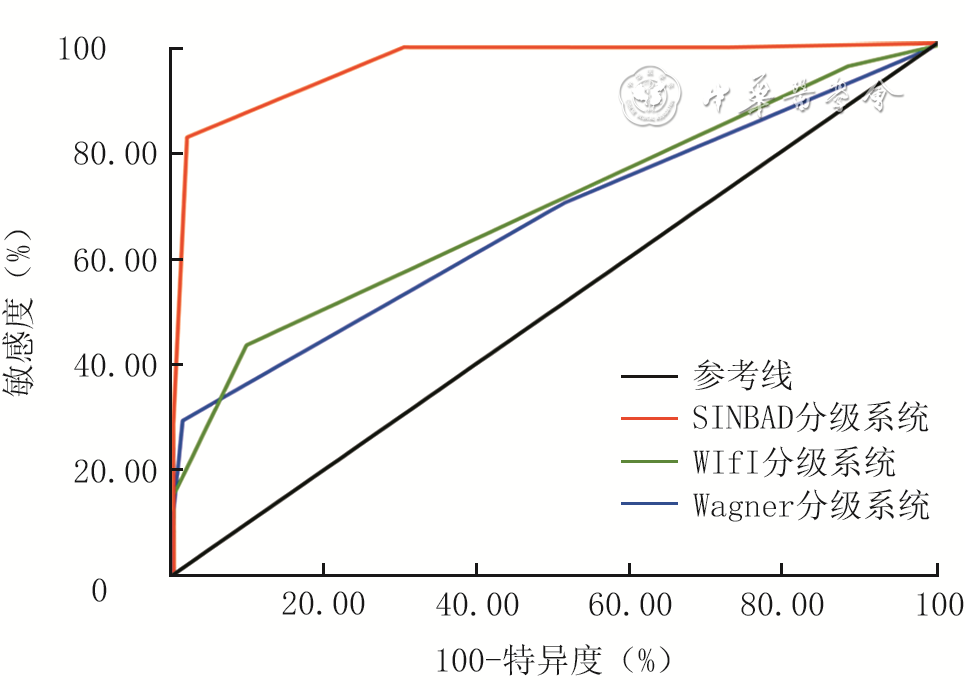
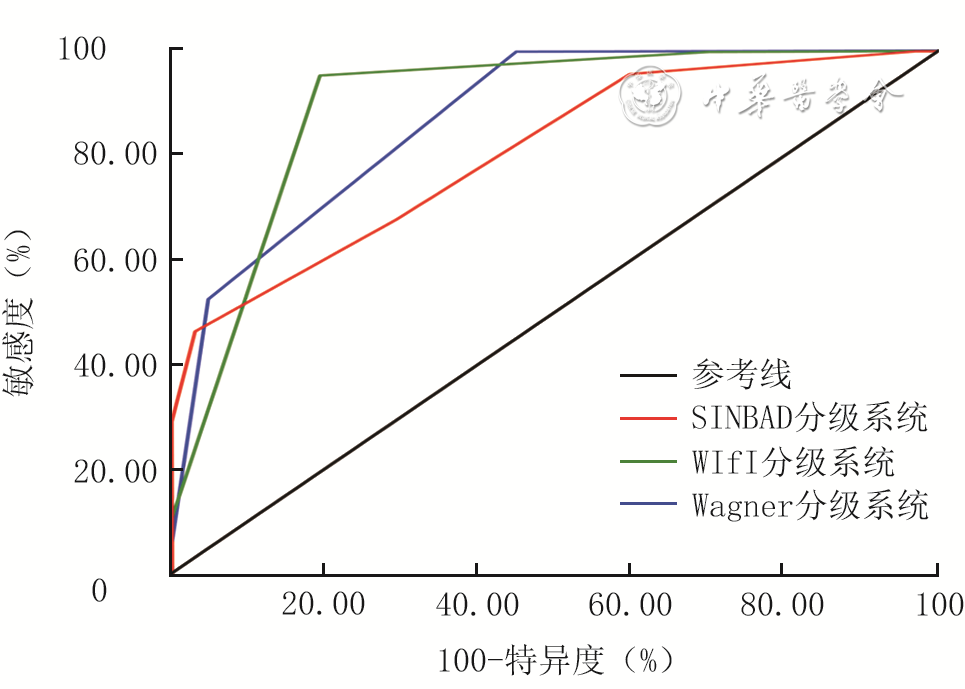
  Objective  To compare the predictive efficacy of the Wagner grading system, site, ischemia, neuropathy, bacterial infection, area, depth (SINBAD) grading system, and wound, ischemia and foot infection (WIfI) grading system for short-term wound non-healing and amputation in patients with diabetic foot ulcers (DFUs).  Methods  The study was a retrospective cohort study. From January 2023 to December 2024, 400 patients with DFUs who met the inclusion criteria were admitted to the Diabetic Foot Center of the Central Hospital of Wuhan of Tongji Medical College of Huazhong University of Science and Technology. All patients were assessed with Wagner grade, SINBAD score, and WIfI stage within 48 hours of admission. There were 232 males and 168 females, aged 44 to 83 years. Based on whether the wound had healed at 3 months after initial admission, patients were divided into healing group (194 cases) and non-healing group (206 cases); based on amputation, patients who underwent major or minor amputation were included in amputation group (255 cases), while the remaining patients were included in non-amputation group (145 cases); the Wagner grades, SINBAD scores, and WIfI stages of patients in each group were recorded. The amputation and non-healing wound at 3 months after initial admission in patients with different Wagner grades, SINBAD scores, and WIfI stages were compared. Spearman correlation analysis was used to assess the correlation between the Wagner grades, SINBAD scores, WIfI stages and the wound healing time in patients with DFUs. The receiver operating characteristic curves were plotted to evaluate the predictive efficacy of each grading system for non-healing wound at 3 months after initial admission (i.e., short-term wound non-healing) and amputation in patients with DFUs, and the DeLong test was used to compare the differences in the area under the receiver operating characteristic curve (AUROC) among the grading systems.  Results  The patients in non-healing group and amputation group had significantly higher Wagner grades, SINBAD scores, and WIfI stages than those in healing group and non-amputation group, respectively (with t values of 8.25, 19.78, and 9.87, 14.05, 11.73, and 16.45, respectively, P<0.05). Among patients with different Wagner grades, SINBAD scores, and WIfI stages, the proportion of amputees and the proportion of patients with non-healing wounds at 3 months after initial admission showed statistically significant differences (with χ2 values of 150.35 and 73.97, 133.84 and 221.10, 187.63 and 83.37, respectively, P<0.05). The Wagner grades, SINBAD scores, and WIfI stages were all significantly positively correlated with the wound healing time in patients with DFUs (with rs values of 0.52, 0.70, and 0.52, respectively, P<0.05). With wounds unhealed at 3 months after initial admission as the prognostic outcome, the SINBAD grading system had the highest AUROC of 0.96 (with 95% CI of 0.94-0.98) and a maximum Youden index of 0.80; the Wagner grading system showed an AUROC of 0.66 (with 95% CI of 0.61-0.72) and a maximum Youden index of 0.28; the WIfI grading system showed an AUROC of 0.69 (with 95% CI of 0.64-0.74) and a maximum Youden index of 0.33. The DeLong test indicated that the predictive efficacy of the SINBAD grading system for short-term wound non-healing in patients with DFUs was significantly superior to that of the Wagner grading system and WIfI grading system, respectively (with Z values of 12.52 and 12.97, respectively, P values both <0.05). With amputation as the prognostic outcome, the WIfI grading system had the highest AUROC of 0.89 (with 95% CI of 0.85-0.93) and a maximum Youden index of 0.75; the Wagner grading system showed an AUROC of 0.87 (with 95% CI of 0.83-0.91) and a maximum Youden index of 0.55; the SINBAD grading system showed an AUROC of 0.80 (with 95% CI of 0.76-0.84) and a maximum Youden index of 0.43. The DeLong test showed that the predictive efficacy of both the WIfI grading system and Wagner grading system for amputation in patients with DFUs was significantly superior to that of the SINBAD grading system, respectively (with Z values of 3.76 and 2.96, respectively, P<0.05).  Conclusions  The Wagner grading system, SINBAD grading system, and WIfI grading system can all effectively predict the risk of short-term wound non-healing and amputation in patients with DFUs. The SINBAD grading system performs the best in predicting short-term wound non-healing, while the WIfI grading system has an advantage in predicting amputation. Although the Wagner grading system has poorer predictive efficacy for short-term wound non-healing, it still demonstrates good predictive efficacy for amputation. In clinical practice, different grading systems can be used in combination based on the focus of assessment.
Original Article
Clinical application effects of the "novel three-longitude and five-transverse method" for perforator localization of anterolateral thigh chimeric flaps
Wu Xiangkui, Li Hai, Wu Bihua, Wei Zairong, Deng Chengliang
2026, 42(3): 244-251. doi: 10.3760/cma.j.cn501225-20240520-00188
Abstract:
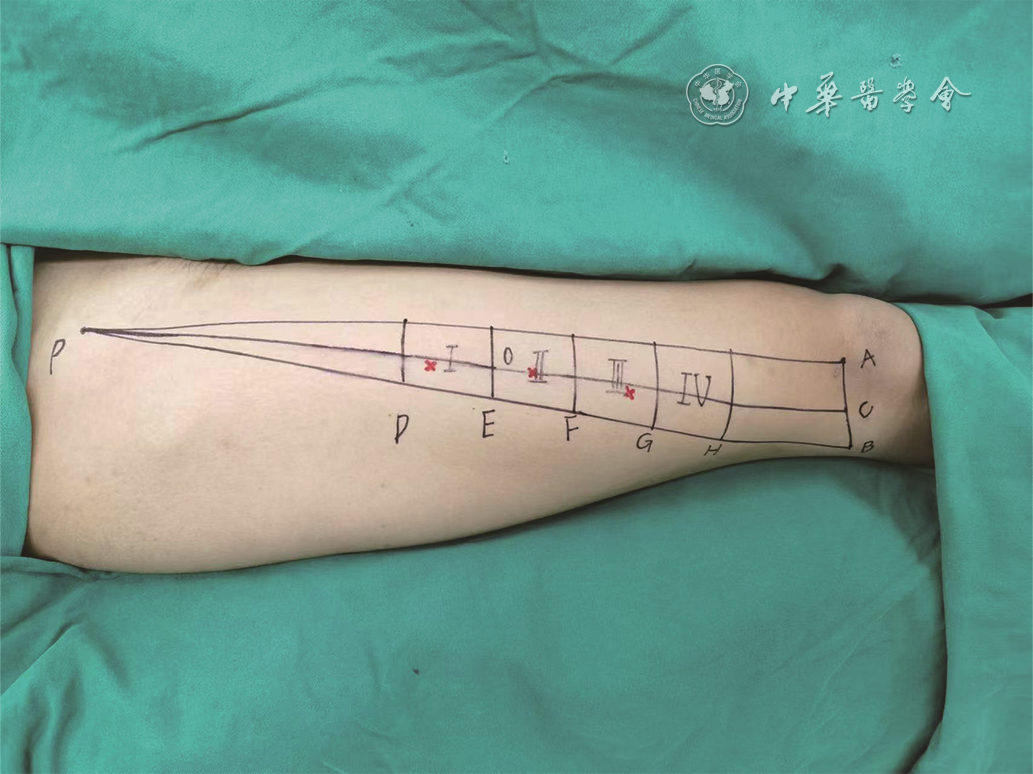
  Objective  To evaluate the clinical application effects of the "novel three-longitude and five-transverse method" for perforator localization in anterolateral thigh chimeric flaps.  Methods  This study was a retrospective study of case series. From June 2021 to June 2023, 15 patients with destructive limb wounds who met the inclusion criteria were admitted to the Affiliated Hospital of Zunyi Medical University. The wounds were located on the upper limbs in 5 cases and the lower limbs in 10 cases, with a post-debridement area ranging from 12 cm×5 cm to 22 cm×7 cm. The "novel three-longitude and five-transverse method" was employed. The anterior superior iliac spine was defined as Point P, the superolateral border of patella was defined as Point A, and the lateral femoral epicondyle was defined as Point B. Point P was connected with Points A and B to form Lines PA and PB. The Point P was connected to the midpoint of the line connecting Points A and B (Point C) to form Line PC. A perpendicular line was drawn from the midpoint of Line PA as Line E. Line E was translated 5 cm proximally to form Line D, while Lines F, G, and H were drawn 5, 10, and 15 cm distally, respectively. The intersections of Lines PA and PB with Lines D, E, F, G, and H were defined as Zones Ⅰ, Ⅱ, Ⅲ, and Ⅳ, respectively. Using Line PC as the flap axis, anterolateral thigh chimeric flaps were designed and harvested within the areas to repair the wounds. The area of harvested flap ranged from 13.0 cm×6.0 cm to 23.0 cm×8.0 cm. The donor site wounds were sutured with tension reduction. During surgery, the number and origin of perforators observed in each zone, as well as the vertical distance from the skin entry point of the perforator to Line PC were recorded. After surgery, flap survival was observed. During follow-up, the color, texture, appearance, and occurrence of complications of flaps, as well as the occurrence of hyperplastic scar formation and muscle herniation in donor sites were observed.  Results  During surgery, a total of 75 perforators was identified. Of those perforators, 18 were located in Zone Ⅰ (three originating from the oblique branch of lateral circumflex femoral artery and 15 originating from the descending branch of lateral circumflex femoral artery), 17 were located in Zone Ⅱ (all originating from the descending branch of lateral circumflex femoral artery), 21 were located in Zone Ⅲ (all originating from the descending branch of lateral circumflex femoral artery), and 19 were located in Zone Ⅳ (12 originating from the descending branch of lateral circumflex femoral artery and 7 originating from the peripheral vessels in distal thigh). The skin entry points of 24 perforators were located directly on Line PC, while the skin entry points of the other 51 perforators were located adjacent to it, with the vertical distances to Line PC all less than 1.0 cm. After surgery, one patient developed distal flap bruising, and two patients had minor exudation at the flap margin, which all healed after dressing changes. The flaps in the remaining patients survived smoothly. During the follow-up period of 6 to 40 months, all flaps demonstrated favorable color, texture, and appearance, with no complications observed; the scars in donor sites were mild, with no muscle herniation.  Conclusions  The "novel three-longitude and five-transverse method" can effectively locate anterolateral thigh chimeric flap perforators. The method is simple and reliable. The anterolateral thigh chimeric flaps designed and harvested based on this method have good clinical effect in repairing destructive limb wounds, which is worthy of promotion.
Clinical application effects of the "three-source and four-line method" in the design and harvest of anterolateral lower leg perforator flaps
Wu Chenglong, Zhang Yan, Cheng Junnan, Liu Yucheng, Cao Yang, Wang Guiyang, Wang Shi, Dong Shuai, Liu Yuefei, Ju Jihui
2026, 42(3): 252-260. doi: 10.3760/cma.j.cn501225-20250328-00148
Abstract:
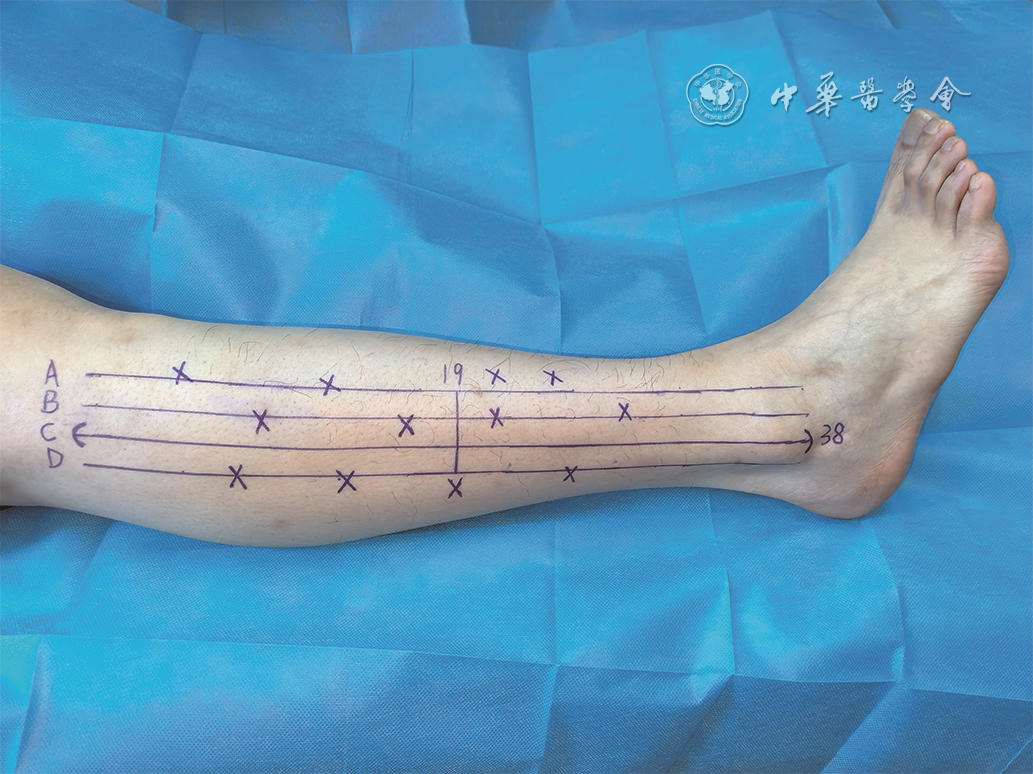
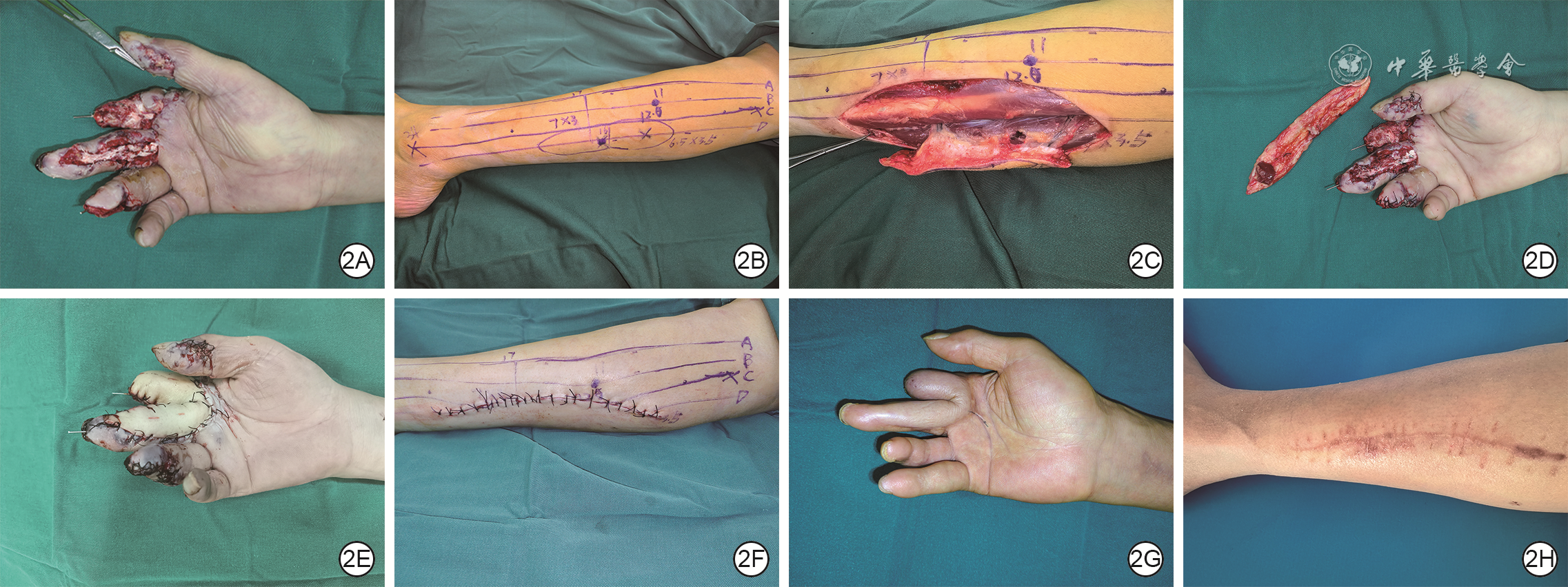
  Objective  To explore the clinical application effects of the "three-source and four-line method" in the design and harvest of anterolateral lower leg perforator flaps.  Methods  This study was a retrospective study of case series. From August 2023 to July 2024, the patients with hand or foot wounds who met the inclusion criteria were admitted to Suzhou Ruihua Orthopedic Hospital, including 24 patients from the Department of Hand Surgery and 6 patients from the Department of Foot and Ankle Surgery. There were 22 males and 8 females, aged 18 to 58 years. After debridement, the single wound area ranged from 2.0 cm×1.5 cm to 15.0 cm×4.5 cm. By applying the "three-source and four-line method", the line connecting the fibular head and the tip of the lateral malleolus was defined as Line C, representing the body surface marking line of the fibula; Line B was defined as Line C shifted 1.5 cm anteriorly, representing the axis of the superficial peroneal artery perforator flap; Line A was defined as Line C shifted 3.0 cm anteriorly, representing the axis of the anterior tibial artery perforator flap; Line D was defined as Line C shifted 1.5 cm posteriorly, representing the axis of the peroneal artery perforator flap. Then the color Doppler ultrasound detector was employed to identify perforators from the three vascular origins along Lines A, B, and D. Accordingly, anterolateral lower leg perforator flaps were designed and harvested to repair the wounds. A total of 35 flaps were harvested, with the single flap area ranging from 2.5 cm×2.0 cm to 16.0 cm×5.0 cm. The donor site wounds were closed by direct suturing. During surgery, the total number of actually used perforators, as well as the number, caliber, vascular pedicle length of perforators from different sources, and the vertical distances from the skin entry points of the perforators to their corresponding axes were recorded. After surgery, the flap survival was observed. During follow-up, the color, texture, and appearance of the flaps and the scar condition of donor sites were recorded. At the final follow-up, the flap repair outcome was evaluated using the flap comprehensive rating scale, and the excellent and good ratio of flap repair outcome was calculated.  Results  During surgery, a total of 38 perforators were actually used. Among them, 6 perforators originated from the anterior tibial artery, with a mean caliber of 0.47 mm, a mean vascular pedicle length of 4.33 cm, and a mean vertical distance from the skin entry point of the perforator to the Line A of 0.48 cm. Twenty perforators originated from the superficial peroneal artery, with a mean caliber of 0.51 mm, a mean vascular pedicle length of 5.25 cm, and a mean vertical distance from the skin entry point of the perforator to the Line B of 0.54 cm. Twelve perforators originated from the peroneal artery, with a mean caliber of 0.72 mm, a mean vascular pedicle length of 4.13 cm, and a mean vertical distance from the skin entry point of the perforator to the Line D of 0.43 cm. After surgery, all flaps survived smoothly. Follow up for 6 to 15 months showed the flaps exhibited favorable color, soft texture, and no obvious bulkiness; only linear scars were left at the donor sites. At the final follow-up, the scores of flap comprehensive rating scale ranged from 82 to 94 and the excellent and good ratio of flap repair outcome was 100% (35/35).  Conclusions  The "three-source and four-line method" has the advantages of simple operation and accurate perforator localization. It is helpful for flexible preoperative design and safe intraoperative harvest of the anterolateral lower leg perforator flaps with high clinical application value.
Role and mechanism of Wnt9a in human and mouse chronic wound healing
Jia Yanhui, Yuan Yixuan, Hu Dahai, Guan Hao
2026, 42(3): 261-270. doi: 10.3760/cma.j.cn501225-20241122-00457
Abstract:
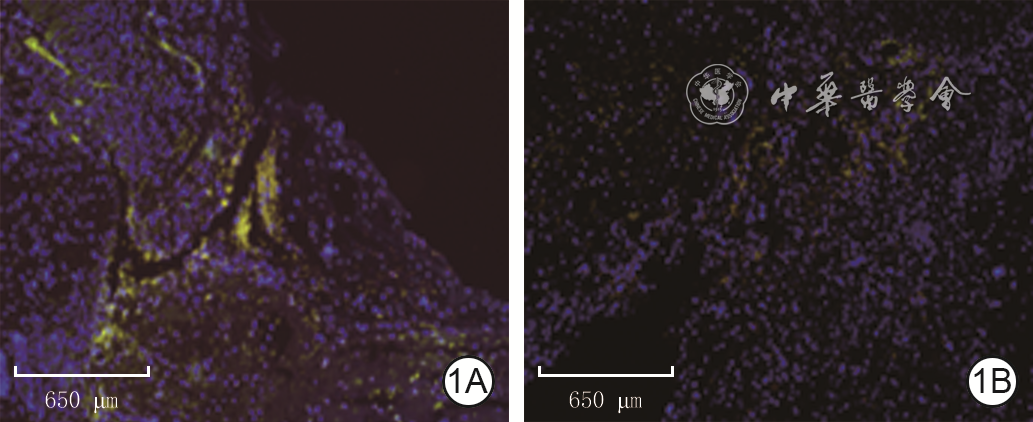
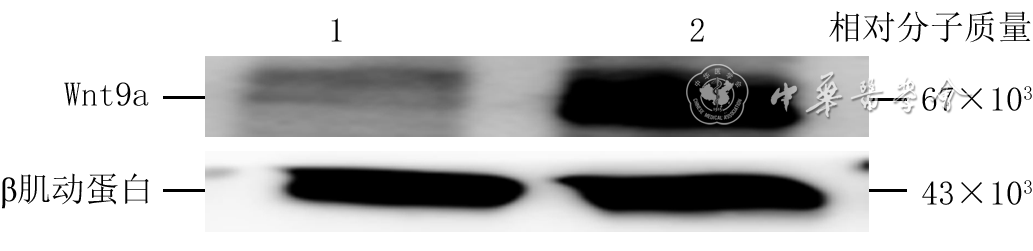
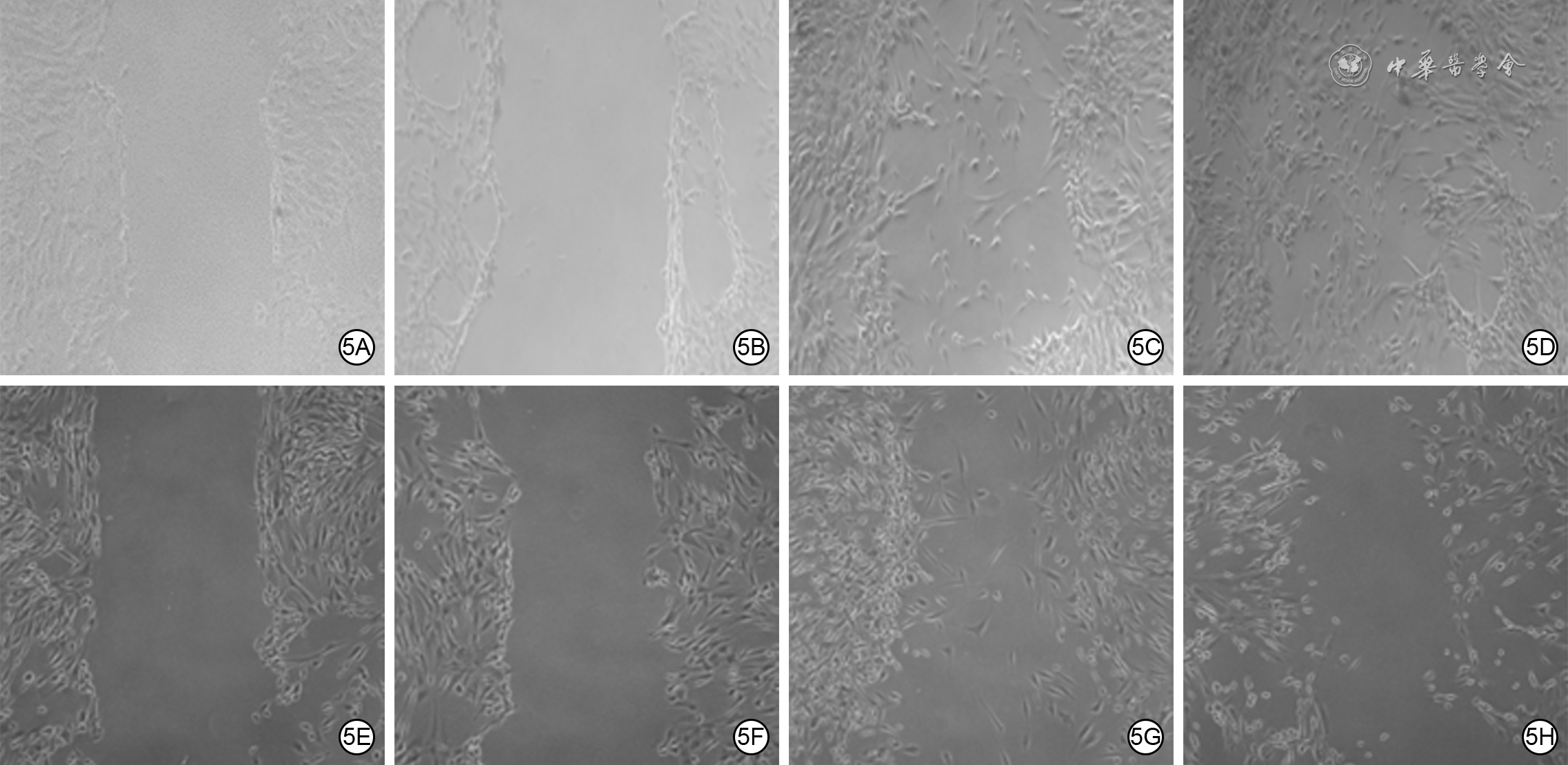
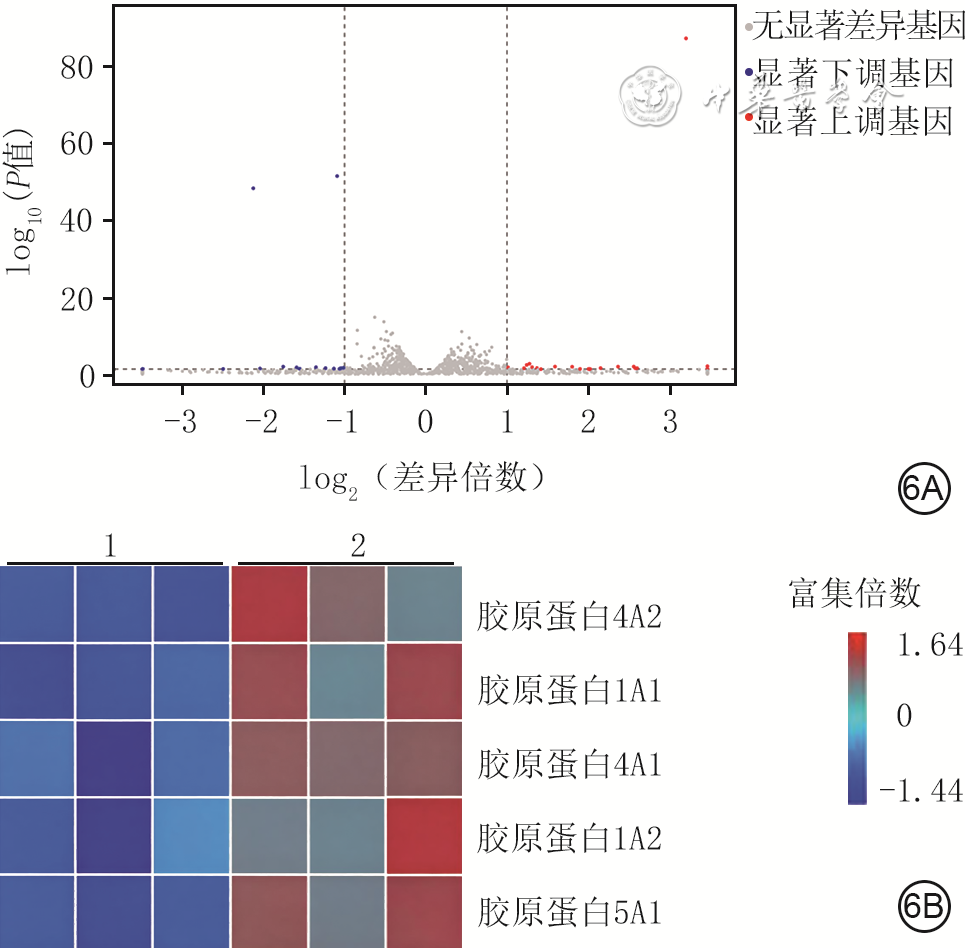
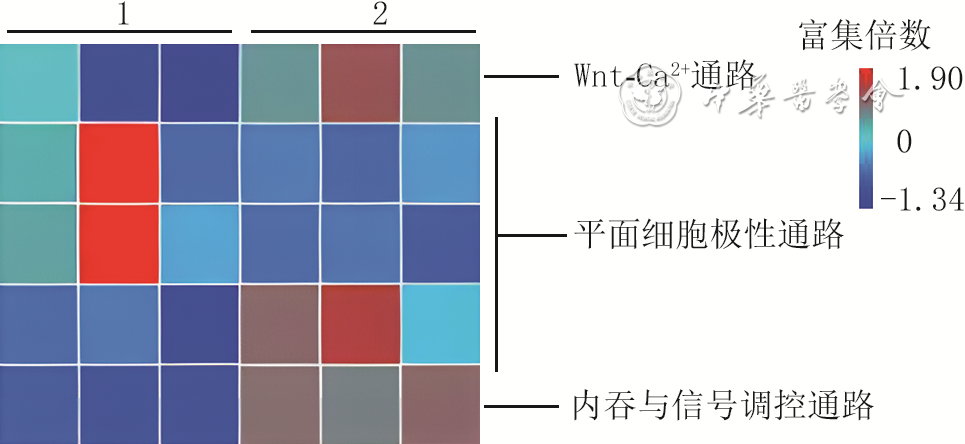
  Objective  To investigate the role and mechanism of Wnt9a in human and mouse chronic wound healing.  Methods  This study was a case series combined with group-designed basic study. The chronic wound tissue and its adjacent normal skin tissue were collected from 8 patients with diabetic foot ulcers, who received debridement surgery in the First Affiliated Hospital of Air Force Medical University from June to September 2023, including 5 males and 3 females, aged 45-72 years. The expression of Wnt9a was detected by enzyme-linked immunosorbent assay (ELISA) method and immunofluorescence method. Eight male C57BL/6 mice aged 6-8 weeks were used to establish a full-thickness skin resected wound on the back. They were divided into control group received no additional treatment and chronic wound group subcutaneously injected with mouse M1 macrophage derived exosomes at the wound edge to establish a chronic wound model using a random number table method (the same grouping method below), with 4 mice in each group. At 7 days after modeling, the Wnt9a expressions in the wound tissue of mice in two groups was detected by ELISA method. Additional 16 male C57BL/6 mice aged 6-8 weeks were used to establish the chronic wound model as before and were divided into empty control group and Wnt9a overexpression group, with 8 mice in each group, which were injected subcutaneously at the wound edge with enhanced green fluorescent protein empty adenovirus (AV-eGFP) and Wnt9a gene recombinant adenovirus expressing enhanced green fluorescent protein (AV-Wnt9a-eGFP), respectively. At 3, 7, and 14 days after modeling, the percentages of residual wound area were calculated. At 14 days after modeling, the expressions of type Ⅰ and type Ⅲ collagen were detected by Western blotting, and the arrangement of collagen fibers was observed after Masson staining. The normal human skin tissue collected in the abovementioned experiment was used to isolate fibroblasts (Fbs), which were divided into empty control group infected with AV-eGFP and Wnt9a overexpression group infected with AV-Wnt9a-eGFP. The protein expression of Wnt9a at 72 h after infection was detected by Western blotting; at 48 h after infection, the cell migration rate at 48 h after scratching was detected by scratch test. Additional normal human skin Fbs were collected and divided into Wnt9a specific small interfering RNA (siRNA-Wnt9a) group and negative control small interfering RNA (siRNA-NC) group, which were transfected with corresponding small interfering RNA, respectively. At 24 h after transfection, the cell migration rate at 48 h after scratching was detected by scratch test. Additional normal human skin Fbs were taken and divided into empty control group and Wnt9a overexpression group treated as before. At 72 h after infection, transcriptome sequencing was performed to screen for differentially expressed genes (DEGs), and the gene ontology and Kyoto encyclopedia of genes and genomes enrichment analysis were performed. The sample number in all cell experiments was 3.  Results  The results of both ELISA method and immunofluorescence method showed that the expression level of Wnt9a in human chronic wound tissue was significantly lower than that in normal skin tissue (with t values of 7.68 and 10.25, respectively, P<0.05). At 7 days after modeling, the expression level of Wnt9a in the wound tissue of mice in chronic wound group was significantly lower than that in control group (t=5.12, P<0.05). The percentages of residual wound area of mice in Wnt9a overexpression group were significantly lower than those in empty control group at 3, 7, and 14 days after modeling (with t values of 3.90, 6.62, and 5.73, respectively, P<0.05). At 14 days after modeling, the expression levels of type Ⅰ and type Ⅲ collagen in the wound tissue of mice in Wnt9a overexpression group were significantly lower than those in empty control group (with t values of 6.25 and 5.48, respectively, P<0.05). At 14 days after modeling, the collagen fibers in the wound tissue of mice in Wnt9a overexpression group arranged more orderly than those in empty control group. At 72 h after infection, the protein expression level of Wnt9a in cells in Wnt9a overexpression group was significantly higher than that in empty control group (t=6.96, P<0.05). At 48 h after infection, the cell migration rate in Wnt9a overexpression group was (71.6±6.4)% at 48 h after scratching, which was significantly higher than (38.5±2.4)% in empty control group (t=8.31, P<0.05). At 24 h after transfection, the cell migration rate in siRNA-Wnt9a group was (15.4±3.2)% at 48 h after scratching, which was significantly lower than (31.9±3.6)% in siRNA-NC group (t=5.93, P<0.05). At 72 h after infection, compared with that in empty control group, the significantly downregulated DEGs in cells in Wnt9a overexpression group included multiple collagen family genes, and the genes in cells in Wnt9a overexpression group were significantly enriched in the non-classical Wnt signaling pathway.  Conclusions  Wnt9a expression is downregulated in chronic wound tissue of human and mice, and the overexpression of Wnt9a may promote migration of Fbs and collagen remodeling through non-classical Wnt signaling pathway, thereby accelerating chronic wound healing.
Effects of polyvinyl alcohol-boric acid-based functionalized hydrogels on HSFs and HaCaT cells
Song Wei, Zhang Chao, Kong Yue, He Muchun, Ren Kehao, Li Kejia, Li Zhao, Yu Bingyang, Tian Feng, Zhu Meng, Ju Xiaoyan, Tian Ye, Huang Sha, Niu Zhongwei
2026, 42(3): 271-280. doi: 10.3760/cma.j.cn501225-20250825-00365
Abstract:
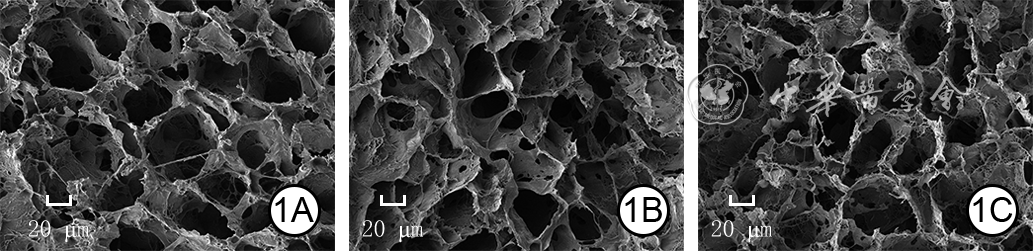
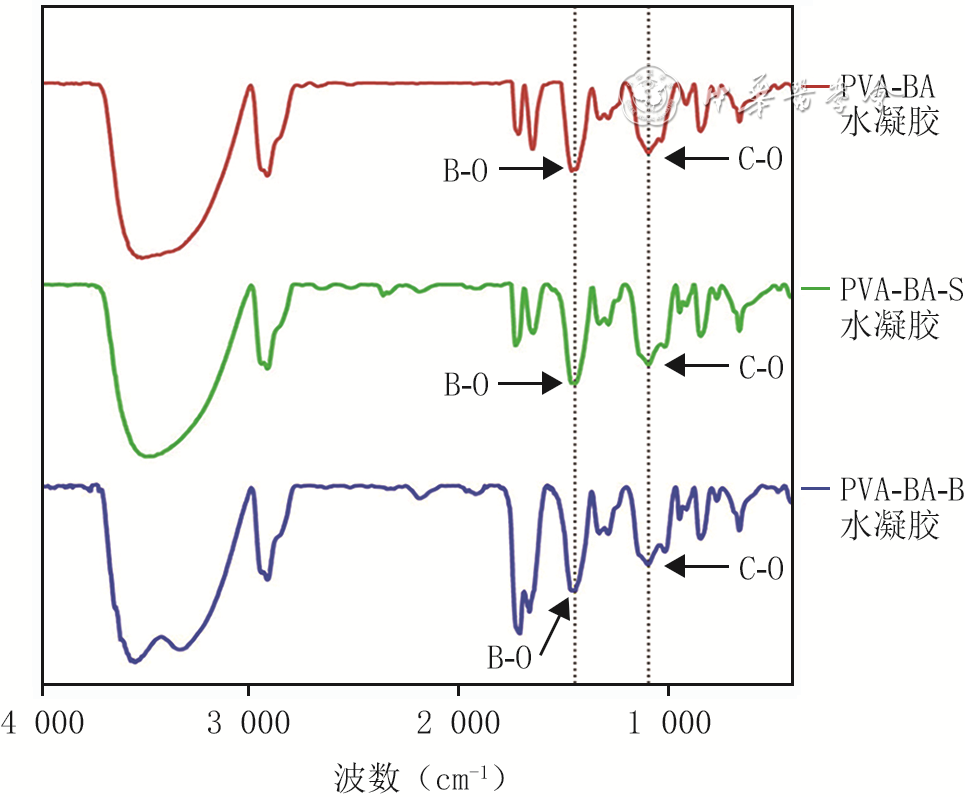
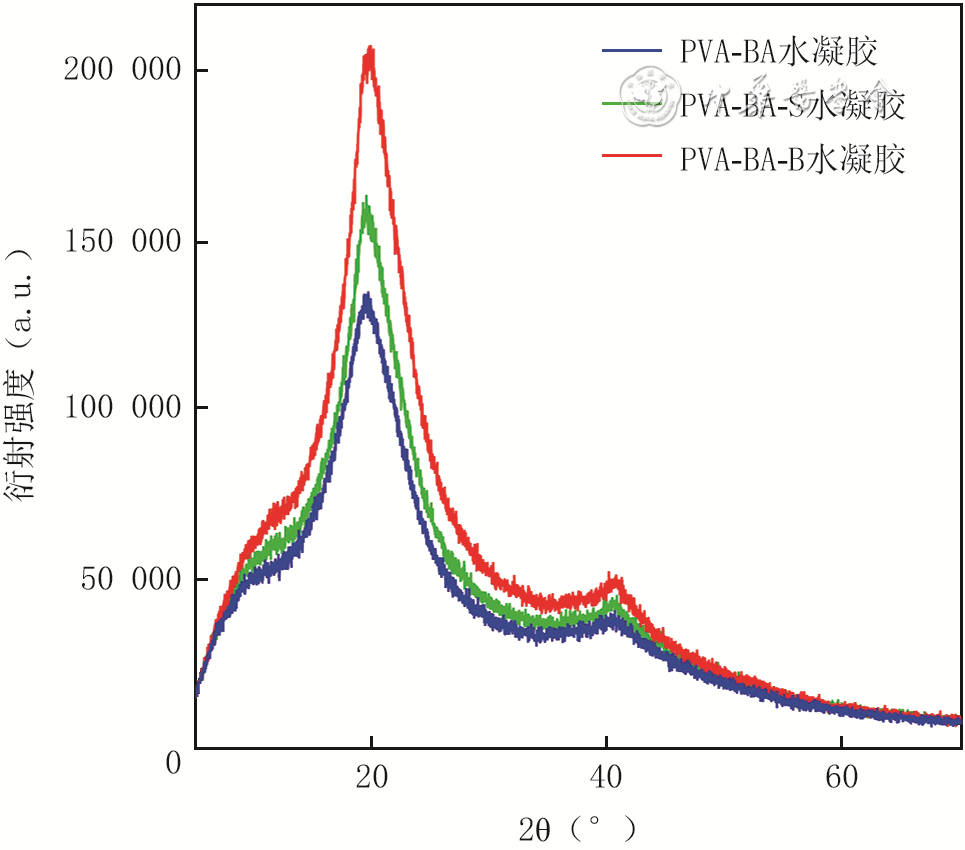
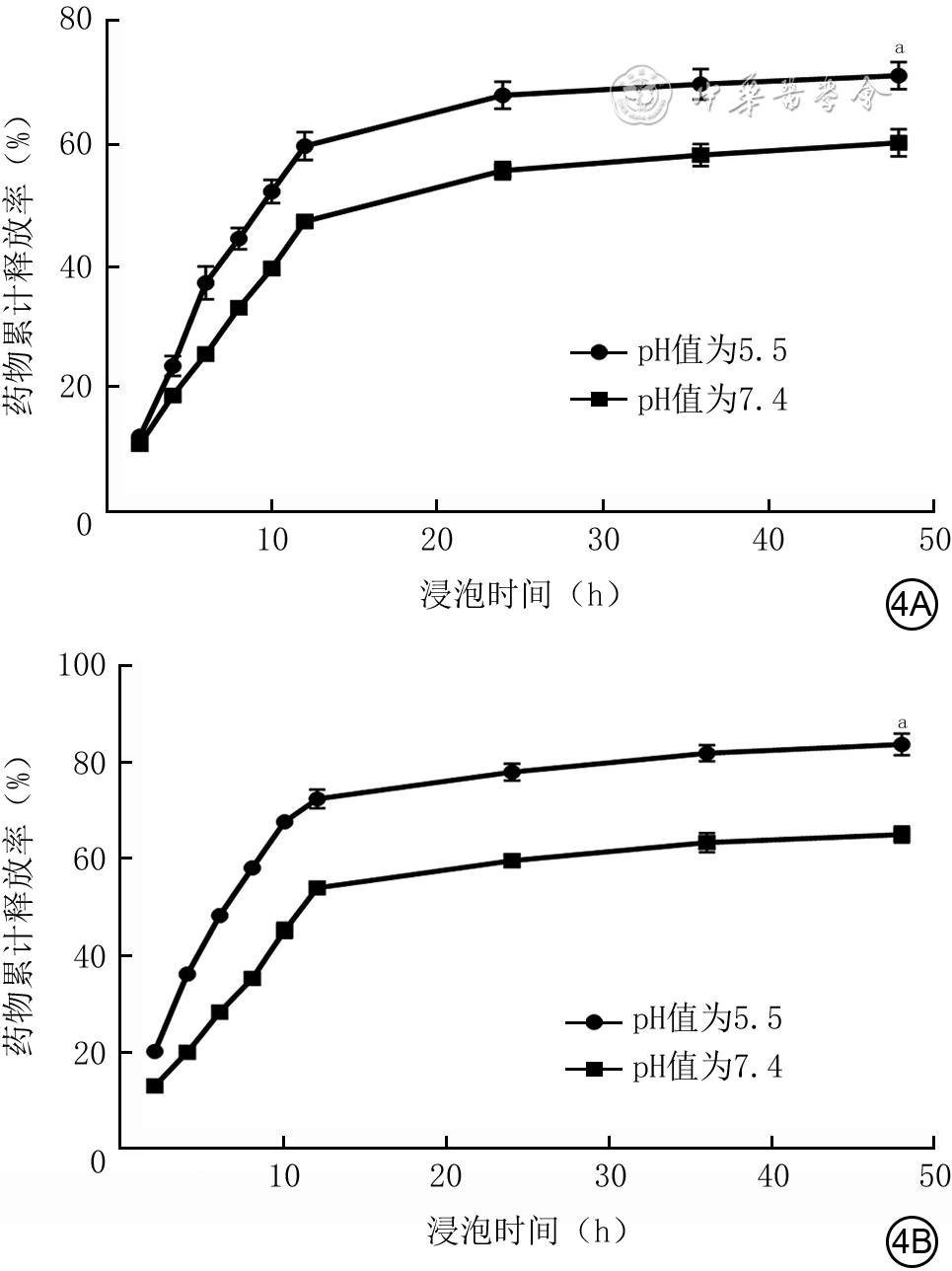
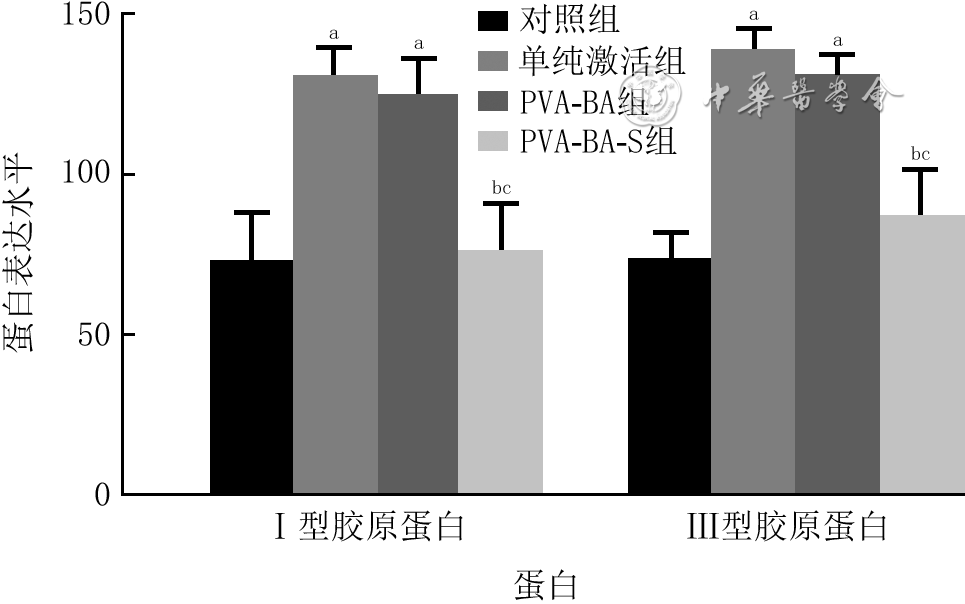
  Objective  To investigate the effects of polyvinyl alcohol-boric acid (PVA-BA)-based functionalized hydrogels on human skin fibroblasts (HSFs) and HaCaT cells, providing experimental evidences for subsequent in vivo studies on wound repair and clinical translation of this hydrogel system.  Methods  This study was an experimental investigation based on grouped and repeated measures designs. Based on PVA-BA, a freeze-thaw cycling method was employed to prepare PVA-BA hydrogel, PVA-BA-S hydrogel loaded with SB431542 at a final molarity of 5 μmol/L, and PVA-BA-B hydrogel loaded with BML-284 at a final molarity of 1 μmol/L. Fourier transform infrared spectroscopy and X-ray diffraction were employed respectively to characterize the characteristic absorption peaks and diffraction peaks of the above-mentioned three hydrogels. The drug release of PVA-BA-S hydrogel and PVA-BA-B hydrogel in phosphate-buffered saline (PBS) at pH 5.5 and 7.4 was detected by liquid chromatography, and the cumulative drug release rate at 48 hours of immersion was calculated. According to the random number table method, HSFs were divided into control group with conventional culture, activation-only group with conventional culture after treatment with recombinant human transforming growth factor-β1 (TGF-β1) protein for 24 hours, as well as PVA-BA group and PVA-BA-S group cultured with PVA-BA hydrogel extract and PVA-BA-S hydrogel extract, respectively, after treatment with recombinant human TGF-β1 protein for 24 hours. After 24 hours of culture, mRNA expression levels of TGF-β signaling pathway-related factors α-smooth muscle actin (α-SMA), TGF-β, Smad2, Smad3, type Ⅰ collagen (COL Ⅰ), and COL Ⅲ in HSFs were detected using real-time fluorescence quantitative reverse transcription polymerase chain reaction. Protein expression levels of COL Ⅰ and COL Ⅲ in HSFs were assessed via the immunofluorescence method. According to the random number table method, HaCaT cells were divided into control group with conventional culture, PVA-BA group cultured with PVA-BA hydrogel extract, and PVA-BA-B group cultured with PVA-BA-B hydrogel extract. After 24 hours of culture, mRNA expression levels of Wnt signaling pathway-related factors β-catenin, matrix metalloproteinase-9 (MMP-9), E-cadherin, and N-cadherin in HaCaT cells were detected by real-time fluorescence quantitative reverse transcription polymerase chain reaction. The protein expression level of keratin 5 was assessed via the immunofluorescence method. Except for characterization, the sample size for each experiment was 3.  Results  The Fourier transform infrared spectroscopy spectra of the PVA-BA hydrogel, PVA-BA-S hydrogel, and PVA-BA-B hydrogel all exhibited stretching vibration peaks corresponding to C-O and B-O bonds within the B-O-C group at wavenumbers of 1 100 and 1 450 cm⁻¹, and the X-ray diffraction patterns all formed a sharp diffraction peak at around 20°. At 48 hours of immersion, the cumulative drug release rate of PVA-BA-S hydrogel in PBS at pH 5.5 was (70.9±2.3)%, which was significantly higher than (60.0±2.2)% in PBS at pH 7.4 (t=6.02, P<0.05); the cumulative drug release rate of PVA-BA-B hydrogel in PBS at pH 5.5 was (83.9±2.2)%, which was significantly higher than (65.2±1.7)% in PBS at pH 7.4 (t=11.63, P<0.05). After 24 hours of culture, the mRNA expression levels of TGF-β, COL Ⅰ, COL Ⅲ, and Smad3 of HSFs in PVA-BA-S group were significantly higher than those in control group (P<0.05), the mRNA expression levels of TGF-β, COL Ⅰ, COL Ⅲ, α-SMA, Smad2, and Smad3 were significantly lower than those in activation-only group and PVA-BA group (P<0.05), and the protein expression levels of COL Ⅰ and COL Ⅲ of HSFs in PVA-BA-S group were significantly lower than those in activation-only group and PVA-BA group (P<0.05). After 24 hours of culture, compared with those in control group and PVA-BA group, the PVA-BA-B group showed significantly increased mRNA expression levels of β-catenin, MMP-9, and N-cadherin (P<0.05) and a significantly decreased mRNA expression level of E-cadherin (with P values both <0.05) in HaCaT cells; the protein expression level of keratin 5 of HaCaT cells in PVA-BA-B group was significantly higher than that in control group and PVA-BA group (with P values both <0.05).  Conclusions  The PVA-BA-based PVA-BA-S and PVA-BA-B hydrogels can effectively inhibit the fibrotic phenotype of activated HSFs and enhance the migratory ability of HaCaT cells by regulating the TGF-β signaling pathway and Wnt signaling pathway, respectively, providing a novel drug delivery strategy for functional wound healing.
Medium- and long-term clinical efficacy of tibial transverse transport surgery in the treatment of diabetic foot ulcers
Liu Siwen, Jia Zhongwei, Zhang Zihang, Guo Zhao, Zhang Xiangxiang, Luo Qian
2026, 42(3): 281-289. doi: 10.3760/cma.j.cn501225-20241028-00417
Abstract:
  Objective  To investigate the medium- and long-term clinical efficacy of tibial transverse transport (TTT) surgery in the treatment of diabetic foot ulcers (DFU).  Methods  This study was a retrospective cohort study. From January 2015 to December 2022, 87 patients with DFU who met the inclusion criteria were admitted to the Department of Orthopedics of Shanxi Provincial People's Hospital. There were 70 males and 17 females, aged (59±11) years. The patients were treated with TTT surgery. At 3 months, 6 months, 1 year, 2 years, and 3 years postoperatively, the number of cases due to amputation, death, or loss to follow-up of patients was 85, 82, 77, 73, and 63, respectively. Data including the ankle brachial index (ABI), number of 10 g monofilament test points, Michigan neuropathy screening instrument (MNSI) physical examination score, visual analogue scale (VAS) score of pain, and toe oxygen saturation of the affected feet were recorded before surgery and at 1 month, 3 months, 6 months, 1 year, 2 years, and 3 years after surgery. The occurrence of complications, such as fractures and infections, wound healing, and amputation were recorded within 3 years after surgery.  Results  The levels of ABI of the affected feet were 0.70 (0.65, 0.76), 0.93 (0.83, 1.01), 0.96 (0.86, 1.06), 0.93 (0.88, 1.01), 0.91 (0.86, 0.97), and 0.90 (0.81, 0.97) at 1 month, 3 months, 6 months, 1 year, 2 years, and 3 years after surgery, which were significantly higher than 0.55 (0.47, 0.62) before surgery (P<0.05). At 1 month, 3 months, 6 months, 1 year, 2 years, and 3 years after surgery, the number of 10 g monofilament test points of the affected feet was significantly more than that before surgery (P<0.05), the VAS scores of pain and MNSI physical examination scores of the affected feet were significantly lower than those before surgery (P<0.05), and the levels of toe oxygen saturation of the affected feet were significantly higher than those before surgery (P<0.05). Within 3 years after surgery, 3 patients experienced fractures at the bone transport site, and 4 patients developed infections at the pin tract and incision, all of whom recovered with conservative treatment; the wounds healed in 80 patients, and 7 patients underwent amputation.  Conclusions  The TTT surgery applied in treating patients with DFU can significantly improve lower limb blood supply and foot microcirculation, alleviate pain, and enhance nerve conduction function and foot sensation, with few postoperative complications and remarkable results in wound healing and limb salvage, and maintain good overall efficacy within 3 years after surgery.
Review·Diabetic Wounds
Research advances on the targeted programmed cell death regulatory network for treatment of refractory diabetic wounds
Zhang Zihan, He Weifeng
2026, 42(3): 290-296. doi: 10.3760/cma.j.cn501225-20251106-00460
Abstract:
Refractory diabetic wounds are severe complications of diabetes mellitus, for which conventional treatments yield limited efficacy. Recent studies have demonstrated that the core pathogenesis lies in the dysregulation of the programmed cell death regulatory network induced by the hyperglycemic microenvironment. Specifically, excessive activation of lytic cell death such as necroptosis, ferroptosis, and pyroptosis drives persistent inflammation; while impairment of non-lytic cell death including apoptosis and cytoprotective autophagy as well as efferocytosis dysfunction results in impaired initiation of the inflammation resolution program. Distinct cell death pathways form a dynamic network through shared regulatory hubs and downstream signaling crosstalk, ultimately locking the wound in a vicious cycle of "cell death—inflammation—repair impairment". This review systematically elaborates on the dysregulation characteristics and interaction mechanisms of the programmed cell death regulatory network in diabetic wounds, and discusses the application prospects of combination therapies and precision stratified treatment.
Review
Research progress on the application of ultrasound technology in the diagnosis and treatment of lymphedema
Tang Zeyao, Liu Rong, Deng Chengliang
2026, 42(3): 297-302. doi: 10.3760/cma.j.cn501225-20250228-00104
Abstract:
Lymphedema is a chronic progressive disease caused by abnormal development of the lymphatic system or lymphatic reflux disorder caused by congenital or acquired factors, early diagnosis and treatment of lymphedema are crucial for controlling the patient's condition. Traditional imaging methods (such as lymphoscintigraphy and magnetic resonance lymphography) have problems such as high cost, radiation exposure, or technical limitations in the diagnosis and evaluation of lymphedema. Ultrasound technology has become one of the core tools for diagnosis and treatment of lymphedema due to its advantages of non-invasive, real-time dynamic imaging, and repeatability. Therefore, we summarized the different characteristics of various ultrasound techniques for lymphedema in the diagnosis and treatment. Although ultrasound technology has significant advantages, there are still challenges such as operator dependence and limited deep tissue imaging. Doctors should select appropriate examination methods according to the specific conditions and characteristics of patients, so as to achieve the purpose of accurate diagnosis and selection of the best diagnosis and treatment plan.