Abstract:
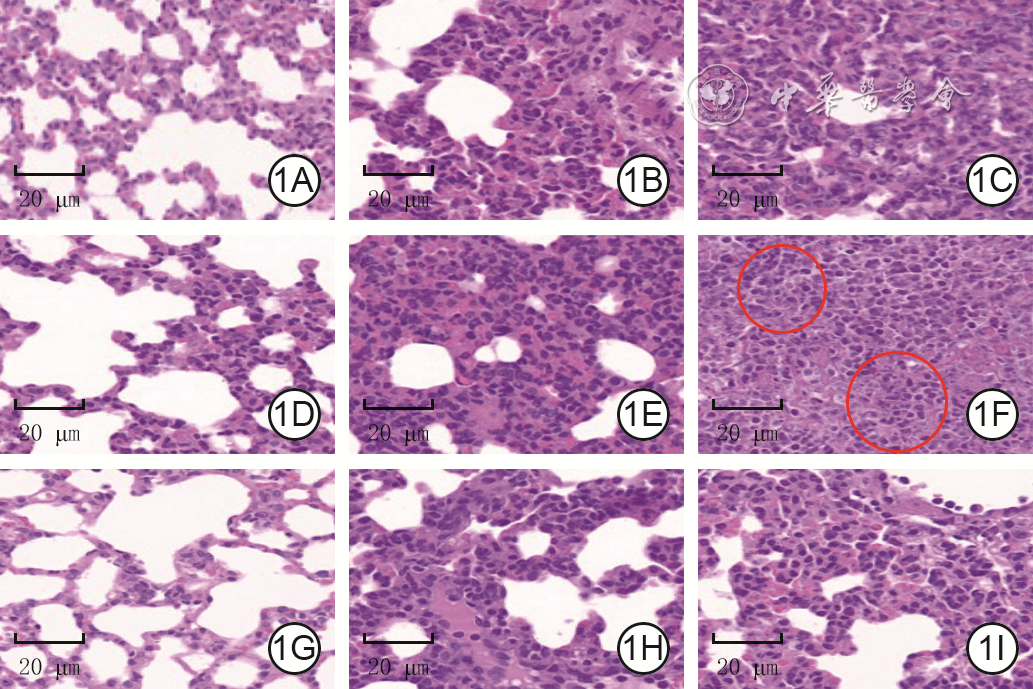
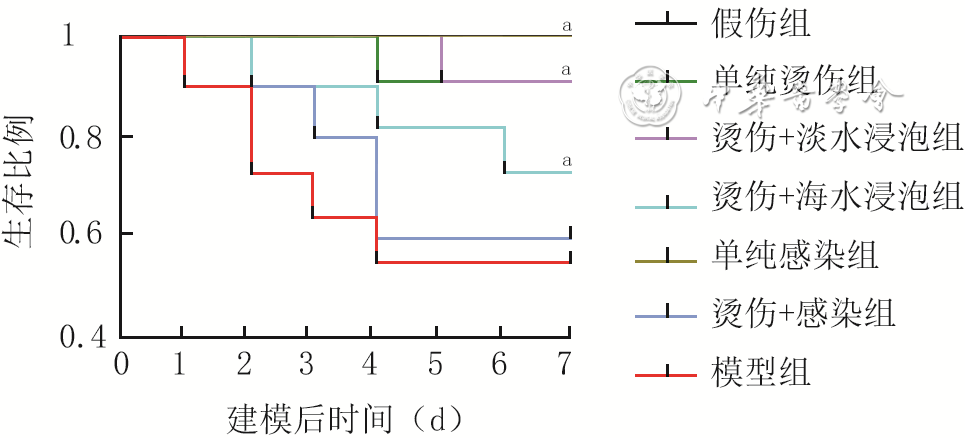
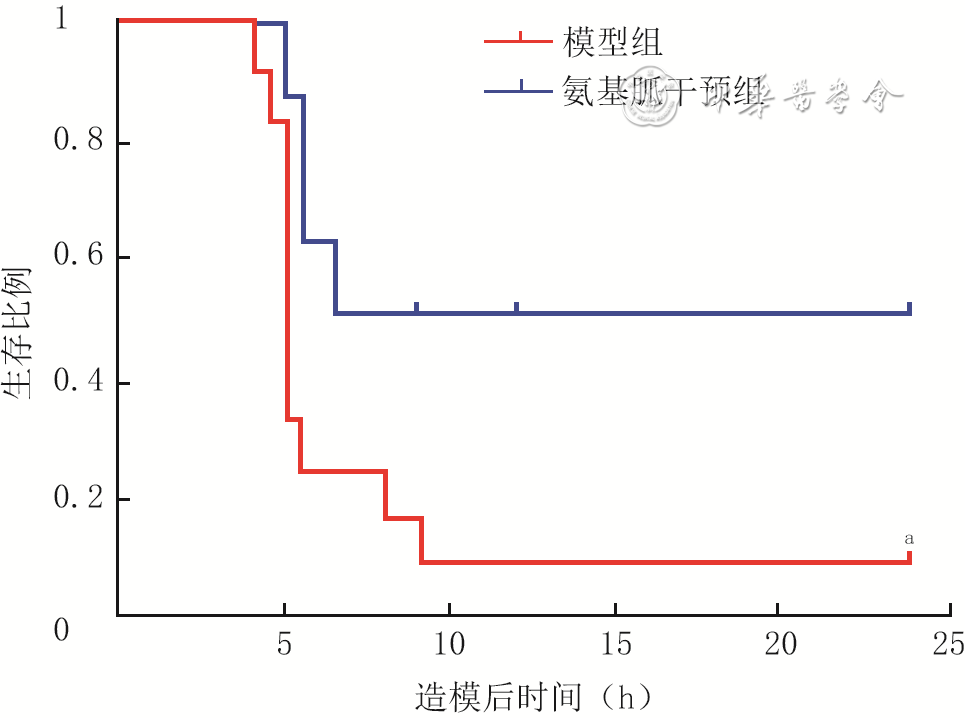
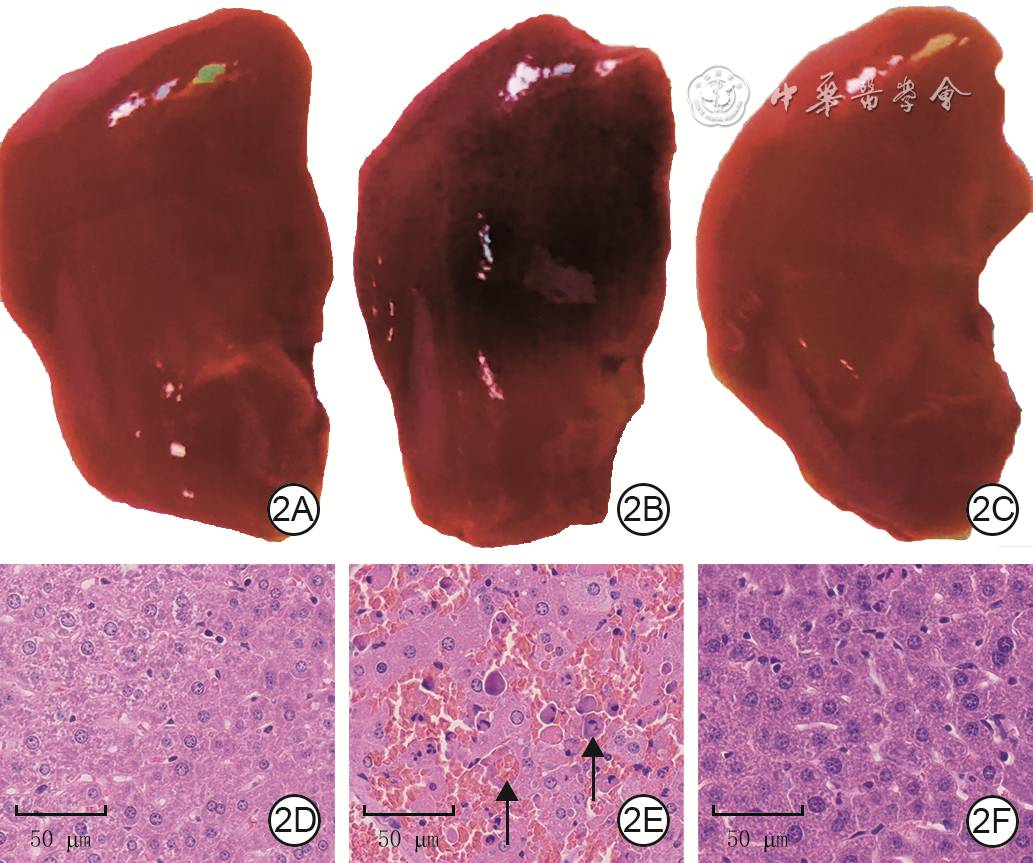
Objective To establish a rat model of sepsis by seawater immersion combined with Vibrio vulnificus infection after scald, providing an experimental basis for research on marine burn trauma-associated sepsis. Methods This study employed factorial design and was an experimental study. One hundred and fifteen male Sprague Dawley rats aged 8 weeks were allocated into three groups using a random number table method (the same grouping method applied below): model group (n=45), scald-only group (n=40), and sham injury group (n=30). Rats in the first two groups received dorsal scald injury, followed by either artificial seawater immersion for 30 min+injection of Vibrio vulnificus or injection of normal saline, respectively. In sham injury group, the dorsal region was immersed in warm water to induce sham injury, followed by injection of normal saline. On day 1, 3, and 5 after modeling, the pathological changes in the liver, kidney, lung, and heart in the three groups of rats were assessed using hematoxylin-eosin staining, and the pathological damage of the aforementioned organs was evaluated using a semi-quantitative scoring system. According to the instructions of the kit, a microplate reader was used to detect the serum levels of aspartate aminotransferase (AST), alanine aminotransferase (ALT), urea nitrogen, creatinine, creatine kinase isoenzyme (CK-MB), lactate dehydrogenase (LDH), and myeloperoxidase (MPO) in the three groups of rats. Fresh lung tissue in the three groups of rats was weighed and then dried to a constant weight to calculate the lung wet-to-dry weight ratio. In addition, the proportions of helper T cells, B cells, and cytotoxic T cells in peripheral blood of rats in scald-only group and model group were determined by flow cytometry. Serum levels of inflammatory factors in the three groups of rats, including interleukin-6 (IL-6), IL-10, IL-1β, and tumor necrosis factor-α (TNF-α), were measured using enzyme-linked immunosorbent assay method. An additional 70 male Sprague Dawley rats aged 8 weeks were assigned into seven groups (with 10 rats in each group): sham group, scald-only group, scald+freshwater immersion group, scald+seawater immersion group, scald+infection group, infection-only group, and model group. The rats in model group, scald-only group, and sham injury group were treated as before. The rats in scald+freshwater immersion group and scald+seawater immersion group were first received dorsal scald injury, followed by 30 min immersion in freshwater or artificial seawater, respectively. Rats in infection-only group received subcutaneous injection of Vibrio vulnificus. Rats in scald+infection group first received dorsal scald injury and then injected with Vibrio vulnificus 30 min after injury. Within 7 days after modeling, the survival status of the rats was observed daily and their survival rates were calculated. Results On day 1, 3, and 5 after modeling, the tissue structures of the liver, kidney, lung, and heart of rats in sham injury group were basically normal, and no obvious pathological damage was observed; the tissue of the aforementioned organs of rats in scald-only group had mild to moderate inflammatory reactions, with loose cytoplasm and obvious cellular edema, but the overall structure was basically normal; the tissue of the aforementioned organs of rats in model group showed obvious pathological changes, with the most severe changes on day 3 after modeling, mainly manifested as severe inflammatory reactions, tissue damage, and even necrosis. Compared with those in sham injury group, the pathological injury scores for the liver, kidney, lung, and heart of rats in model group were significantly increased on day 1, 3, and 5 after modeling (P<0.05). Compared with those in scald-only group, pathological injury scores for the liver, kidney, lung, and heart of rats in model group were significantly increased on day 1 after modeling (P<0.05), and pathological injury scores for the liver, kidney, and lung were significantly increased on day 3 and 5 after modeling (P<0.05). Compared with those in sham injury group, the serum levels of AST, ALT, urea nitrogen, creatinine, CK-MB, LDH, and MPO, as well as the lung wet-to-dry weight ratio of rats in model group were significantly increased on day 1 after modeling (P<0.05), and the serum levels of AST, ALT, urea nitrogen, creatinine, LDH, and MPO, as well as the lung wet-to-dry weight ratio were significantly increased on day 3 and 5 after modeling (P<0.05). Compared with those in scald-only group, the serum levels of AST, ALT, urea nitrogen, creatinine, CK-MB, LDH, and MPO, as well as the lung wet-to-dry weight ratio of rats in model group were significantly increased on day 1 after modeling (P<0.05), the serum levels of AST, ALT, creatinine, and LDH were significantly increased on day 3 after modeling (P<0.05), and the serum levels of AST, ALT, creatinine, LDH, and MPO were significantly increased on day 5 after modeling (P<0.05). On day 1, 3, and 5 after modeling, compared with those in sham injury group, the proportions of helper T cells, B cells, and cytotoxic T cells in peripheral blood of rats in model group were significantly decreased (P<0.05). On day 1, 3, and 5 after modeling, the serum levels of IL-6, IL-10, IL-1β, and TNF-α of rats in model group were significantly higher than those in both sham injury group and scald-only group (P<0.05). On day 7 after modeling, the survival rate of rats in model group was only 5/10, whereas it was 10/10 in both sham injury group and infection-only group. Within 7 days after modeling, the survival rate of rats in model group was significantly lower than that in sham group, scald-only group, scald+freshwater immersion group, scald+seawater immersion group, and infection-only group, respectively (with χ2 values of 19.31, 12.11, 12.33, 9.01, and 17.61, respectively, P values all <0.05), but was comparable to that in scald+infection group (P>0.05). Conclusions Seawater immersion combined with Vibrio vulnificus infection after scald successfully established a rat model of sepsis. This model exhibited marked pathological changes in major organs, significantly elevated inflammatory cytokine levels, decreased proportions of immune cells including helper T cells, B cells, and cytotoxic T cells, and a markedly reduced survival rate, indicating that it is a reliable experimental animal model.
Deng BH,Cheng XY,Zhu XM,et al.Establishing a rat model of sepsis by seawater immersion combined with Vibrio vulnificus infection after scald[J].Chin J Burns Wounds,2026,42(2):143-152.DOI: 10.3760/cma.j.cn501225-20251017-00432.



 Abstract
 PDF
PDF